
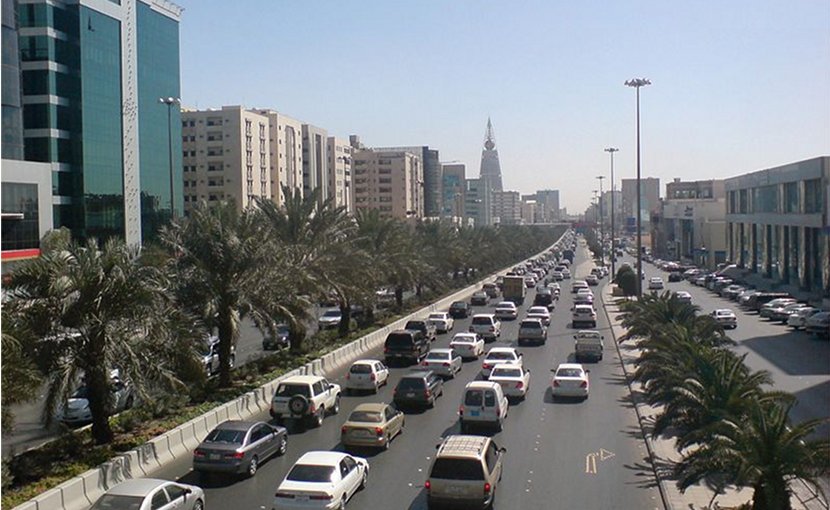
A new chapter in Bangladesh–Saudi Arabia labor relations has opened with the signing of a landmark agreement between the Saudi Minister of Human Resources, Eng. Ahmed Al-Rajhi and Bangladesh’s Expatriate Welfare Minister Dr. Asif Nazrul on October 6.
The deal establishes a formal framework for recruiting Bangladeshi general workers to Saudi Arabia while ensuring their rights, welfare, and contractual protection. Beyond addressing labor mobility, the accord reflects both nations’ intent to deepen economic cooperation, expand employment opportunities for skilled Bangladeshis, and strengthen a partnership built on shared development goals. If implemented effectively, this deal can become a model for Bangladesh’s future labour diplomacy—anchored in protection, skills, and sustainable cooperation.
Bangladeshi labour market in Saudi Arabia
The main destinations of Bangladeshi workers are Saudi Arabia, Kuwait, the United Arab Emirates, Qatar, Malaysia, and Bahrain. Currently, the most significant number of Bangladeshis work in Saudi Arabia, an oil-rich country in the Middle East. Since its independence, Saudi Arabia has become the top destination for Bangladeshi migrant workers. Between 1973 and 2023, Bangladesh exported a total of 4.756 million migrant workers to Saudi Arabia, which is nearly equal to the number of migrant workers exported to the labour markets of 34 other countries.
Even in 2020, when most of the labour markets were closed due to the pandemic, Saudi Arabia employed 1.61 lakh Bangladeshi workers. Saudi Arabia is undertaking several megaprojects as part of its ‘Vision 2030’ initiative, creating significant employment opportunities in its labor market for migrant-origin countries, such as Bangladesh. Additionally, the country will host the FIFA World Cup 2034. In this context, Saudi Arabia has expressed interest in recruiting more workers from Bangladesh in the future to meet the labour demands of these new projects.
The signing of Bangladesh and Saudi Arabia’s first-ever general labour recruitment agreement marks a transformative step toward a fairer and more accountable migration system. For nearly five decades, Bangladeshi workers have powered Saudi Arabia’s economy without a comprehensive framework to ensure their rights and welfare.
This new accord changes that—introducing standardized contracts, stronger oversight, and joint monitoring to curb exploitation. By institutionalizing fair hiring practices, enhancing skill development, and promoting employer accountability, the agreement not only safeguards workers but also elevates Bangladesh’s position as a trusted source of skilled labor. More broadly, it signals a maturing bilateral partnership—one shifting from transactional labour export to strategic cooperation rooted in shared prosperity and mutual respect.
As the largest employer of Bangladeshi workers, Saudi Arabia benefits from their contributions to its economy. At the same time, these migrants also play a crucial role in Bangladesh’s economic and national development. Currently, about 3 million Bangladeshis are working in Saudi Arabia, with the majority employed in construction, cleaning, manufacturing, domestic work, and other service sectors. In the financial year 2022, remittances from Saudi Arabia were $4.54 billion, and $3.77 billion in 2023. Still, remittances in the immediate past financial year were only $2.74 billion. Earlier, the Saudi Ambassador to Bangladesh, Essa Yousef Essa Al Duhailan, spoke about projects under the ‘Vision 2030’ initiative and expressed interest in hiring more skilled and trained workers to implement the mega projects.
Saudi labour market prospects & challenges
Saudi Arabia’s ambitious NEOM project, announced in 2017 as part of Vision 2030, represents one of the world’s most transformative development ventures, aiming to diversify the kingdom’s economy beyond oil. Spanning over 26,000 square kilometres and costing more than USD $1 trillion, NEOM and its subprojects, such as The Line and Trojena, promise vast employment opportunities across various industries, including construction, logistics, and technology. For Bangladesh, this presents both a challenge and a chance. With millions of skilled and semi-skilled workers, Bangladesh could play a key role in supplying the labour force needed to drive Saudi Arabia’s mega projects.
However, seizing this opportunity demands swift and strategic preparation. Government ministries and agencies must strengthen coordination, upgrade their training systems, and negotiate new agreements with Saudi authorities to ensure a steady and well-regulated flow of skilled workers. At the same time, Bangladesh’s private sector should actively pursue collaborations with Saudi firms involved in implementing Vision 2030. Proactive engagement—anchored in skill development, institutional readiness, and migrant diplomacy—can position Bangladesh as a vital partner in Saudi Arabia’s transformative journey while securing new pathways for national economic growth.
Despite the new labour recruitment agreement with Saudi Arabia opening significant opportunities, Bangladesh faces several persistent challenges in maximizing its foreign employment potential. A key issue is the lack of formal certification among many skilled workers, especially returnees who have gained practical experience abroad but lack official recognition. The absence of a comprehensive database of skilled labor further hinders the effective deployment of personnel to overseas projects. Structural problems such as visa trading, high recruitment costs, and brokering syndicates in both countries continue to inflate migration expenses.
Additionally, high Iqama renewal fees, difficulties in extending visas, and premature worker returns have created economic strain for migrants and their families. Most concerning is the increasing number of worker deaths in Saudi Arabia, often linked to poor working conditions and limited healthcare access—underscoring the urgent need for stronger labour governance, worker protection, and systematic management reforms.
As Saudi Arabia aspires to showcase its global stature by hosting major events like the World Cup and Asian Games, ensuring the safety and dignity of migrant workers must be central to its development agenda. The tragic example of Qatar’s World Cup—where reports of hundreds of worker deaths sparked global outrage—should serve as a cautionary lesson. To avoid similar criticism, Saudi authorities must enforce stringent labour safety standards and healthcare provisions for the migrant workforce driving its mega projects.
At the same time, Bangladesh must strengthen its own institutional capacity to protect its workers abroad. Expanding the embassy’s role with medical and legal support teams, negotiating reductions in Iqama fees, and establishing stronger coordination with Saudi ministries are crucial steps. Furthermore, a comprehensive, demand-based workforce export policy is needed to send skilled workers, optimize remittance earnings, and minimize worker exploitation. By prioritizing migrant-friendly diplomacy and safeguarding labour rights, Bangladesh can both enhance its global standing and drive sustainable economic growth through secure, efficient, and dignified overseas employment.