
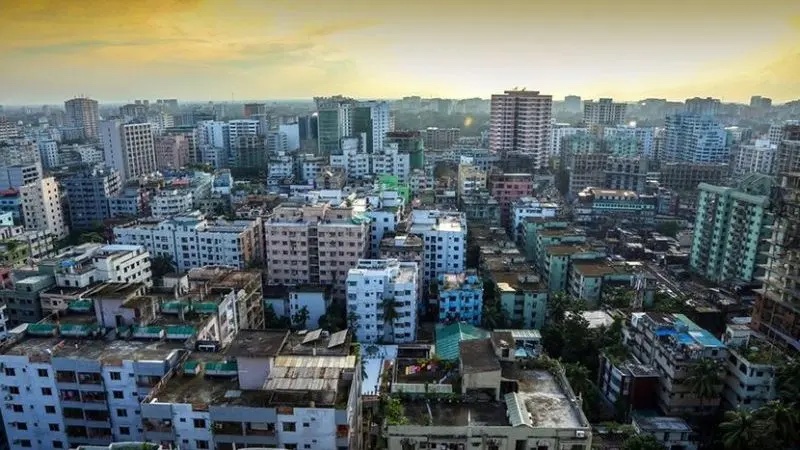
Bangladesh has entered a very different economic and political phase. Some may say the most notable aspect of this—is the fall of the previous government through mass upheaval and the rise of the interim government in 2024, which has brought the country to a critical crossroads.
Along with this, aspirations for political reforms and credible elections remain at the heart of ongoing debates. But an equally urgent priority is sustaining economic resilience at the country’s basic family and community level. Without minimum stability in household economies, no amount of macro-level progress—whether in foreign reserves, debt management, or GDP growth—can prevent the social fabric from unraveling.
For nearly three decades leading up to 2020, Bangladesh made steady progress in poverty reduction. Yet, recent research by the Power and Participation Research Centre (PPRC), conducted with the support of the Ministry of Finance, reveals a worrying reversal. The study found that by mid-2025, 28 percent of the population had fallen below the poverty line—up from 18.7 percent in 2022. More than 47 million people are now poor, while another 18 percent of families live on the edge, at risk of slipping into poverty at any crisis.
Extreme poverty has also surged to 9.35 percent, compared to 5.6 percent just three years earlier. The causes are well-documented: the lingering impact of COVID-19, high inflation, and persistent political-economic uncertainty.
Urban Strain and Shrinking Middle-Class Incomes
The picture in urban centers is especially grim. Between 2022 and 2025, average monthly income for city households fell from 45,578 BDT to 40,578 BDT, while average expenses climbed to 44,961 BDT. Families are spending more than they earn, leaving no cushion against shocks. By contrast, rural incomes have grown modestly, but not enough to offset the broader national strain. Nationally, the average household income now stands at 32,685 BDT per month, while expenses are nearly identical at 32,615 BDT—leaving savings at a symbolic 70 BDT. Most alarmingly, 55 percent of household spending goes toward food, squeezing out resources for health, education, and shelter.
This is the everyday reality behind the macroeconomic headlines. The middle class, often the backbone of resilience during national crises, is now stretched thin. They cannot easily move down the social ladder to small informal businesses without stigma, nor do existing institutions provide them with opportunities to thrive. As a result, they remain stuck in what can be called a cycle of presentable poverty—outwardly respectable, but financially fragile within.
Structural Weaknesses behind Household Fragility
Bangladesh’s household-level economic fragility is rooted in structural and institutional weaknesses that have long been known but rarely addressed. The economy remains heavily dependent on readymade garments and remittances, leaving it exposed to global shocks. Corruption and weak governance persist, with limited transparency and accountability in public institutions undermining trust and draining resources. Compared to peer economies, Bangladesh struggles to attract meaningful foreign direct investment because of policy unpredictability and bureaucratic barriers, keeping it less integrated into global markets. Education and healthcare continue to be underfunded, producing graduates unfit for the labor market while households are burdened with rising medical costs. Social protection schemes remain misaligned, with nearly 17 percent of beneficiaries not poor and many vulnerable excluded. Around 38 percent of workers are underemployed, with fresh graduates particularly frustrated.
Political Economy and Syndicate-Driven Inflation
At the macro level, the government has occasionally succeeded in boosting reserves or temporarily controlling inflation. Yet these efforts are not sustainable. Foreign debt continues to climb. Inflation often subsides briefly, only to rise again due to syndicate-driven manipulation of essential goods. This cycle undermines public confidence and pushes families deeper into hardship.
The problem is not only technical but political. Powerful networks benefit from price manipulation, while weak enforcement and regulatory capture prevent durable reforms. As law enforcement itself faces allegations of politicization and inefficiency, the ordinary citizen pays the price in higher living costs and reduced security.
The Social Consequences of Household Insecurity
Economic fragility at the family level is not just about money—it fuels broader social instability. Rising costs of living, joblessness, and shrinking opportunities for the young contribute to frustration and anger. Urban families struggling to balance budgets, coupled with rural households vulnerable to food insecurity, create fertile ground for social unrest.
Food insecurity, in particular, has grown more visible. PPRC data showed some of the poorest families skip entire meals weekly or monthly. Healthcare burdens are rising too, with 51 percent of families reporting at least one member suffering from chronic diseases like diabetes or hypertension—conditions that force households into debt for treatment.
When families are financially insecure, law enforcement problems worsen. Petty crimes, corruption, and even unrest find breeding ground. Thus, sustaining economic resilience at the community level is not only an economic agenda but also a security imperative.
The Way Forward in Building Resilience
For Bangladesh, building resilience at the community level means ensuring that families can absorb shocks, adapt, and recover without falling deeper into poverty. This requires a set of interlinked policies: generating stable incomes through job creation and fair wages; keeping prices of essentials predictable; expanding access to healthcare and education to ease household burdens; and redesigning social protection schemes so that the truly vulnerable—not political insiders or the undeserving—are covered. Crucially, the middle class must be given room to invest, innovate, and prosper, rather than languishing as “presentable but fragile.” Bangladesh’s middle class has historically been the driver of resilience—from the Liberation War to democratic movements to economic modernization. Yet today, this very group finds itself at a crossroads, trapped between internal and external constraints. Internally, cultural norms and social pride prevent many from engaging in small informal trades or fallback survival strategies, while externally, they lack institutional pathways such as affordable credit, entrepreneurship support, or transparent job markets to secure their standing. This paradox leaves them in a fragile position: neither poor enough to qualify for social safety nets nor wealthy enough to withstand inflationary shocks. Their vulnerability exposes a broader truth—that the strength of a nation’s resilience lies not in its reserves or GDP figures but in the everyday stability of households and communities.
Recommendations: Building Household-Level Resilience
To move beyond rhetoric, both the current interim government and the next elected authority must put household-level economic resilience at the core of their agenda. The middle-class now finds them stretched thin, squeezed by inflation and stripped of institutional support. At the same time, the poorest families face the daily risk of hunger, untreated illness, and declining incomes. In this reality, resilience cannot be reduced only to foreign reserves or GDP growth; it must begin at the level of families and communities.
The immediate priority is tackling inflation. Syndicate control over essential commodities needs to be dismantled through transparent supply chains, stronger regulatory bodies, and consumer protection. Without stabilizing food and energy costs, household fragility will only deepen. Alongside this, social protection must be revamped to ensure coverage for genuinely vulnerable families. Current programs allow nearly 17 percent of non-poor households to benefit, while excluding many at risk. Middle-class groups suffering sudden health or job shocks also require protection, so that resilience does not exclude the very people expected to anchor it.
Youth unemployment is substantial and an urgent challenge. Education must be aligned with market demand; therefore need to expand vocational training, and to create entry-level opportunities for graduates claim high demand from both private enterprises as well as government. Education reform requires a thorough process and it must go beyond degrees, focusing instead on skill-based, practical curricula that prepare young people for productive work rather than underemployment.
Healthcare remains one of the heaviest household burdens. Community-based health insurance or subsidies for long-term treatment could reduce debt and ease insecurity.
Ultimately, political reform and credible elections remain vital, but they must proceed hand in hand with economic stabilization at the grassroots. Bangladesh’s strategic location also offers an opportunity: deeper integration into regional supply chains could attract foreign investment and buffer against global shocks. Most notably, without protecting families and communities, macroeconomic progress will remain fragile and unrest will grow. The path forward demands courage: breaking entrenched syndicates, reforming institutions, and placing citizens—not just numbers—at the heart of economic planning. Only then can Bangladesh sustain both short-term resilience and long-term growth.