


Tulip Siddiq MP has been sentenced to two years in prison in Bangladesh after being put on trial in absentia over corruption allegations.
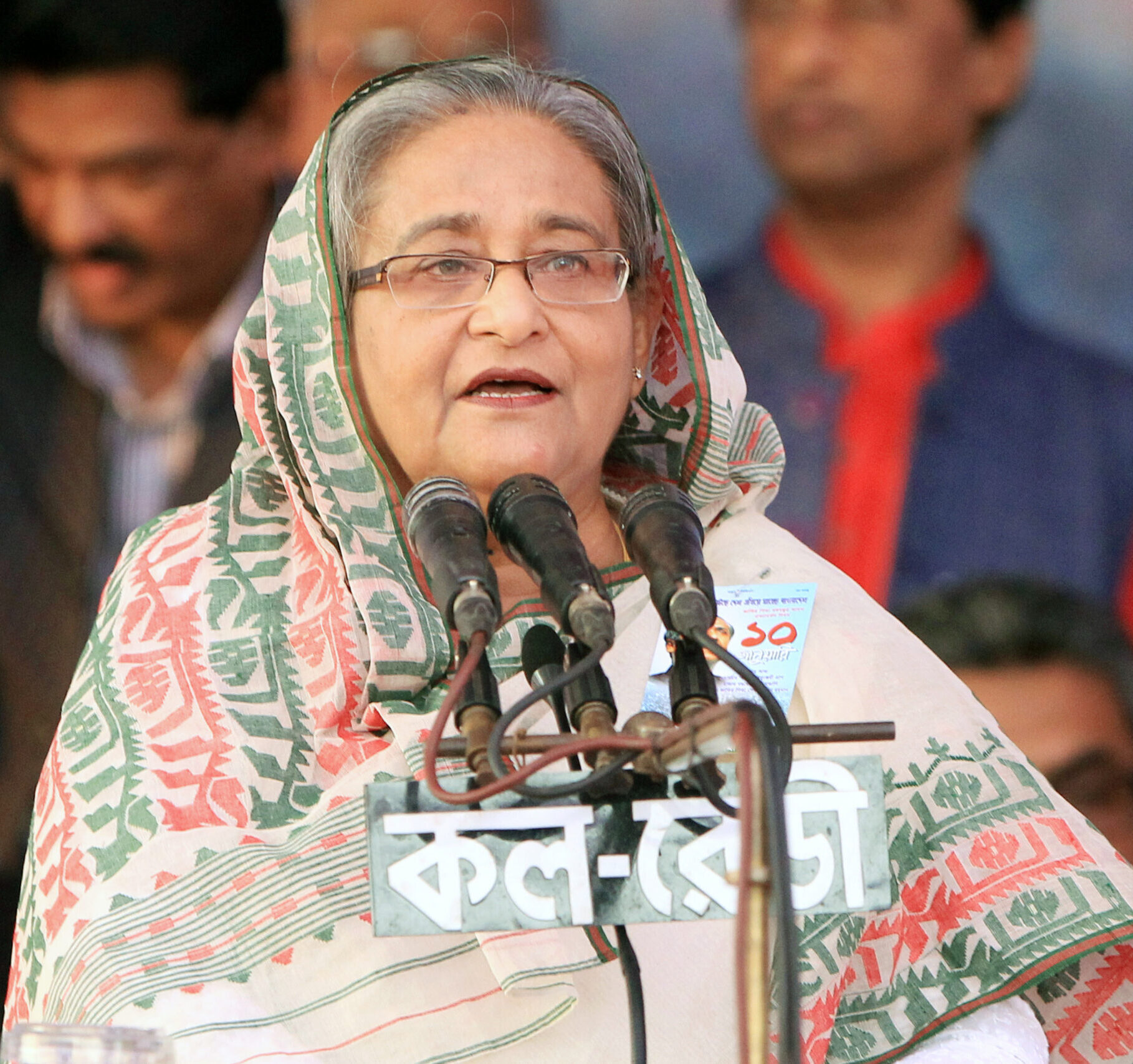
She was found guilty of influencing her aunt, Bangladesh’s ousted prime minister Sheikh Hasina, to secure a plot of land for her family in the outskirts of the capital Dhaka, a claim she strongly denies.
Siddiq was sentenced by Judge Rabiul Alam to two years in prison and a 100,000 Bangladeshi Taka fine ($821; £620). If she fails to pay, six months will be added to the sentence.
Siddiq, who is based in London, is unlikely to serve the sentence.
Court documents included claims that Siddiq “forced and influenced her aunt and the former Prime Minister Sheikh Hasina using her special power to secure [a plot of land] for her mother Rehana Siddiq, sister Azmina Siddiq and brother Radwan Siddiq.”
A prosecutor for Bangladesh’s Anti-Corruption Commission (ACC) previously said Siddiq was tried as a Bangladeshi citizen but Siddiq’s lawyers have disputed this.
Siddiq previously said: “I have been clear from the outset that I have done nothing wrong and will respond to any credible evidence that is presented to me. Continuing to smear my name to score political points is both baseless and damaging.”
Subscribe to our newsletter and stay updated on the latest news and updates from around the Muslim world!
She has not commented publicly since the verdict was delivered.
The verdict comes two weeks after Hasina was sentenced to death in a separate trial over her role in a brutal crackdown against the protests which ultimately forced her from office in July 2024.
She was found guilty of crimes against humanity over the deaths of an estimated 1,400 people at the hands of the police.
That trial was held in Hasina’s absence, as she has been in exile in India since being ousted. She denied the charges.
Siddiq, whose mother is the former prime minister’s sister, continues to face a number of outstanding charges in Bangladesh, including two ongoing trials in relation to the allegations at the centre of Monday’s verdict.
She is also being investigated over the alleged transfer of a flat located in a lucrative area of Dhaka to her sister.
Siddiq and her family have also been investigated in relation to allegations of embezzlement around a £3.9bn deal in 2013 connected to a Russian-funded nuclear power plant deal.
Siddiq has repeatedly denied wrongdoing in relation to the allegations.
Who is Tulip Siddiq?
Tulip Siddiq, 43, comes from a prominent Bangladeshi political family: her mother is Sheikh Rehana, which makes her the niece of Sheikh Hasina, the long-time former prime minister of Bangladesh, and the granddaughter of Sheikh Mujibur Rahman, a founding figure of the Bangladeshi state.
She grew up between the UK and Bangladesh, later studying English Literature at University College London and completing a master’s degree at King’s College London. Although she has Muslim heritage, she has described herself as British-Bangladeshi and “more cultural than religious.”
Siddiq joined the Labour Party at sixteen. Before entering Parliament, she worked in several non-profit and public-sector roles, including at Amnesty International and Save the Children, and went on to serve as a councillor in Camden from 2010 to 2014, becoming the first female Bangladeshi councillor in the borough.
She entered national politics in 2015 as MP for Hampstead and Kilburn, later representing Hampstead and Highgate after boundary changes.
When Labour returned to government in 2024, Siddiq was appointed Economic Secretary to the Treasury and City Minister, taking responsibility for financial-services policy.
Her ministerial career was short-lived. In January 2025 she resigned amid growing scrutiny over connections linked to her extended family in Bangladesh, including questions about properties in London associated with figures close to her aunt’s former administration.
An investigation by the UK’s independent adviser on ministerial standards found no breach of the ministerial code but concluded that Siddiq had not adequately accounted for the reputational risks of her familial ties.
She denied wrongdoing but said remaining in office would be a distraction.
