
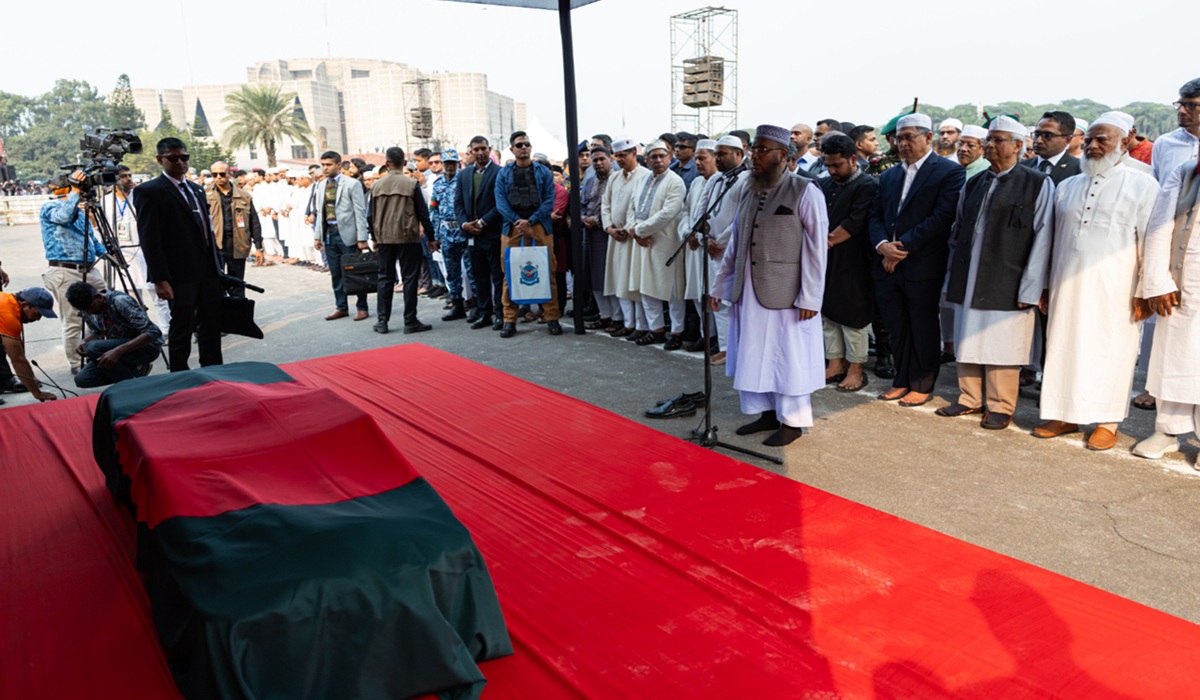
Bangladesh stands at a critical juncture. The recent killing of student leader Sharif Osman Hadi has exposed deep structural weaknesses in the political system and signaled a broader crisis in which democratic norms are eroding and the gap between citizens and the state is widening. Hadi’s death reflects the frustration of a younger generation that sees limited avenues to participate meaningfully in national decision-making. His murder has become a catalyst for nationwide reflection on the future of democracy in Bangladesh.
For decades, Bangladeshi politics has been dominated by the intense rivalry between the Awami League (AL) and the Bangladesh Nationalist Party (BNP). What began as healthy competition has devolved into deep polarization, leaving little room for compromise. Elections, ideally mechanisms for peaceful political change, have often been marred by allegations of vote rigging, voter intimidation, and selective use of state power, eroding public confidence. When citizens lose faith in elections, protests, strikes, and street mobilization become inevitable. Hadi represented a generation increasingly disillusioned with centralized power and limited political freedoms.
Political institutions meant to safeguard democracy appear vulnerable to partisan influence. During Prime Minister Sheikh Hasina Wajed’s tenure, the judiciary and law enforcement agencies have frequently been perceived as instruments of political expediency rather than impartial defenders of the constitution. Following Hadi’s killing, reports implicating domestic and regional actors—including supporters of India and political rivals—highlight historical grievances. Whether substantiated or not, these suspicions risk escalating internal crises into regional tensions, threatening stability across South Asia.
The root causes of instability are multifaceted. Political polarization, youth disenfranchisement, lack of electoral transparency, and restrictions on media freedom have created a volatile environment. Decades of adversarial politics have normalized hostility between the two major parties, often prioritizing partisan gains over national interest. This leaves little space for dialogue, negotiation, or reconciliation.
Bangladesh’s population is overwhelmingly young, with nearly two-thirds under 30. Many are educated but face unemployment or underemployment. Limited economic opportunities, coupled with political marginalization, generate frustration and hopelessness. When youth feel their voices cannot influence political outcomes, they often channel energy into protests or radical activism. Allegations of electoral fraud deepen disillusionment, making instability self-perpetuating.
Media freedoms, long considered a check on government power, have come under strain. Attacks on journalists and restrictions on independent reporting weaken public access to accurate information. When the media is constrained, rumors, conspiracies, and misinformation thrive, escalating social unrest. Protecting press freedom is crucial not only for democracy but also for social cohesion and public trust in governance.
Economic factors intersect with political instability. Bangladesh’s economy has grown in garments, remittances, and exports, yet this growth is fragile. Political uncertainty can disrupt trade, deter foreign investment, and undermine labor markets. Youth unemployment, already a pressing concern, could worsen, fueling protests or social unrest.
Left unaddressed, this cycle of instability could have long-term consequences for Bangladesh’s social and economic development. Regional implications are also significant. Rising instability could affect India’s Siliguri Corridor, the narrow link connecting India’s northeastern states to the rest of the country, posing strategic and logistical challenges. Bilateral relations between India and Bangladesh could deteriorate further, affecting trade, diplomacy, and cross-border security. Regional organizations such as SAARC may feel the ripple effects if unrest escalates into broader security or humanitarian crises.
Political instability could also empower extremist groups seeking to exploit governance gaps, disrupting infrastructure and economic projects, and further hindering regional integration and foreign investment. Prolonged instability may weaken Bangladesh’s federal structures, political discourse, and democratic governance models, creating systemic vulnerabilities that could take years to repair. Restoring stability requires a multi-pronged approach. Immediate, transparent, and independent investigations into Hadi’s killing are critical to rebuild public trust. Electoral reforms must ensure a neutral election commission, safeguard opposition rights, and prevent vote manipulation.
Dialogue between ruling and opposition parties, grounded in mutual respect and national interest, can reduce polarization and foster compromise. Protecting press freedom, ensuring transparency in governance, and empowering youth to participate in politics are equally vital. Expanding education, job opportunities, and avenues for upward mobility can channel young energy toward constructive national development rather than frustration and unrest.
Sharif Osman Hadi’s death marks a decisive moment in Bangladesh’s political history. The nation faces a clear choice: continue down a path of deepening political divisions or embrace reforms, accountability, and democratic renewal. National institutions, political leaders, and civil society must prioritize the country’s stability over narrow party interests. Only then can Bangladesh restore public confidence, strengthen democratic norms, and break the cycle of instability.
The crisis in Bangladesh is not merely domestic; it carries political, economic, and regional consequences. It underscores the urgent need for inclusive governance, respect for democratic principles, protection of civil liberties, and meaningful engagement with the country’s youth. Sustained commitment to these goals can help Bangladesh navigate this critical moment, preserve democratic institutions, and secure a stable, prosperous future. Sharif Osman Hadi’s murder is a stark reminder that political violence cannot be tolerated if democracy is to survive. Bangladesh’s leaders must rise above partisan interests, embrace dialogue, and create an environment where every citizen, especially the youth, feels empowered to contribute to nation-building. Decisions taken today will determine whether Bangladesh moves toward democratic consolidation or further political fragmentation in the years to come.