
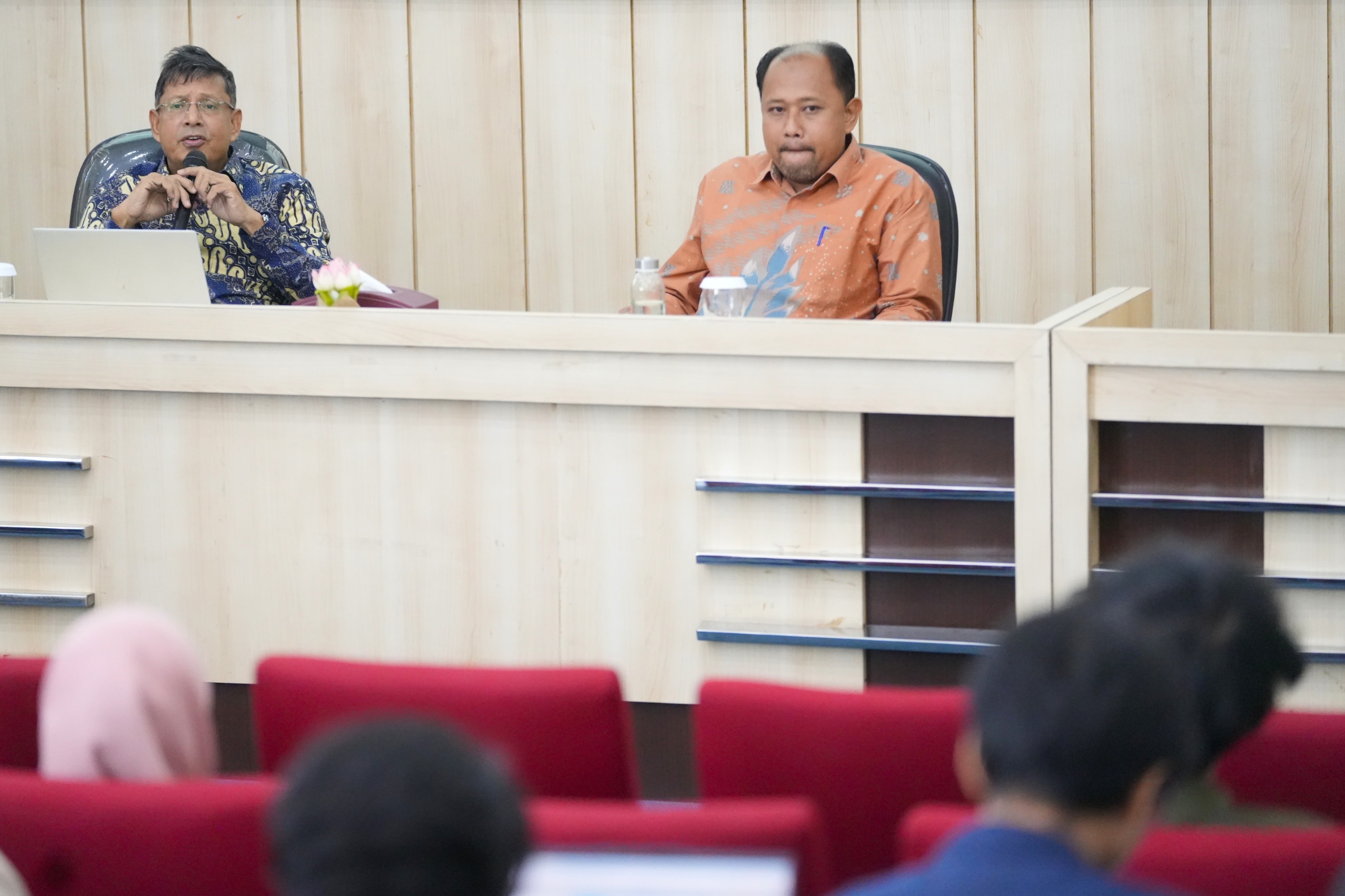
Indonesia’s Sectoral Economic Cooperation – Bangladesh’s Ambassador to Indonesia, Md. Tarikul Islam, emphasized the importance of strengthening sectoral economic cooperation with Indonesia as a key pillar of bilateral relations between the two countries. He made this statement during a guest lecture held by the International Relations Department of Universitas Muhammadiyah Yogyakarta (UMY) on Wednesday (December 24).
Tarikul Islam explained that the Indonesia-Bangladesh economic relationship continues to grow, but still holds great potential that has not been fully maximized, especially in the energy, agriculture, industry, and connectivity sectors.
“Economic cooperation is a key focus of bilateral relations between Bangladesh and Indonesia. We see many concrete opportunities that can be developed for the common good,” he said to UMY students.
One of the sectors highlighted was energy and electricity. According to Tarikul Islam, Bangladesh and Indonesia have established a joint working group on energy and electricity to strengthen collaboration, ranging from energy infrastructure development and renewable energy utilization to oil and gas exploration cooperation.
In addition to energy, agriculture and food security are also strategic sectors in the relationship between the two countries. Cooperation has also been established in food industry development, food safety, and knowledge exchange in agricultural regulations and technology. This collaboration is considered crucial for addressing global challenges related to food and sustainability.
See also:Bangladesh Views Indonesia as a Strategic Partner Towards ASEAN Integration
Tarikul Islam also highlighted the imbalance in the trade balance between Bangladesh and Indonesia. Currently, Bangladesh’s imports from Indonesia are worth around $3,5 billion, while Bangladesh’s exports to Indonesia remain in the range of $100-200 million.
“We recognize the presence of a trade imbalance. Therefore, Bangladesh is encouraging discussions on a Preferential Trade Agreement as an instrument to expand market access and encourage more balanced trade,” he explained.
According to him, Bangladesh has export potential that can be developed in the Indonesian market, ranging from garments, pharmaceuticals, household textiles, to leather and jute-based products. However, optimizing this potential requires a more conducive trade cooperation framework.
The importance of strengthening investment value was also highlighted in trade cooperation. Tarikul Islam cited the growing interest of Indonesian companies in investing in Bangladesh as a positive sign of economic relations between the two countries. Several Indonesian companies have relocated or expanded their operations in Bangladesh, particularly in the retail, manufacturing, and energy sectors.
Through this academic forum, Tarikul Islam emphasized that bilateral economic relations are built not only through government-to-government agreements but also through open dialogue with academics and students as part of inclusive economic diplomacy. (ID)