
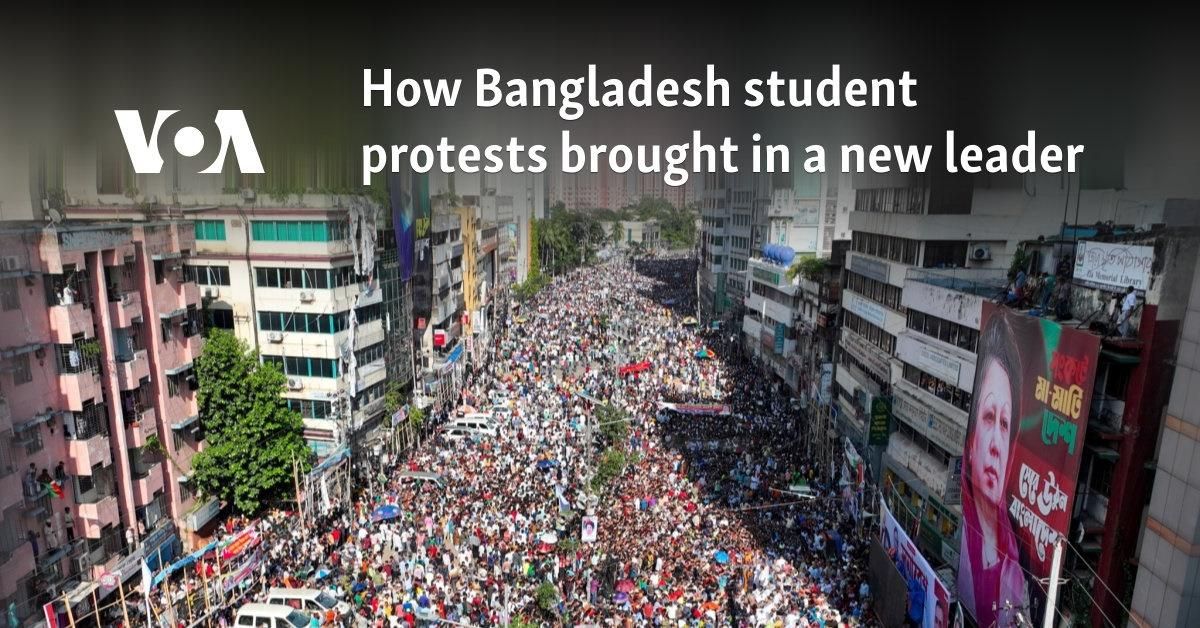
Standing shoulder to shoulder, young people across Bangladesh have been making their voices heard like never before. Flooded with anger over governmental corruption and injustice, they launched protests demanding the resignation of long-time Prime Minister Sheikh Hasina. This movement, driven by university students, is garnering traction and reshaping the political scenery of the nation.
The spark for these protests can be traced back to the tragic death of Mugdho, who became a symbol of the movement. On July 18, 2024, this 25-year-old university student was caught up in the chaos of protests demanding justice against the existing job quota system for government employment. While handing out water to fellow protesters, Mugdho was tragically shot, his life cut short merely 15 minutes after the video capturing his charitable actions went viral online. This heart-wrenching moment galvanized public support and brought many more to the streets—people who had previously stood on the sidelines.
What initially began as peaceful protests quickly spiraled out of control, leading to widespread violence and fatalities. According to reports, over 300 people died during clashes with authorities, reflecting the extreme tension and desperation within the populace. Authorities responded to the protests with tear gas and rubber bullets, demonstrating the seriousness of the situation and the government’s resolve to quell dissent.
Yet, the unwavering resolve of those protesting resulted not just in unrest but also significant political change. Amid growing unrest, Sheikh Hasina was forced to resign, paving the way for potential reforms and new leadership. Following her resignation, optimism filled the air as many citizens expressed hope for what might come next for Bangladesh. “For the first time, I really believe we can create the change we want,” said one student activist, echoing the sentiments across Dhaka.
The political fallout didn’t stop with Hasina’s exit—governmental shake-ups were immediate. On August 10, 2024, Bangladesh’s chief justice and central bank chief stepped down from their posts under the pressure of the escalating protests. “Our fight for justice extends beyond just one person, it’s about ensuring our institutions aren’t compromised by corruption,” stated another student during the protest.
Throughout this tumultuous period, social media played a pivotal role as protesters utilized platforms to coordinate efforts, share their messages, and spread awareness of their cause. The hashtag #JusticeForMugdho sparked conversations well beyond the country’s borders, drawing international eyes to Bangladesh’s political crisis. Many activists noted, “It’s not just about protests; it’s about creating lasting change. The youth are standing for their future with more courage than we’ve ever seen.”
Alarming though the circumstances may be, many believe this generation’s defiance against the status quo signifies the onset of necessary reforms. The protests have snowballed, tackling age-old issues like government job inequalities targeted at children of war heroes—changes previously considered unapproachable. The recent judicial decision changing job quotas for civil services has also stirred the pot, igniting fervent discussions about equality and representation.
The public sentiment echoes the need for greater accountability from elected officials. The protests aim not only at demanding improved governance but also at breaking the longstanding hold of entrenched political dynasties on Bangladesh’s leadership. “We can no longer ignore the demands of the people. It’s time to listen and learn.” expressed one political analyst.
Young voices will continually press the NEED for accountability, ensuring their grievances are addressed as they march forward. There seems to be genuine hope and energy as interim leaders, including Nobel Laureate Muhammad Yunus, attempt to steer the country toward new and uncharted territories. Yunus, accepted widely for his contributions to social business, could help guide the nation out of its political turmoil. His role may well represent the bridge between old grievances and new aspirations.
For many Bangladeshis, this entire episode was not just about getting rid of Sheikh Hasina but was about something greater: their rights. Students know their clamor for justice does not end with the Prime Minister’s resignation. With broader objectives firmly set before them, they yearn for equal opportunities and empowerment.
Standing amid the chaotic backdrop of protests, students banded together, displaying strength and unity through their movements. The message is loud and clear—they are fed up with government corruption, unfair job programs, and broken promises. “This is our country, and we will keep fighting for its direction,” shouted one demonstrator, raising their fist toward the sky. Can this wave of student activism lead Bangladesh to brighter days? The eyes of the world remain fixed on the nation’s next steps.
Each day brings new challenges, and though some may falter, the spirit of these student-led protests exemplifies the unyielding determination of young hearts. The protests reflect not merely dissatisfaction but articulate hope for the transformation of Bangladesh. A question looms over the political horizon: Is the era of accountability upon Bangladesh, or merely the flame of change flickering? Time will tell, as this new generation marks its imprint firmly on the country’s future.
Give Feedback. How was this article?
You can help us improve by leaving feedback specific to
this content.
How would you rate the quality of this article?
Which of the following feelings did this article evoke in
you?
Multiple Selection
How easy was it for you to find the information you were
looking for in this article?
Super Hard😱
😎Super Easy
Artificial intelligence is increasingly used in content
creation. What percentage of this article do you estimate was generated by AI?
How can we improve this article (or our articles in
general)?
Do you have any other suggestions for improving our content
or
website?
Thanks for the feedback
Thank you for supporting us to improve ourselves with your
feedback.