
Interim govt to leave Bangladesh’s economy in a ‘satisfactory’ position: Dr Salehuddin
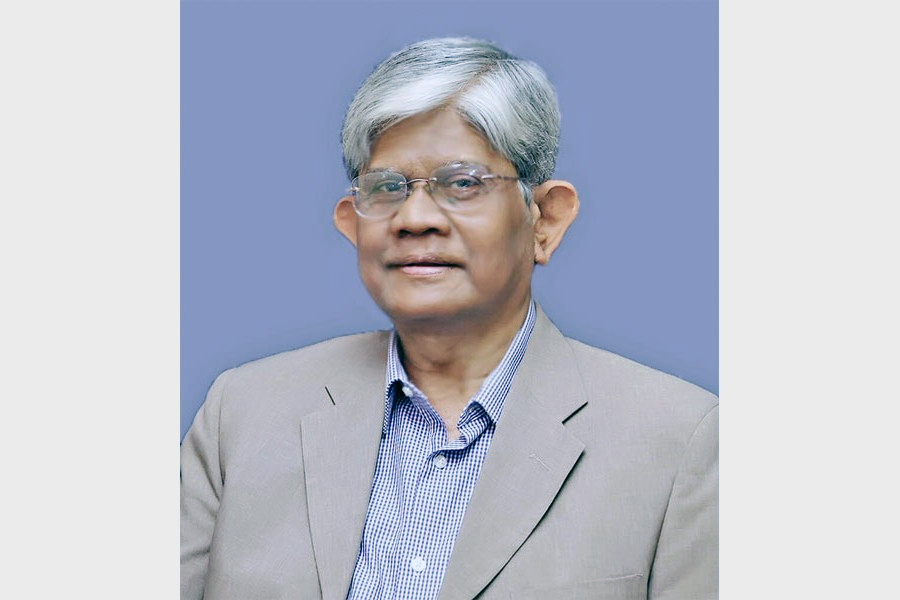
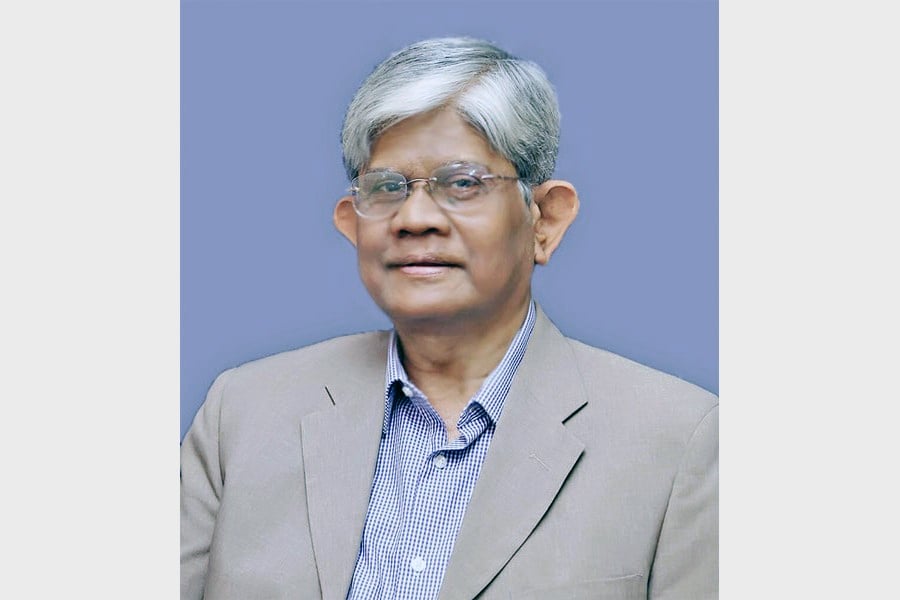
Finance Adviser Dr Salehuddin Ahmed -File photo
DHAKA, Feb 3, 2026 (BSS) – Finance Adviser Dr Salehuddin Ahmed today said the interim government would leave Bangladesh’s economy in a “satisfactory and stable” position for the next elected government.
“I believe we’re leaving the economy in a satisfactory place. The next government will not face major difficulties in continuing from here. The situation is stable now — not shaky like before,” he said.
Dr Salehuddin, however, acknowledged that significant challenges remain ahead.
The Finance Adviser was responding to the queries of reporters after chairing the 5th meeting of the Advisers Council Committee on Government Purchase held today at the Cabinet Division Conference Room at Bangladesh Secretariat.
He said the economy is no longer in a fragile or unstable condition, unlike previous periods, and that the foundations have been stabilised to allow future governments to move forward.
When asked whether the government had taken on record levels of debt, the Finance Adviser said while borrowings had increased, a substantial amount of external debt had also been repaid.
“Yes, borrowing increased, but we also repaid around six billion dollars in external debt. Debt repayment is equally important,” he said, adding that many large, expensive infrastructure projects were deliberately avoided.
“We didn’t go for costly mega projects like tunnels or projects worth thousands of crores through loans. That is why public debt pressure didn’t worsen further,” he said.
He admitted that employment generation remained one of the government’s biggest challenges, largely because job creation requires sustained support for small and medium industries.
“Our major challenge was employment generation. For that, small and medium enterprises are essential. But, we didn’t have enough fiscal space. Large factories are not labour-intensive, and they come with many complexities,” he explained.
Addressing concerns over contradictory statements about future economic risks, Dr Salehuddin clarified that while the economy is stable, reforms need to be consolidated and carried forward carefully.
“What we have done is not a one-off solution. To take it forward, it needs to be strengthened further. That itself is a big challenge,” he said, noting that access to concessional foreign aid has declined.
He stressed that reforms require time, cooperation and procedural discipline, which are often difficult in Bangladesh’s complex administrative system.
“Reform is not just about speeches. It requires process, cooperation and patience. Inside the system, procedures are extremely complicated. Without cooperation, it becomes very difficult,” he said.
Highlighting governance reforms, Dr Salehuddin Ahmed said the government has made significant progress in digitising land records and khatian maps, making services cheaper and more accessible to citizens.
“Porcha and land records are being digitised. Now people can get services for Taka 20 which earlier costs Taka 500. We are expanding digital access nationwide,” he said.
He described the initiative as one of the most fundamental service delivery reforms, reducing harassment and improving transparency.
Dr Salehuddin also confirmed that the government is preparing to face international arbitration over alleged financial disputes and money laundering allegations involving business interests linked to S Alam Group.
He said a case has been filed at the International Centre for Settlement of Investment Disputes (ICSID), a World Bank-affiliated arbitration body, following complaints lodged by the concerned party.
“They have gone for arbitration at the World Bank forum. We’ve received notice and must respond. This is a very serious matter involving a large amount of money,” he said.
The government has decided to engage international legal counsel to contest the case, he added.
“We will engage a legal firm. This is not a simple issue. Legal preparation is essential,” he said, though he declined to disclose the name of the firm at this stage.
A government team is expected to visit Washington, DC, to deal with the arbitration process, he said.
On power sector reforms, the Finance Adviser said electricity tariffs are being rationalised rather than increased arbitrarily.
“This is tariff restructuring, not a price hike. Money is being adjusted from one segment to another. It will not affect electricity supply,” he said, adding that efficiency issues at power plants such as Ashuganj are also under review.
Dr Salehuddin said despite criticism, many fundamental reforms had been undertaken, even if they were not always visible.
“People say nothing has been done because they only look for visible projects. But, many fundamental procedural reforms have taken place. If someone does not want to see, they will not see,” he remarked.