
The absence of the Awami League left a large, disenfranchised floating electorate. Their votes appear to have been divided between the BNP and the Jamaat, with the bulk going to the BNP. The new students’ party failed to gain traction.
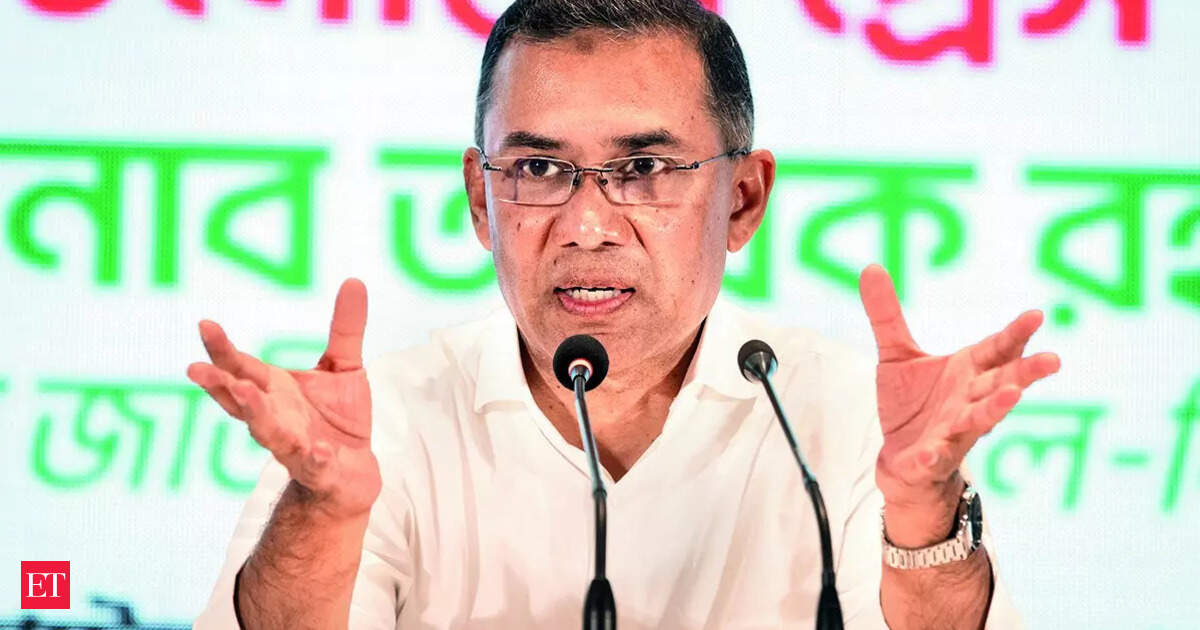
The BNP resumes office for the first time since 2006, now under the next generation of the Ziaur Rahman family. For Tareque Rahman, London-based and long in the political wilderness, the weight of history may weigh more heavily than the promise of the future. Even accounting for the glaring defect of the Awami League’s exclusion, the outcome is preferable to the dysfunction and mischief of recent months.
India’s initial response to the BNP victory contrasts sharply with its reaction to Yunus’s takeover. This appears to be deliberate. At the level of the Prime Minister, India has signalled its willingness to reset ties. The immediate priority should be to arrest the slide in relations, reopen high-level contacts and initiate a broad-based dialogue on issues of mutual concern.
India must demonstrate that it can work constructively with any government emerging from a constitutional process, as it has done with other neighbours. Bangladesh, for its part, will need to signal its intent to repair the damage to ties during the Yunus period.

The agenda is well known. Progress is possible without compromising the BNP’s nationalist posture. The principal beneficiaries of stable ties have been ordinary citizens, especially through enhanced cross-border mobility by road, rail, water and air. Restoration of full visa services by India would provide immediate relief. Trade, investment and economic exchanges could return to pre-2024 levels. Cultural, sports, media and medical linkages can be revived swiftly, as the institutional frameworks remain intact.
At the same time, the toxic narratives on both sides need to be dialled down. Issues on which Bangladesh feels aggrieved under the Hasina era can be addressed through open discussion. Both sides would do better to seek solutions rather than unilateral gains or rhetorical victories. Rebuilding trust and goodwill must be the central objective.A stabilised relationship would then allow movement on more complex issues – water-sharing and border management from Dhaka’s perspective, and security and minority concerns from New Delhi’s. Existing connectivity projects should be ring-fenced from further disruption, even as new ones are explored.
Both sides must remain alert to state and non-state spoilers with an interest in keeping tensions alive. Isolated incidents could easily be destabilising. With a 4,096-km border, disengagement is neither practical nor cost-free. The reality is not who needs whom more, but that both need each other.
The task will not be easy, particularly with the Jamaat positioned close behind the BNP. Yet that is no argument for inaction. Bangladesh has turned a page. The turbulence appears to have subsided. For now, the incoming Prime Minister deserves the benefit of the doubt.
The writer is former High Commissioner to Bangladesh