
A half-built flyover cuts across the sky in Dhaka, its concrete pillars reaching upward with an unfinished span. It was meant to connect, to ease traffic, move people, and signal progress. Instead, it hangs over the city like a reminder: starting something is easy, but finishing takes resolve. Bangladesh’s economic reform agenda mirrors this flyover. Promises were made, foundations laid, but the connection to lasting progress remains incomplete.
Today, reform is no longer optional. It is the difference between managing decline and engineering recovery. With a possible election ahead, a deeper question arises: will the next government have the clarity and courage to do what the last few could not?
 For all latest news, follow The Daily Star’s Google News channel.
 Bangladesh is under pressure from all sides. Exports are struggling under new global tariffs, private investment is shrinking, and growth has slowed to its lowest point in over a decade. The World Bank’s latest report outlines the toll: a drop in GDP, falling reserves, and rising inflation. This is not a temporary wobble. Without serious course correction, it could harden into long-term stagnation.
The interim government has taken some encouraging steps, such as separating tax policy from administration and tightening rules on insider lending. However, these moves are late, limited, and often reactive. Years of hesitation on energy pricing and VAT automation have left gaps that cannot be patched overnight.
The last elected government often signalled reform but rarely followed through. Banking sector cleanup was promised but deferred, tax reform was drafted but never executed at scale, and decisions that threatened short-term popularity were quietly shelved. Now, the cost of delay is visible in every economic indicator and felt in every household budget.
As a new mandate nears, many are placing hope in a more democratic setup. An elected government, the thinking goes, will have more space to act boldly. But democracy does not guarantee discipline. Winning votes and making tough decisions are very different skills. Elected leaders often pivot to appeasement, especially when the public demands relief over reform. That is the paradox. The people want change, but also stability; leaders want progress, but not protests. Reforms, especially structural ones, almost always start with discomfort before results.
There is no doubt the next administration will inherit a weak economy and a fatigued population. It must rebuild confidence not just in markets, but in the public mindset. That means clear communication, policy consistency, and a readiness to tackle long-avoided issues.
Where to begin? First, clean up the financial sector. Non-performing loans remain dangerously high, so regulators must enforce discipline and resist pressure. Second, broaden the tax base. Only a small portion of the population contributes directly, and loopholes persist for the powerful. Third, attract serious foreign investment. That requires a predictable regulatory environment and faster reforms to improve the ease of doing business.
All hope is not lost. Inflation has started to cool, and the taka has found some stability, but these are only small gains. They could vanish with a single external shock or domestic misstep. The window for action is narrow, but it is open.
No reform agenda survives without public backing. That means involving civil society, communicating trade-offs honestly, and building coalitions beyond party lines. Reform cannot be whispered in donor meetings and ignored on national TV. It must be part of the national conversation.
Bangladesh has reached an inflection point. The global economy is shifting, and the old playbook of remittances, low-cost exports, and state-led infrastructure will not be enough. The next government must write a new chapter, one grounded in institutions, not slogans.
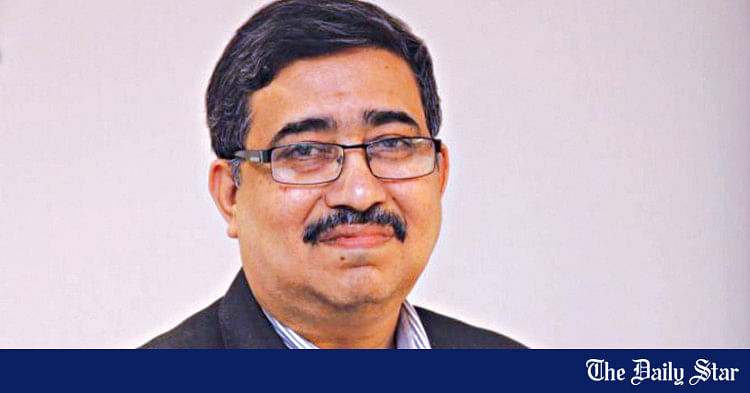
The writer is an economic analyst and chairman at Financial Excellence Ltd