
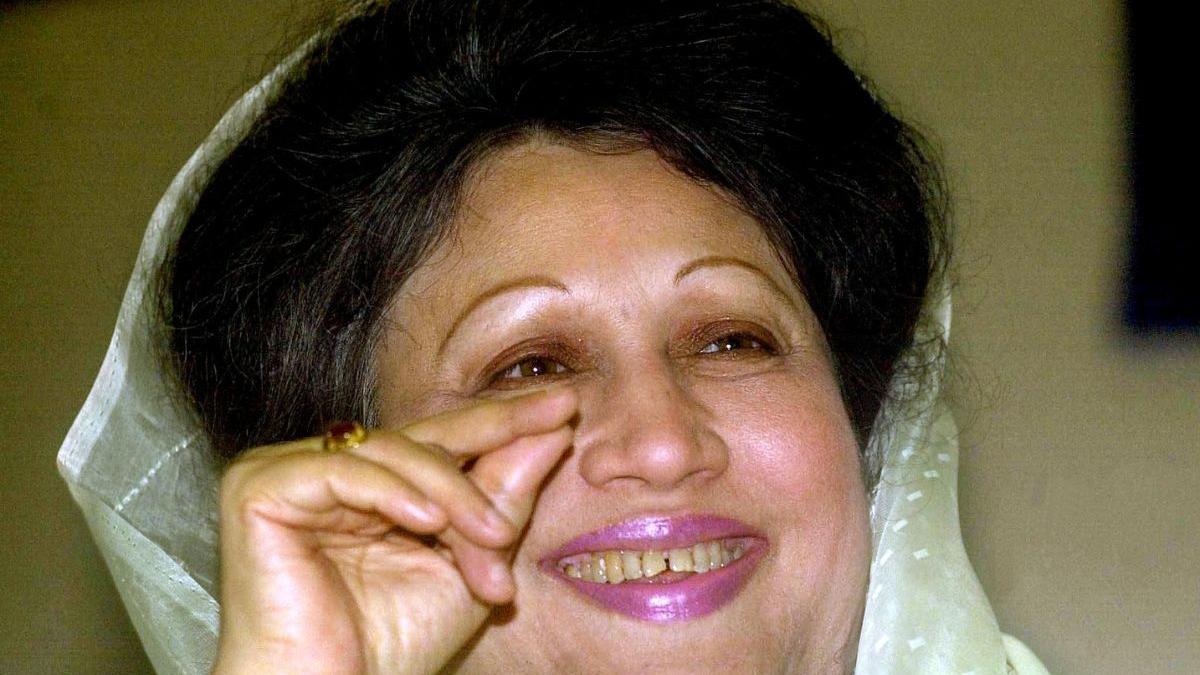
Khaleda Zia, Bangladesh’s first woman prime minister and a towering figure in South Asian politics, shaped the country’s modern political history through power, protest, prison and perseverance. Her death marks the end of a fiercely contested political era.
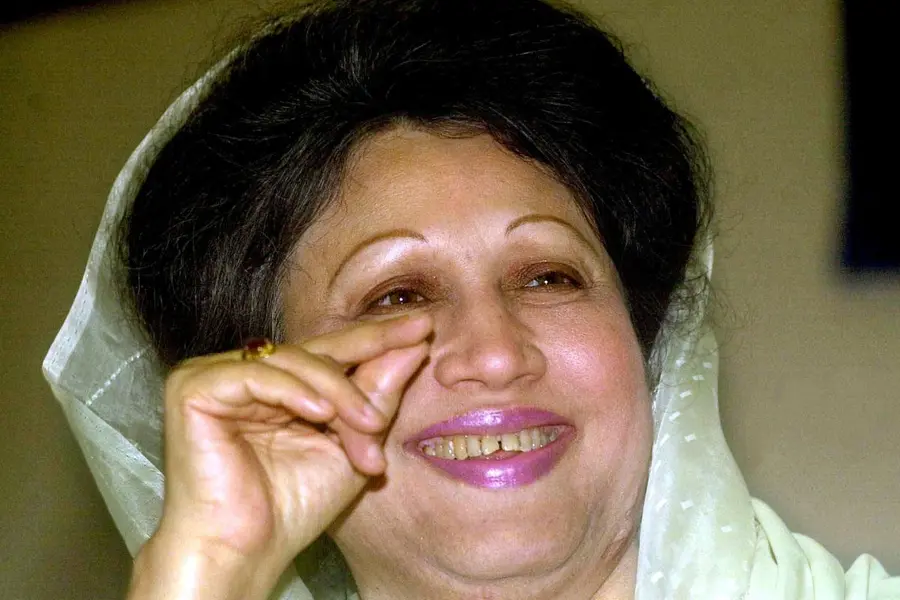
Khaleda Zia, the trailblasing Bangladeshi politician and the country’s first woman Prime Minister, has died at the age of 80, leaving behind a deeply complex and consequential legacy in South Asian politics.
Born on August 15, 1945, in Dinajpur, then part of British India (now Bangladesh), Zia emerged from relatively humble beginnings to become one of Bangladesh’s most influential political figures.
She studied at Surendranath College in Dinajpur before entering public life following personal tragedy — the assassination of her husband, President Ziaur Rahman, a decorated independence leader, in 1981.
After her husband’s death, Zia took over the leadership of the Bangladesh Nationalist Party (BNP), founded by Ziaur Rahman. Under her stewardship, the BNP became one of the two dominant political forces in Bangladesh.
She first became Prime Minister in 1991, ushering in a new parliamentary government and breaking ground as the first woman in Bangladesh — and second in the Muslim world — to lead a democratically elected government. She served two full terms, from 1991 to 1996 and from 2001 to 2006.
Her tenure was marked by efforts to stabilise Bangladesh’s economy and governance structures, but also by deep political polarisation — most notably her long-standing rivalry with Sheikh Hasina, leader of the rival Awami League.
That rivalry shaped national politics for decades, contributing to cycles of confrontation and upheaval.
Zia’s later years were beset by legal battles and serious health challenges. She faced corruption charges that led to imprisonment in 2018, though the Bangladesh Supreme Court acquitted her in 2025, clearing the way for a possible political comeback.
In late 2025, Zia’s health deteriorated sharply. She was hospitalised with a serious chest infection that affected her heart and lungs, and her condition had been described as extremely critical.
Her death comes at a pivotal moment: her eldest son, Tarique Rahman, recently returned from more than 17 years in self-imposed exile to assume leadership of the BNP as the nation prepares for crucial parliamentary elections.
Zia’s life mirrored Bangladesh’s turbulent political journey: A story of resilience, controversy, rivalry, and transformation. She is remembered as a pioneering female leader who reshaped her country’s political landscape.
Key Controversies And Turning Points in Khaleda Zia’s Political Life
- 1981: Entry into Politics After Assassination
Zia entered active politics following the assassination of her husband, President Ziaur Rahman, taking charge of the Bangladesh Nationalist Party (BNP) and transforming herself from a political outsider into a mass leader. - 1990–91: Fall of Military Rule, Rise to Power
She played a key role in the mass movement that led to the fall of military ruler HM Ershad, and went on to become Bangladesh’s first woman prime minister after the 1991 general elections. - 1996: Caretaker Government Crisis
Her first government collapsed amid violent protests and opposition boycotts demanding a neutral caretaker government system to oversee elections — a turning point that reshaped Bangladesh’s electoral process. - 2001–2006: Return to Power and Islamist Alliance Row
Zia returned as Prime Minister, heading a BNP-led coalition that included Jamaat-e-Islami, a decision that sparked domestic and international criticism over rising militancy and minority rights concerns. - 2007–08: Emergency Rule and Detention
During the military-backed caretaker government, Zia was detained and barred from politics, marking one of the darkest phases of her public life. - 2018: Conviction and Imprisonment
She was jailed in corruption cases linked to the Zia Orphanage Trust and Zia Charitable Trust, effectively removing her from active politics and triggering protests by BNP supporters. - Post-2018: Health Crisis and Political Isolation
Prolonged illness, legal restrictions, and house arrest kept her out of politics as power shifted decisively to the Awami League. - 2025: Legal Relief and Final Phase
With courts easing restrictions and her son Tarique Rahman re-emerging politically, Khaleda Zia’s death closes a chapter that defined decades of confrontation, leadership, and resistance in Bangladesh.
Subscribe to our Newsletter
Disclaimer: Kindly avoid objectionable, derogatory, unlawful and lewd comments, while responding to reports. Such comments are punishable under cyber laws. Please keep away from personal attacks. The opinions expressed here are the personal opinions of readers and not that of Mathrubhumi.