
ASIA/BANGLADESH – Political and social tensions as the country heads toward general elections
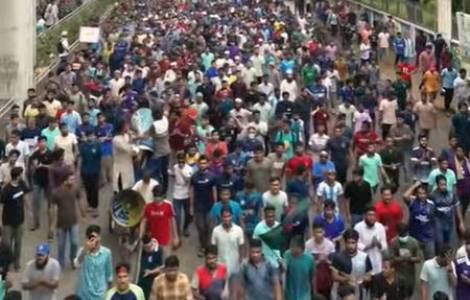
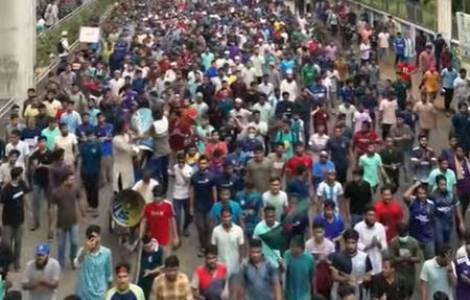
Dhaka (Agenzia Fides) – Clashes between supporters of political parties have once again created social instability in Bangladesh. Tensions have flared in recent days in the city of Gopalganj, south of Dhaka, where members of the Awami League, the party of former Prime Minister Sheikh Hasina, who has fled abroad, attacked the march of activists from the National Citizen Party, the student party that officially presented itself to voters in early 2025.
Following the clashes in Gopalganj, the government imposed a curfew to regain control of the situation, while four people died and 13 were injured in clashes with police.
Social tensions are flaring up again as the country nears the finish line of the next general elections, which the interim government Muhammad Yunus, after considerable domestic and international pressure, has announced will be held in April 2026.
Sheikh Hasina is currently in India and has been tried for the repression of protesters during the student protests that, in August 2024, brought an end to her 15-year rule. Hasina has been accused of ordering police to fire on protesters (there were numerous casualties), while the exiled leader maintains that the accusations against her are politically motivated.
Meanwhile, the Awami League has been banned in Bangladesh, pending the outcome of the trial. The party was barred from participating in the elections after the Election Commission suspended its registration. The measure has exacerbated social polarization and tensions.
Meanwhile, the consequences of the collapse of the industrial sector are being felt in the country, with a significant drop in foreign investment, steadily rising inflation, and ever-rising costs for basic goods. “A sense of frustration is growing among people, which could have repercussions in the voting process,” notes a local Fides source in the Catholic community.
In a country with 170 million inhabitants, the vast majority of whom are Muslim, Christians and other religious minorities have expressed concern about the return of radical Islamic parties to the political scene. Indeed, Bangladesh’s Supreme Court has overturned the ban on the country’s main Muslim party, which for more than ten years had been relegated to the margins of society by the government of former Prime Minister Sheikh Hasina. Jamaat-e-Islami will now be able to participate in the next general elections and is preparing to broaden its base of political consensus. The danger, highlighted especially by civil society organizations and associations, is the influence that Islamist parties could have on the country’s future government. Therefore, the interim government has been asked to complete the process of constitutional reforms before the elections, defining an institutional and legal framework based on the principles of democracy, pluralism, and equality. (PA) (Agenzia Fides, 19/7/2025)
Share: