
In the 21st century, two major forces are shaping the future of human settlements. The first one is climate change, and the next one is rapid urban growth. While these issues are often discussed separately, their combined impact creates a perfect storm for biodiversity, especially in developing countries like Bangladesh.
Urban areas, once thought to be lifeless places for nature, are now known to hold great value for wildlife. Yet, as cities expand and the climate becomes more unpredictable, the fragile ecosystems within urban environments are breaking down at an alarming rate.
Climate crisis jeopardizes Bangladesh’s economy
Bangladesh is one of the most climate-vulnerable countries in the world. It sits on the largest river delta on Earth, formed by the Ganges, Brahmaputra, and Meghna rivers. The land is flat and low-lying, and much of the population lives close to sea level. With over 170 million people in a relatively small area, the country faces intense pressure on land and resources.
Agriculture, the main source of food and income for millions, is highly dependent on rainfall, river flows, and seasonal patterns. As these become less predictable, the risks to people and ecosystems grow. Between the years 2000 and 2019, Bangladesh experienced around 185 extreme weather events.
These include powerful cyclones, deadly floods, long periods of drought, and rising temperatures. The coastal regions are particularly vulnerable due to the shape of the Bay of Bengal, which pushes cyclones toward the shore. While the number of storms may not be rising rapidly, their intensity is increasing.
On average, the country suffers more than $1 billion in damages from storms and floods each year.
Another serious problem is the rising sea level, which is increasing at a rate of nearly four to six millimetres per year along the Bangladeshi coast. This is almost double the global average.
Saltwater is entering farmlands and rivers, turning once fertile land into salty wastelands. Since the 1970s, the area of land affected by salinity has increased by more than 25%.
This hurts crop production, reduces access to drinking water, and changes the balance of coastal ecosystems. Inland areas are not safe either. In 2023, the country experienced one of its longest heatwaves, with temperatures crossing 40℃ in many parts. Northwest Bangladesh now regularly sees over 70 days of high heat every year. These extreme conditions not only affect humans but also put stress on animals, plants, and soil health.
All these environmental pressures combined cost Bangladesh nearly $3bn per year, equal to almost 2% of its total national income. In addition to economic losses, millions of people are being forced to leave their homes due to climate impacts. Many of them are moving into cities.
The fallout of urbanization
As rural areas are difficult to live in, people are migrating to urban centers in search of work, safety, and better opportunities. Today, about 40% of Bangladesh’s population lives in urban areas, and this number is rising fast.
While cities offer services, jobs, and education, they also put a huge strain on the environment. Expanding cities replace farmlands, wetlands, and forests with roads, buildings, and factories. Natural habitats become smaller, more polluted, and more disconnected from each other.
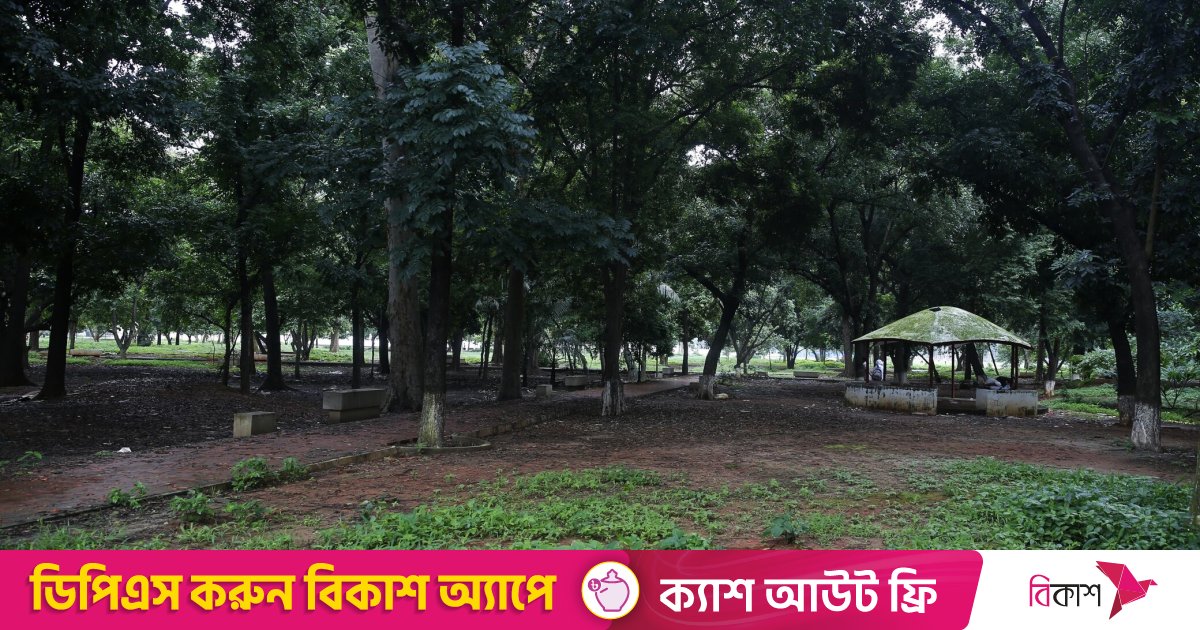
Within this concrete environment, urban green spaces such as parks, university campuses, and botanical gardens become the last remaining safe places for biodiversity.
These areas not only provide shelter for birds, insects, and small mammals, but also offer people a place to breathe, relax, and connect with nature. These green areas are now under great pressure from both urban development and climate change.
A study conducted between 2014 and 2016 looked at butterfly populations in three of Dhaka’s main green spaces: The National Botanical Garden, the University of Dhaka campus, and Ramna Park. The results are deeply worrying. In just three years, the number of butterfly species recorded in these parks dropped significantly. In the Botanical Garden, the number of species fell from 73 to just 29.
Similar patterns were found in the other two parks. Most concerning of all, the species that are considered nationally threatened are disappearing the fastest.
A deadly combination
A study revealed that climate variables are playing a major role in the decline of urban butterflies. Maximum temperature had a short-term positive effect on butterfly numbers, as butterflies are more active in warm weather. However, extreme heat for long periods is harmful, reducing their ability to reproduce and survive.
High humidity, especially during the rainy season, was found to have a negative effect. It creates conditions for diseases and flood breeding areas. Long sunshine hours, surprisingly, also had a negative impact. Intense sunlight increases the temperature of urban areas, dries out host plants, and leads to water stress.
Another key factor is the quality and size of the habitat. The National Botanical Garden, being the largest and richest in plant diversity, supported more species. Smaller parks like Ramna Park showed lower numbers, possibly because they offer less protection from heat and other stressors. Poorly managed green spaces with fewer plant types and high pollution are even less able to support wildlife.
This pattern is not unique to Dhaka. Similar trends are being observed in cities around the world. Urban areas tend to support a few hardy species that can tolerate pollution and heat, while more sensitive and specialized species disappear.
Over time, this leads to what scientists call biotic homogenization, a process where cities lose their unique wildlife and begin to look ecologically the same. This reduces the stability and health of urban ecosystems.
Climate change adds further pressure. Changing weather patterns disrupt the timing of butterfly life cycles. For example, butterflies may emerge before their host plants are ready, or during a period of high rainfall.
Heatwaves, droughts, and storms cause direct deaths of insects and destroy the plants they depend on. Rising sea levels and saltwater intrusion affect coastal urban habitats, killing freshwater plants and reducing insect diversity.
What needs to be done
If we fail to act now, the loss of urban biodiversity will not only be an ecological tragedy but also a threat to human well-being. Biodiversity is essential for clean air, clean water, food production, and mental health.
Protecting it is not just an environmental issue; it is a matter of survival.
First, we must protect and expand urban green spaces. Parks, gardens, and wetlands must be preserved from real estate development. New green spaces should be created wherever possible, especially in poorer neighbourhoods.
These spaces should be designed with native trees, flowering plants, and water bodies that support birds, butterflies, and bees.
Second, we must improve the climate resilience of green spaces. That means planting heat and drought-tolerant species, creating shaded areas, using rain gardens to manage floodwater, and reducing concrete surfaces that increase heat. Green roofs, vertical gardens, and street trees can also help cool cities and provide mini habitats for insects.
Third, urban biodiversity must be included in national climate strategies. Urban ecosystems provide important services from cooling the air to pollinating crops, and must be protected as part of climate adaptation.
Fourth, we need more research and monitoring. We must understand how different species are responding to combined stress from climate and urban change. Long-term studies, especially in countries like Bangladesh, are vital for guiding smart policy.
Lastly, people must be part of the solution. Local communities can help care for green spaces. School programs, citizen science projects, and public campaigns can raise awareness. Small spaces like balconies, schoolyards, and community gardens can all become part of a larger network of green places that support urban wildlife.
Time for action
The story of butterflies in Dhaka is more than just about insects. It reflects a deeper crisis in how we treat nature in our cities. If we continue on the current path, we risk turning our cities into lifeless, overheated, and unhealthy places. There is still time to act. With thoughtful planning, strong policies, and community support, cities can become part of the solution to climate and ecological challenges.
Urban biodiversity is not a luxury. It is a sign of a healthy, resilient city. It cools the air, supports pollination, reduces stress, and brings life into crowded spaces. Protecting it must be a core part of our response to climate change, not tomorrow, but today.
Arghya Protik Chowdhury is a student of Environmental Science, Bangladesh University of Professionals.