
Published on
November 13, 2025

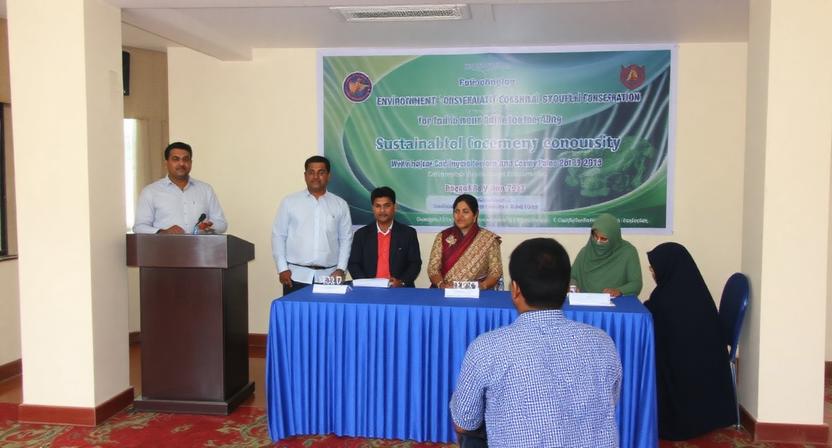
Cox Bazar, considered one of the icons of Bangladesh tourism, hosted a National Seminar on Environmental Conservation, Climate-Resilient, and Responsible Tourism Governance and Partnership on Thursday in a bid to encourage sustainable tourism and environmental conservation. Organized by Enroute International under the ILO’s IJSAC Project and supported by Global Affairs Canada, the seminar brought together policymakers, tourism professionals, and local representatives to discuss the role of sustainable tourism in regional development.
This seminar is a milestone towards increasing the resilience of the tourism sector, emphasizing climate-resilient approaches coupled with ethical tourism for the benefit of host communities and the environment. Inaugurating the event, BTB Chief Executive Officer Nuzhat Yasmin urged responsible governance in tourism and pointed out that sustainable tourism growth would need a collaborative approach between the public and private sectors.
A Platform for Regional Cooperation and Sustainable Tourism
During the seminar, key figures from both the public and private sectors shared insights into the importance of tourism governance in the context of environmental conservation. Max Tunon, Country Director of ILO Bangladesh, and Abu Daud Khan, Managing Director of Enroute International, also emphasized the importance of integrating sustainable practices in the tourism sector to protect the environment while ensuring that local communities benefit from tourism development.
The discussions covered several topics, such as climate change’s impact on tourism destinations, especially coastal regions like Cox’s Bazar, and how tourism development can adapt to climate challenges. Local communities and tourism stakeholders were encouraged to take an active role in preserving natural resources and promoting responsible tourism that safeguards cultural heritage and environmental health.
Tourism and Economic Growth: Linking Responsible Travel with Local Prosperity
One of the most impactful aspects of the seminar was the focus on how tourism can directly benefit local communities by supporting economic growth and fostering sustainable development. Cox’s Bazar, already known for its pristine beaches and biodiversity, has the potential to become a model of eco-tourism, attracting international visitors interested in responsible travel.
By adopting eco-friendly tourism practices, Cox’s Bazar can diversify its tourism offerings and reduce its reliance on high-impact, unsustainable tourism activities. The integration of sustainable infrastructure and environmentally conscious services will not only preserve the region’s natural beauty but also enhance the local economy by attracting more eco-tourists, who are willing to pay a premium for authentic, nature-based experiences.
Jahanara Islam, President of the Cox’s Bazar Women Chamber of Commerce, highlighted how sustainable tourism could create job opportunities and boost local businesses. By working with local entrepreneurs and hospitality providers, the region can offer a unique experience to tourists while supporting local artisans and small businesses in Cox’s Bazar.
Eco-Friendly Hospitality: Showcasing Sustainable Tourism Innovations
As part of the seminar, an exhibition featured eco-friendly hospitality services, many of which were developed by women and youth entrepreneurs. This display highlighted the region’s commitment to green tourism by showcasing businesses that have adopted sustainable practices such as waste reduction, energy efficiency, and local sourcing.
The involvement of young entrepreneurs in the tourism industry is vital for ensuring that the next generation of tourism professionals is equipped to navigate the challenges of climate change and environmental degradation. By encouraging innovation and sustainability, Cox’s Bazar can lead by example in the eco-tourism sector and inspire other regions in Bangladesh and beyond to follow suit.
Promoting Cultural Heritage and Local Tourism
In addition to its focus on sustainable practices, the seminar also celebrated the cultural wealth of Cox’s Bazar. Local tourism offerings such as traditional cuisine, artisanal crafts, and cultural performances were highlighted as essential components of the region’s tourism identity. Visitors to Cox’s Bazar not only have the chance to enjoy its natural beauty but can also immerse themselves in the rich cultural heritage of the local communities.
The event underscored the importance of cultural tourism, where visitors can connect with the local people, learn about traditional lifestyles, and support local artisans. By creating authentic experiences that celebrate local culture, Cox’s Bazar can attract a new generation of cultural tourists, eager to explore both the natural wonders and cultural depth of the region.
The Role of Regional and International Collaboration in Tourism Development
The seminar emphasized that regional collaboration is key to achieving long-term sustainability in the tourism sector. By working together, countries in the South Asian region can share best practices, support cross-border initiatives, and build a strong tourism network that benefits both local economies and the environment. Cox’s Bazar stands as an ideal model for how regional partnerships and innovative tourism solutions can help address shared challenges such as climate change and over-tourism.
The Road Ahead: A Resilient, Sustainable Future for Cox’s Bazar
Cox’s Bazar continues to develop its tourism sector; the lessons learned from the Seminar on Environmental Conservation and Responsible Tourism Governance will play a central role in shaping the future tourism model for the region. If sustainable tourism, ecological sensitivity, and community engagement are emphasized strongly, Cox’s Bazar will be able to retain its position as one of Bangladesh’s best tourism destinations and preserve its natural resources and cultural heritage.
This seminar has also set the stage for the future growth of Cox’s Bazar as a sustainable tourism hub, where economic development goes alongside environmental stewardship and cultural preservation. Through embracing innovative solutions and collaborative efforts, Cox’s Bazar is well-positioned to further attract international tourists while offering local communities a sustainable path to prosperity.
