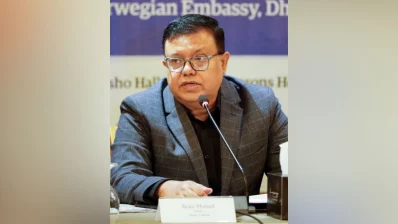
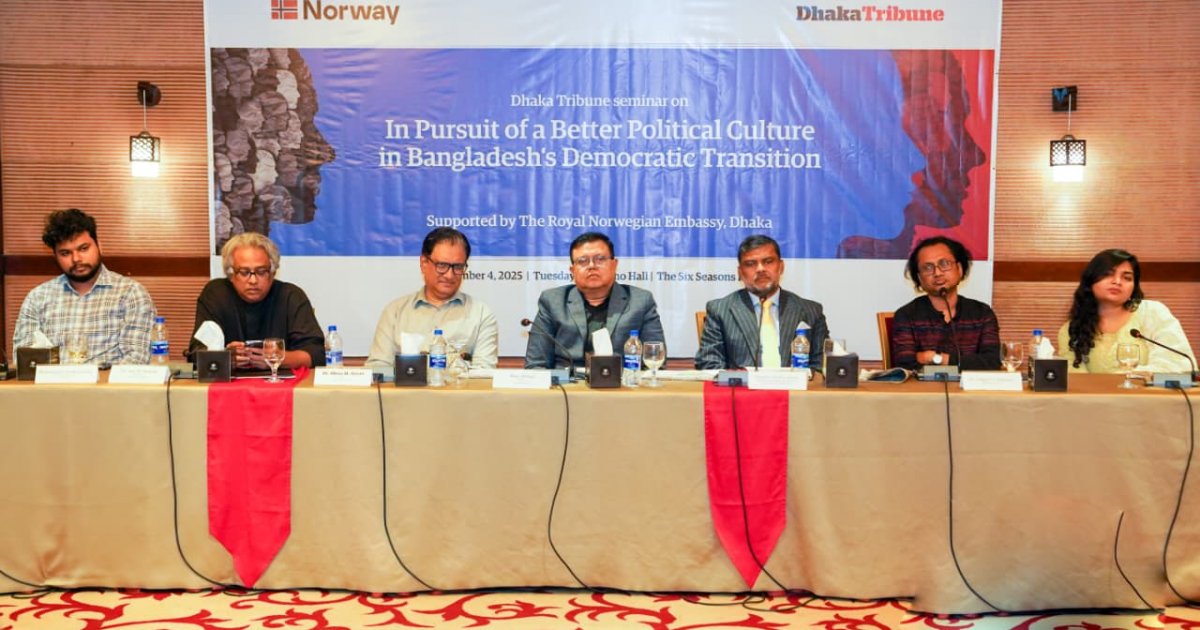
Politics in Bangladesh has increasingly become a means of livelihood rather than a platform for public service, speakers observed at a seminar titled “In Pursuit of a Better Political Culture in Bangladesh’s Democratic Transition.”
The event, held at a Gulshan hotel on Tuesday and organized by the Dhaka Tribune with support from the Embassy of Norway in Dhaka, brought together academics, diplomats, civil society leaders, and political analysts.
Participants called for sweeping reforms in political values, ethics, and institutions to restore public trust in democracy.
Moderated by Dhaka Tribune Editor Reaz Ahmad, the discussion highlighted how patronage networks, money-driven politics, and personal ambition have eroded the principles of accountability and representation.

Norwegian Ambassador Håkon Arald Gulbrandsen said that while Bangladesh’s interim government has initiated significant structural reforms, the country’s democratic renewal depends on the moral conduct of its politicians.
“Without a good political culture, even the best institutional reforms may fail,” he said.
“Democracy is not about majoritarianism, it requires respect for diversity and inclusion.”
The ambassador noted that Norway’s political culture thrives on civility.
“In Norway, candidates maintain friendly relations even during campaigns because politics is not personal, it is public service,” he said.
He highlighted that Bangladesh’s National Consensus Commission (NCC), led by the chief adviser, is guiding the final stage of reform to institutionalize the July Charter — a document outlining systemic reform, transparency, and decentralization.
But, he cautioned, “Without a change in political culture, even painstaking reforms will not deliver lasting democracy.”
‘Citizens must hold leaders accountable’
Special guest of the event, political scientist and CPD Distinguished Fellow Dr Rounaq Jahan said that behavioral change and institutional integrity must go hand in hand.
“Citizens’ ability to monitor leaders cannot be limited to one election every five years. Continuous oversight and transparency are essential,” she said.
She outlined three key reforms: annual public disclosure of MPs’ wealth, a parliamentary code of conduct addressing conflicts of interest, and restrictions on monopolizing state privileges and boards.
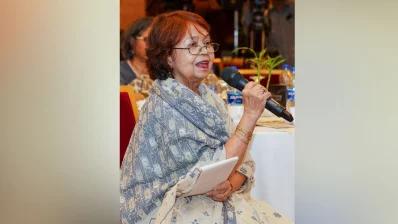
“Unchecked accumulation of wealth has turned politics into a profession of privilege,” she said.
Dr Jahan also cautioned that even well-designed institutions can be hollowed out through elite capture.
“Independent commissions and institutional checks are necessary, but without citizen engagement, they can be undermined from within,” she noted.
Calling for gender equity, she urged parties to create equal opportunities for women and marginalized candidates and move away from smear campaigns toward policy debates.
Yet, she concluded on a note of optimism: “The people of Bangladesh have shown time and again that they believe in democracy. Their resilience remains our greatest hope for reform.”
The roots of political malaise
Dr Mirza M Hassan, adviser at Brac University’s BIDG program, said the dominance of elites and the absence of a fair electoral framework have eroded democratic accountability.
“Politics remains dominated by manipulation and intolerance,” he said.
“Without developing democratic norms, accountability to citizens — particularly the underprivileged — will remain impossible.”
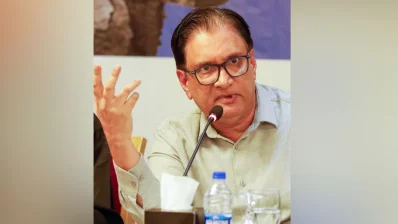
Dr Asif M Shahan, professor of Development Studies at Dhaka University, described the country’s system as “winner-takes-all politics.”
He said: “It’s difficult to define ‘good’ or ‘bad’ political culture, but what we see in Bangladesh is power concentration and institutional weakness. Change won’t come simply through ‘good people’ entering politics, it requires strong institutions that can restrain even bad actors.”
‘Violence, mistrust, survival politics’
Research Director of the Dhaka Institute of Research and Analytics (DAIRA), Mohammad Asaduzzaman, noted that Bangladesh’s post-uprising political reality mirrors global trends of inequality and populism.
“Violence, ideological revenge, and vested interests dominate both political parties and bureaucratic elites,” he said.
“Bangladesh faces a deep crisis of trust in politics and governance. Only people-centered institutional reform can prevent another cycle of elite domination.”
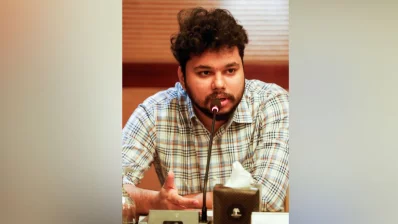
The Daily Star journalist Zyma Islam added that despite renewed democratic optimism, violence continues to shape Bangladesh’s politics.
“Eighty-eight people have died in intra-party BNP clashes and 34 in Awami League-BNP conflicts. These numbers hide human stories, families torn apart by violence and fear,” she said.
Zyma warned that political violence, suppression of free expression, and retaliatory cases against journalists undermine any chance of reform.
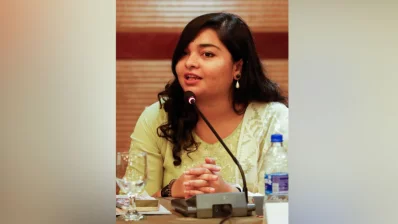
“Empowering citizens and fostering tolerance are essential to breaking this cycle,” she emphasized.
‘From authoritarianism to mafia regime’
Political analyst Dr Zahed Ur Rahman warned that Bangladesh may be entering a new, more dangerous phase of religion-based politics.
“The most worrying thing is that our next phase may become religion-driven, we already see the signs,” he said.
Rahman described the decade after 2018 as “a classic example of a mafia regime,” arguing that the state has shifted from open authoritarianism to a system built on loyalty and fear.
“Democracy often dies within a constitutional framework,” he said.
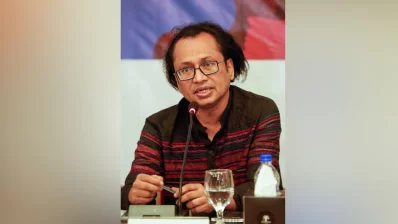
“People are elected, they come to power, and then they change the constitution to keep themselves there.”
Barrister Shishir Manir, a member of Bangladesh Jamaat-e-Islami, made a remark that resonated across the room: “Politics has become one of the biggest livelihoods in Bangladesh.”
He said the intertwining of politics, money, and control drives leaders to cling to power.
“Both national and local politics now treat authority as entitlement, not service. Power is seen as a means to personal gain,” he said.
Manir praised the July Charter for proposing a balance between the executive, legislative, and judicial branches.
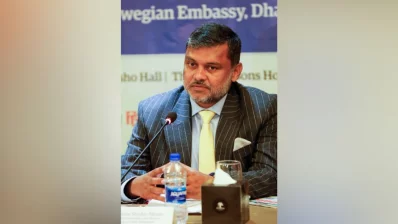
“If practiced consistently, it could mark the beginning of a sound institutional culture,” he said.
“The Charter ensures orderly assumption and relinquishment of power, something Bangladesh desperately needs.”
‘Rebuilding political ethics’
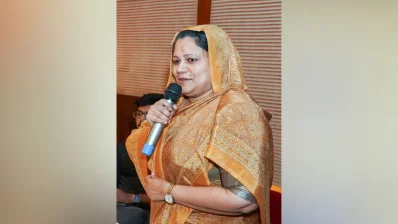
BNP Media Cell member Mahmuda Habiba emphasized shared responsibility among political parties, media, and citizens in fostering a healthier culture.
“The political system has become a distorted form of social security,” she said.
“Loyalty, not merit, determines access to livelihoods.”
She also stressed the need for greater representation of women and youth, saying: “Tolerance and participation must go beyond slogans. Reform must mean inclusion.”
Across the three-hour discussion, one theme stood out: politics in Bangladesh has drifted from public service to self-service.
Speakers agreed that without rebuilding democratic norms and restoring ethics, institutional reforms will remain cosmetic.
As Dhaka Tribune Editor Reaz Ahmad summarized: “Democracy cannot thrive where politics becomes a livelihood. It must once again become a calling, a responsibility to serve.”