
Close Menu
  • Home
  • Editorial
  • Politics
  • Economic
  • Sports
  • Religion
  • Contact us
  • About Us
Donate
Hand picked for you
  • Bangladesh’s political reset and the regional ripple effect
  • Jamaat chief flays Bangladesh president for interview, exposing political fault line again
  • Six seats, big goals: What’s next for Bangladesh’s student-led NCP party? | Bangladesh Election 2026 News
  • Is Bangladesh ready for environmental democracy?
  • Economic recovery still fragile: MCCI

Subscribe to Updates

Get the latest news from raznitee.

Reach out to us
  • Facebook
  • Twitter
  • Pinterest
  • Instagram
  • YouTube
  • WhatsApp
Facebook X (Twitter) Instagram
raznitee
Contact us
  • Home
  • Editorial
  • Politics
  • Economic
  • Sports
  • Religion
  • Contact us
  • About Us
raznitee
Facebook X (Twitter) Instagram
Contact us
Home»Environment»Groundwater levels fall across Bangladesh’s Barind region: Study
Environment

Groundwater levels fall across Bangladesh’s Barind region: Study

January 27, 2026No Comments3 Mins Read
Facebook Twitter Pinterest LinkedIn Tumblr Email
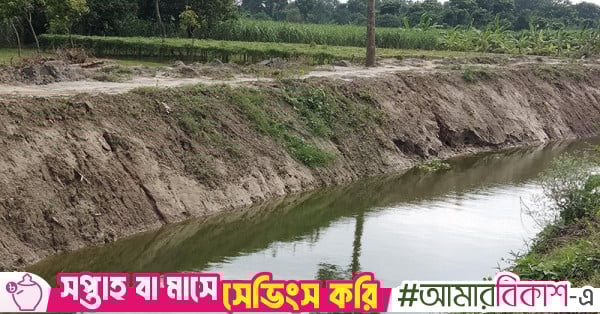
Image 22953 1634368133.jpg
Share
Facebook Twitter LinkedIn Pinterest Email

Highlights:

  • Groundwater levels falling Barind due to farming and low rainfall.
  • Many unions face high or very high water stress.
  • Irrigation dominates use, consuming over 97% of groundwater.
  • Thick clay layer limits natural recharge to aquifers.
  • Dry-season dependence worsened by low rainfall and scarce surface water.
  • Study urges extraction limits, alternative sources, recharge, and crop changes.

Groundwater levels are falling across large parts of Bangladesh’s Barind region due to heavy use for farming, low rainfall and limited natural recharge, according to a new study published  on Scirp.org.

The research mapped water stress in unions across Rajshahi, Chapai Nawabganj and Naogaon districts and found many areas already face high or very high pressure on underground water supplies.


The Business Standard Google News
Keep updated, follow The Business Standard’s Google news channel

In Rajshahi district, 13 of 71 unions were classified as having very high water stress. In Chapai Nawabganj, 10 of 45 unions fell into the same category. Naogaon district was the most affected, with 24 of 99 unions facing very high stress.

Researchers said the main cause is intensive use of groundwater for irrigation. More than 97% of groundwater in the Barind region is used for agriculture, especially during the dry season.

Natural recharge is low because the region is covered by a thick clay layer, between 20 and 80 metres deep. This layer blocks rainwater and surface water from easily reaching the aquifers below.

Climate factors have made the problem worse. Rainfall is low and uneven, and surface water becomes scarce between January and April. During this time, farmers depend almost entirely on groundwater.

Data show that groundwater levels drop to their lowest point by late April, at the end of the dry season. Levels rise after the monsoon and reach their highest point around October, but the overall trend is downward.

The study recommends strict limits on groundwater extraction in areas under high and very high stress. It says no additional pumping should be allowed in these zones, as water use already exceeds safe levels.

To reduce pressure on aquifers, the researchers suggest greater use of surface water, rainwater harvesting and combined use of surface and groundwater.

They also support managed aquifer recharge using inverted deep tube wells. These wells allow water to flow directly into aquifers by bypassing the thick clay layer and have been used by the Barind Multipurpose Development Authority.

The study also calls for changes in farming practices, including crop diversification and a move away from water-intensive crops such as Boro rice. Smart metering systems are recommended to help control water use.

By mapping water stress at the union level, the researchers say authorities can focus action on the most affected areas, rather than applying broad policies across the region.

Share. Facebook Twitter Pinterest LinkedIn Tumblr Email

Related Posts

Is Bangladesh ready for environmental democracy?

February 23, 2026

Low pressure over equatorial Indian Ocean, Southeast Bay: BMD

February 21, 2026

Signing of the Memorandum of Cooperation between the Ministry of the Environment of Japan and the Ministry of Environment, Forest and Climate Change of the Government of the People’s Republic of Bangladesh on Environment | Press Release

February 21, 2026

How thousands of Bangladeshis fight climate-fueled disease

February 20, 2026
Add A Comment
Leave A Reply Cancel Reply

Subscribe to Updates

Get the latest news from raznitee.

We are social
  • Facebook
  • Twitter
  • Pinterest
  • Instagram
  • YouTube
  • WhatsApp
Latest Posts

Bangladesh’s political reset and the regional ripple effect

February 27, 2026

Jamaat chief flays Bangladesh president for interview, exposing political fault line again

February 27, 2026

Six seats, big goals: What’s next for Bangladesh’s student-led NCP party? | Bangladesh Election 2026 News

February 27, 2026
Follow us on social media
  • Facebook
  • Twitter
  • Pinterest
  • Instagram
  • YouTube
  • WhatsApp
Categories
  • Corruption (409)
  • Culture & Society (114)
  • Economic (1,904)
  • Environment (1,314)
  • Foreign Relations (359)
  • Health & Education (70)
  • Human Rights (5)
  • Politics (2,176)
  • Uncategorized (2)
Facebook X (Twitter) Instagram Pinterest Vimeo YouTube
  • About Us
  • Contact us
  • Disclaimer
  • Privacy policy
© 2026 Designed by raznitee.com

Type above and press Enter to search. Press Esc to cancel.