
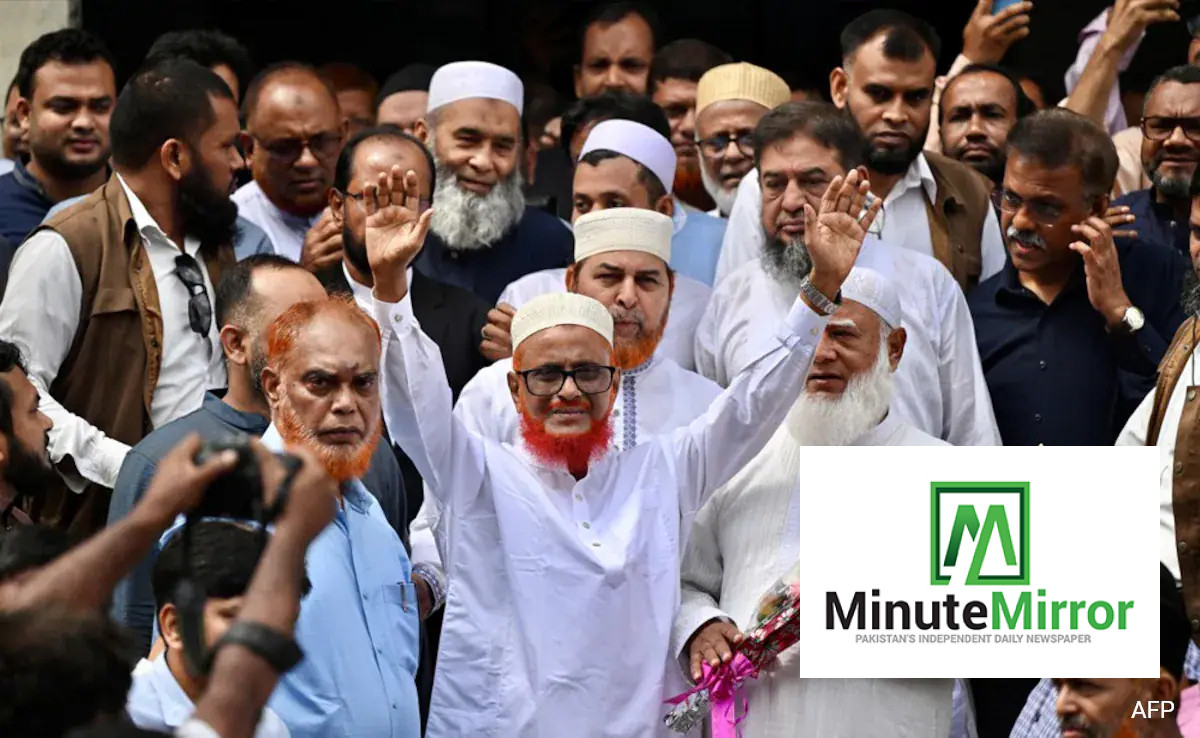
Dhaka: Once sidelined for its opposition to independence and barred from elections for more than a decade, Bangladesh’s largest religio-political party is making a comeback. Jamaat-e-Islami is drawing fresh support as the country prepares for parliamentary elections in February, reshaping the political landscape and stirring unease among moderates and minority groups.
The party began repositioning itself after a youth-led uprising in August 2024 forced Prime Minister Sheikh Hasina from power. With the Awami League banned, Jamaat has sought to present itself as a cleaner, more inclusive alternative, emphasizing anti-corruption credentials and welfare initiatives. Analysts say this strategy could deliver its strongest electoral performance to date.
A December survey by the International Republican Institute placed Jamaat at the top of public approval ratings, projecting a close contest with the Bangladesh Nationalist Party in the February 12 vote.
“We started welfare politics, not reactionary politics,” Jamaat chief Shafiqur Rahman told Reuters, pointing to medical camps, flood relief, and support for families of those killed in the uprising. The United Nations estimates that 1,400 people lost their lives during the protests.
Founded in the 1940s as part of a pan-Islamist movement in India, Jamaat opposed Bangladesh’s independence in 1971. Under Hasina’s government, many of its leaders were executed or imprisoned following war crimes trials criticized by rights groups. In 2013, the party was banned from elections after a court ruled its charter conflicted with the secular constitution.
The ban was lifted last year, and Jamaat’s student wing quickly gained momentum by winning Dhaka University polls, defeating the newly formed Gen-Z National Citizen Party. Later, Jamaat forged an alliance with the NCP, a move analysts say has helped soften its image.
“We want something new, and the new option is Jamaat,” said Mohammad Jalal, a street vendor in Dhaka. “They have a clean image and work for the country.”
Political analyst Shafi Md. Mostafa noted that Jamaat’s transformation from a “stigmatised force” to a “pragmatic contender” has been fueled by public anger over abuses during Hasina’s rule. “The authoritarian tendencies of the Awami League created frustration, allowing Jamaat to revive its call of ‘Islam as a solution’ and present itself as a moral alternative,” he said.
In a bid to broaden its appeal, Jamaat has nominated a Hindu candidate for the first time and spoken against attacks on minorities. The party’s platform calls for a democracy guided by Islamic principles. Leaders have also pledged equal rights for women, though no female candidates have been nominated for the 300 parliamentary seats. Rahman said women could gain representation through the 50 proportional seats to be allocated after the election.
We welcome your contributions! Submit your blogs, opinion pieces, press releases, news story pitches, and news features to opinion@minutemirror.com.pk and minutemirrormail@gmail.com