
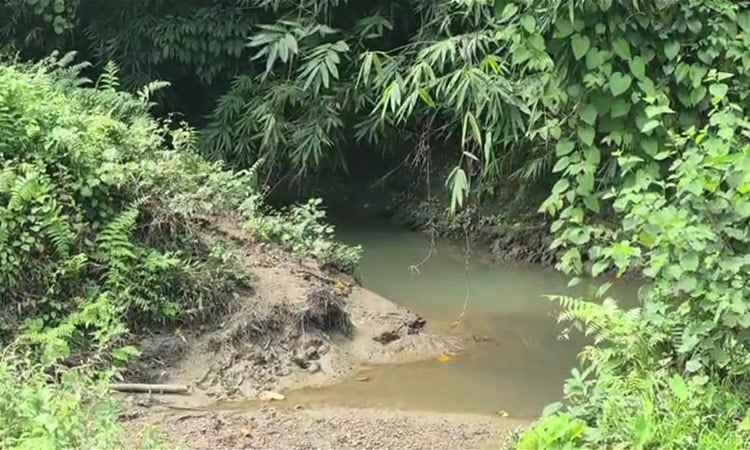
Khagrachhari’s Paraban can be role model in protecting biodiversity
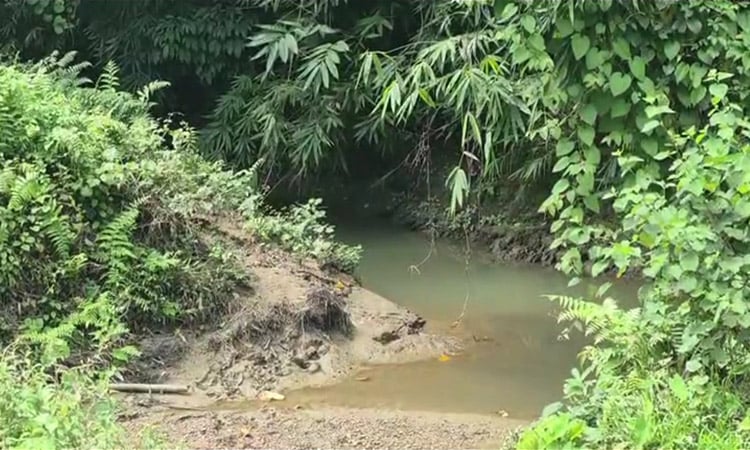
Khagrachhari’s Paraban. Photo: BSS
KHAGRACHHARI, Nov 15, 2025 (BSS) – Khagrachhari’s Paraban, also known as Pablakhali Mouja Forest, is emerging as a potential ‘role model’ for community-led biodiversity conservation, according to experts and residents.
They believe that if forest communities across the Chittagong Hill Tracts—and the rest of the country—come forward with similar initiatives, the national effort to protect forests and combat climate change will gain significant momentum.
Located in Dighinala upazila, Pablakhali Mouja has become a remarkable example of grassroots forest protection.
While deforestation has severely depleted forest resources across the Hill Tracts, locals in this area have successfully established a conservation zone covering more than 700 acres—known locally as Paraban or Moujaban.
This form of Village Common Forest (VCF) is traditionally protected by the people of a specific mouja or neighborhood.
Supported by the Khagrachhari Zila Parishad with funding from UNDP, local residents strictly enforce rules that prohibit tree cutting, bamboo extraction and wildlife hunting.
Violators face punishment or fines according to village law. Villagers say the initiative is rooted in both environmental responsibility and their dependence on the forest for water, agriculture and daily life.
The forest is home to six natural streams and numerous rivulets, and hosts a wide variety of tree species including Gorjan, Gamardhi, Civet, Telsur, Chapalish, Olive, Haritaki, Bahera and others.
It has also become a sanctuary for deer, forest roosters, bears, pigs, mynas, parrots and numerous other bird species.
Local people said that the presence of forest streams has improved irrigation and made agriculture more viable in the hilly terrain.
Drinking water for nearby communities is also sourced directly from these forest waterways.
Ajit Baran Chakma, a resident of the area, said the forest is deeply intertwined with the community’s environment, livelihood and cultural values.
“We protect the forest out of love for nature and out of necessity,” he said, noting that around 700 acres are being safeguarded through collective effort.
Khagrachhari-based journalist Rupayan Talukder expressed admiration after visiting the area. “At a time when thousands of acres are being cleared for private orchards, the residents of Pablakhali Para are working selflessly to preserve the forest for future generations,” he said.
“Their initiative is exemplary and could inspire conservation efforts across the country.”
Chinghlamong Chowdhury, Public Relations Officer of the Zila Parishad, highlighted the ecological richness of Pablakhali’s streams, rivulets and waterfalls.
“This forest contains many rare mother trees and a vibrant water system.
If everyone works to protect such areas, we can create a better world for the next generation,” he said.
Divisional Forest Officer Md. Farid Miah echoed this sentiment, noting that Khagrachhari’s many water channels play an important role in biodiversity conservation.
“The people of Pablakhali are sincere in their efforts. The Forest Department is always ready to cooperate if needed,” he added.
Despite their success, local residents said the existing forest cover is still insufficient due to the long history of deforestation in the Chittagong Hill Tracts.
They are urging the government to take fresh initiatives to increase forest coverage and maintaining ecological balance, which ultimately help making Bangladesh climate resilient country.
With 59 similar villages or mouja forests already identified across Khagrachhari district, experts said that scaling up such community-driven conservation models could significantly boost national biodiversity protection efforts.