
Close Menu
  • Home
  • Editorial
  • Politics
  • Economic
  • Sports
  • Religion
  • Contact us
  • About Us
Donate
Hand picked for you
  • Bangladesh’s political reset and the regional ripple effect
  • Jamaat chief flays Bangladesh president for interview, exposing political fault line again
  • Six seats, big goals: What’s next for Bangladesh’s student-led NCP party? | Bangladesh Election 2026 News
  • Is Bangladesh ready for environmental democracy?
  • Economic recovery still fragile: MCCI

Subscribe to Updates

Get the latest news from raznitee.

Reach out to us
  • Facebook
  • Twitter
  • Pinterest
  • Instagram
  • YouTube
  • WhatsApp
Facebook X (Twitter) Instagram
raznitee
Contact us
  • Home
  • Editorial
  • Politics
  • Economic
  • Sports
  • Religion
  • Contact us
  • About Us
raznitee
Facebook X (Twitter) Instagram
Contact us
Home»Culture & Society»Post-pandemic South Asia: How the COVID-19 pandemic will affect Bangladesh’s politics, economy, and healthcare
Culture & Society

Post-pandemic South Asia: How the COVID-19 pandemic will affect Bangladesh’s politics, economy, and healthcare

August 14, 2024No Comments2 Mins Read
Facebook Twitter Pinterest LinkedIn Tumblr Email
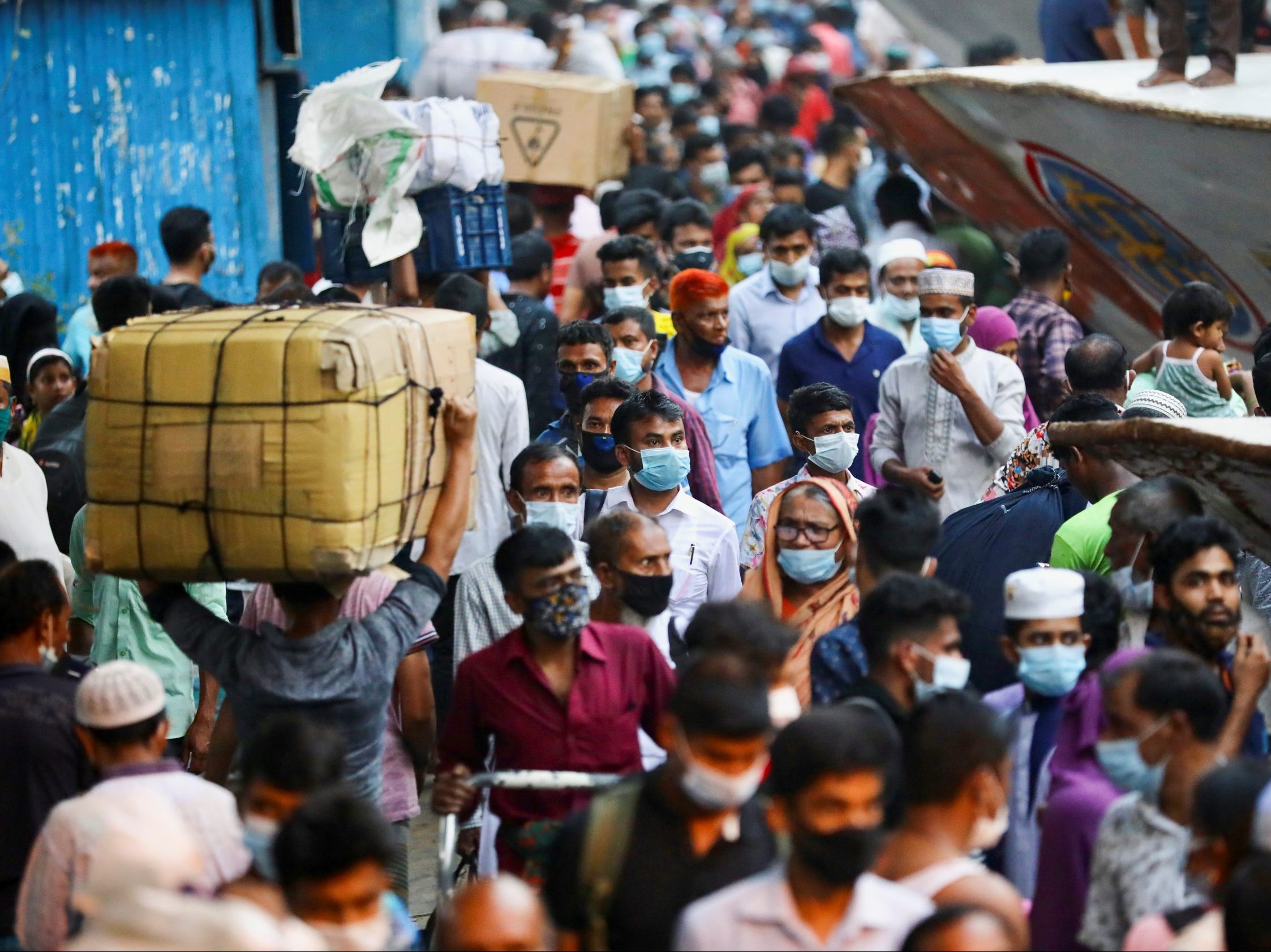
2021 04 04t130926z 525794766 Rc21pm96uer0 Rtrmadp 3 Health Coronavirus Bangladesh Scaled E1617904715.jpeg
Share
Facebook Twitter LinkedIn Pinterest Email

As the global community continues to grapple with the coronavirus (COVID-19), the Atlantic Council is open for business. Our business, meetings, and events, however, are occurring virtually. For more information, please read an update from our President and CEO.
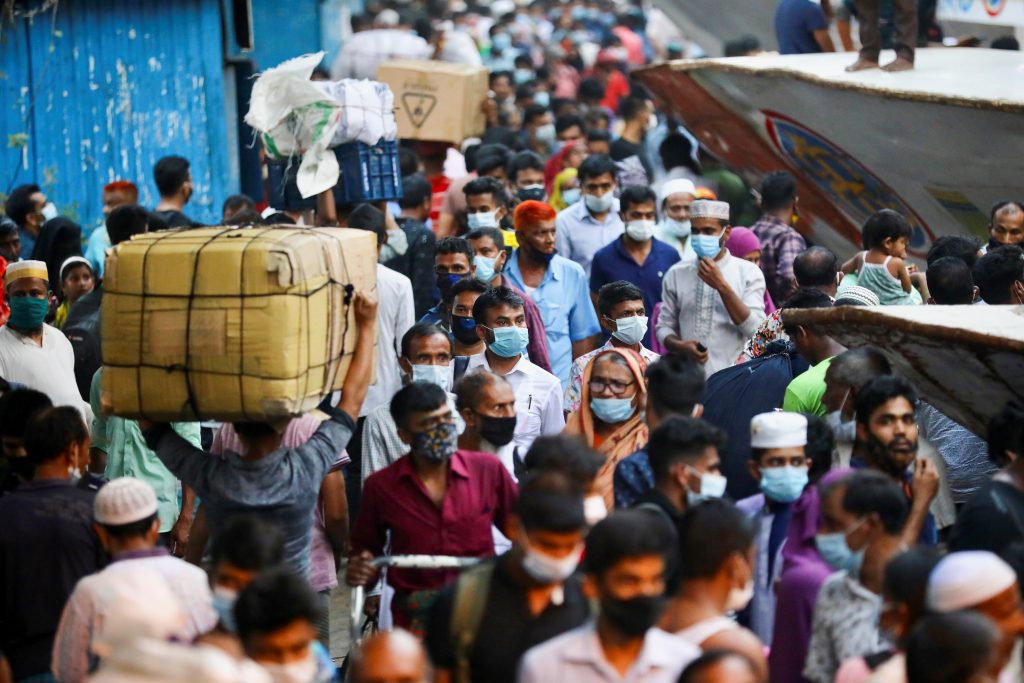
The COVID-19 pandemic has deepened existing cleavages present in Bangladesh’s economy, society, politics, and healthcare infrastructure. In a post-pandemic world, Bangladesh will be compelled to cope with economic challenges as it prepares to graduate from its least developed country status in 2026. It will also have to respond to other internal problems exacerbated by the COVID-19 pandemic, including those related to a non-inclusive political environment, climate change, the relocation of Rohingya refugees, and a strained healthcare system.

Moreover, schisms in Bangladesh’s relations with neighboring India have been exposed, following protests related to Indian Prime Minister Narendra Modi’s visit on the occasion of the country’s golden jubilee celebrations. With increasing regional competition, a changing geopolitical environment with vaccine competition between India and China, and an ongoing democratic crisis in Myanmar next-door, Bangladesh will need to come up with creative responses that uplift all segments of Bangladeshi society and position itself at the forefront of climate change action and Rohingya resettlement.

On Tuesday, May 11, 2021, from 10:00-11:00 AM US EST / 8:00-9:00 PM Dhaka Time, join the Atlantic Council’s South Asia Center for a wide-ranging conversation on the future of Bangladesh’s economic, political, and healthcare landscapes in the context of the evolving COVID-19 landscape.

This is the second event in a series of conversations on the future of South Asian countries post-pandemic. The first conversation focused on Pakistan, and a recap of the event can be found here.

Featuring

Dr. Rudabeh Shahid
Non-resident Senior Fellow
Atlantic Council’s South Asia Center

Dr. Ali Riaz
Non-resident Senior Fellow
Atlantic Council’s South Asia Center

Dr. Fahmida Khatun
Executive Director
Center for Policy Dialogue

Dr. Mofijul Islam Bulbul
Deputy Program Manager
Bangladesh Ministry of Health and Family Welfare

Harris A. Samad
Assistant Director
Atlantic Council’s South Asia Center

Moderated by

Irfan Nooruddin
Director
Atlantic Council’s South Asia Center

The South Asia Center is the hub for the Atlantic Council’s analysis of the political, social, geographical, and cultural diversity of the region. ​At the intersection of South Asia and its geopolitics, SAC cultivates dialogue to shape policy and forge ties between the region and the global community.

Related content

Share. Facebook Twitter Pinterest LinkedIn Tumblr Email

Related Posts

What ilish, a fish, says about India-Bangladesh relations

February 12, 2025

Bangladeshi culture is rich in practices that help mental health

February 7, 2025

The Open Society Foundations in Bangladesh – Bangladesh

January 28, 2025

Role Of Civil Society In Bangladesh’s Democracy | Democracy needs civil society to thrive

January 25, 2025
Add A Comment
Leave A Reply Cancel Reply

Subscribe to Updates

Get the latest news from raznitee.

We are social
  • Facebook
  • Twitter
  • Pinterest
  • Instagram
  • YouTube
  • WhatsApp
Latest Posts

Bangladesh’s political reset and the regional ripple effect

February 27, 2026

Jamaat chief flays Bangladesh president for interview, exposing political fault line again

February 27, 2026

Six seats, big goals: What’s next for Bangladesh’s student-led NCP party? | Bangladesh Election 2026 News

February 27, 2026
Follow us on social media
  • Facebook
  • Twitter
  • Pinterest
  • Instagram
  • YouTube
  • WhatsApp
Categories
  • Corruption (409)
  • Culture & Society (114)
  • Economic (1,904)
  • Environment (1,314)
  • Foreign Relations (359)
  • Health & Education (70)
  • Human Rights (5)
  • Politics (2,176)
  • Uncategorized (2)
Facebook X (Twitter) Instagram Pinterest Vimeo YouTube
  • About Us
  • Contact us
  • Disclaimer
  • Privacy policy
© 2026 Designed by raznitee.com

Type above and press Enter to search. Press Esc to cancel.