
Published on
October 22, 2025

The government of Bangladesh has introduced a set of strict guidelines to safeguard the delicate environment, ecosystem, and biodiversity of Saint Martin’s Island, a prized tourist destination. Issued by the Ministry of Environment, Forest and Climate Change under the Environment-2 Wing, the new rules aim to balance tourism with environmental preservation.
These regulations, which are in line with the Bangladesh Environment Conservation Act, 1995, and the 2023 “Guidelines for the Protection of Environment, Ecosystem and Biodiversity of Saint Martin’s Island and for Eco-Friendly Tourism,” mark a significant step in the country’s efforts to preserve this tropical paradise.
A New Approach to Sustainable Tourism
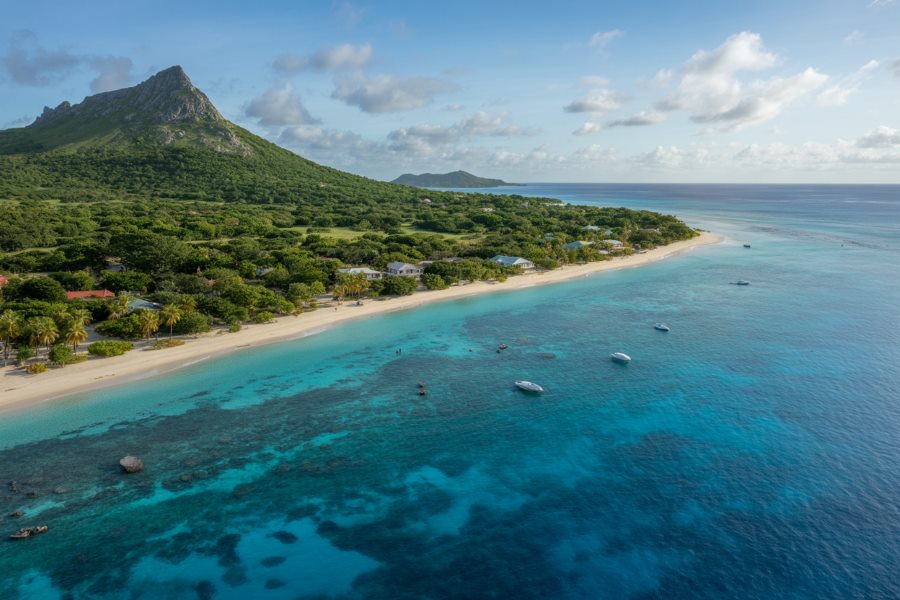
Saint Martin’s Island, known for its pristine beaches, lush forests, and diverse marine life, has seen increasing tourism in recent years. However, with the growth in visitor numbers, there has been rising concern over the environmental degradation of the island. To address this, the government has implemented a comprehensive set of measures to ensure that tourism does not threaten the fragile ecosystem.
One of the most significant changes involves the Bangladesh Inland Water Transport Authority (BIWTA), which now requires prior approval from the Ministry of Environment before allowing any vessel to operate to the island. This move is aimed at controlling the number of tourists and ensuring that only authorized boats are allowed to visit the island.
Ticketing and Visitor Limits
A key part of the new guidelines is the introduction of a digital ticketing system, designed to manage visitor numbers and prevent overcrowding. Tourists wishing to visit Saint Martin’s Island will be required to purchase tickets through the authorized web portal of the Bangladesh Tourism Board. Each ticket will include a Travel Pass and a QR code. This measure will ensure that only legitimate tickets are issued, and any tickets lacking a QR code will be considered counterfeit.
To further control the flow of visitors, the new rules specify that the daily number of tourists allowed on the island must not exceed 2,000. Additionally, specific regulations have been put in place for different months of the year. In November, only daytime visits will be allowed, and no overnight stays will be permitted. However, during December and January, overnight stays will be allowed, while February will see the island closed to all tourist travel.
Environmental Restrictions for Tourists
In an effort to protect the island’s fragile ecosystem, the government has imposed a range of restrictions on activities that could potentially harm the environment. These include a ban on lighting fires, loud noise, and barbeque parties on the beaches at night. Such activities can disturb the natural balance and negatively impact the island’s wildlife and flora.
The government has also prohibited the entry of tourists into the Keya forest, which is home to unique species of plants and animals. Collecting or trading Keya fruits, along with causing harm to marine life—such as turtles, crabs, starfish, corals, and seaweed—is strictly forbidden.
The operation of motorcycles, sea bikes, and other motorized vehicles on the beach is also prohibited. The ban is intended to preserve the island’s beaches, which are an important nesting ground for marine life and a critical part of the island’s natural appeal.
Fighting Plastic Pollution
Saint Martin’s Island is renowned for its unspoiled beauty, but the growing issue of plastic pollution threatens its delicate ecosystem. The new guidelines prohibit the carrying of polythene items and discourage tourists from bringing single-use plastics. Items such as chip packets, plastic spoons, straws, mini soap or shampoo packs, and plastic bottles in small quantities (500ml or 1000ml) are now banned.
The government encourages visitors to carry personal reusable water flasks and adopt eco-friendly habits, in line with global efforts to reduce plastic waste. These measures are part of a broader push to promote sustainable and responsible tourism on the island.
A Vision for Responsible Tourism
The government’s actions are aimed at transforming Saint Martin’s Island into a model for eco-friendly tourism in Bangladesh. By restricting harmful activities and promoting responsible tourism, the authorities hope to balance the island’s ecological preservation with the economic benefits of tourism. The guidelines are expected to encourage visitors to be more mindful of their impact on the environment, fostering a culture of sustainability.
In line with this vision, the Ministry of Environment, Forest and Climate Change recently held a meeting to discuss the implementation of these new eco-friendly tourism policies. The government anticipates that these efforts will not only protect the island’s natural heritage but also inspire other tourism destinations in Bangladesh to follow suit in adopting sustainable practices.
A New Era for Saint Martin’s Island
The new regulations signify a major step in ensuring the long-term preservation of Saint Martin’s Island’s unique biodiversity. With stricter visitor limits, environmental protections, and a strong push toward reducing plastic waste, the government is positioning the island as a beacon of eco-tourism in Bangladesh. By implementing these measures, Bangladesh aims to show that tourism and environmental conservation can go hand in hand, setting a precedent for other natural destinations in the country.
These efforts to preserve the natural beauty and biodiversity of Saint Martin’s Island will not only protect its environment but also promote sustainable tourism, encouraging future generations to experience the island’s untouched allure.
