

Bangladesh’s climate change policy is anodyne, feel-good catchphrases that can help raise funds, but do nothing to save lives or the environment. The country’s survival depends on this changing faster than the climate is.
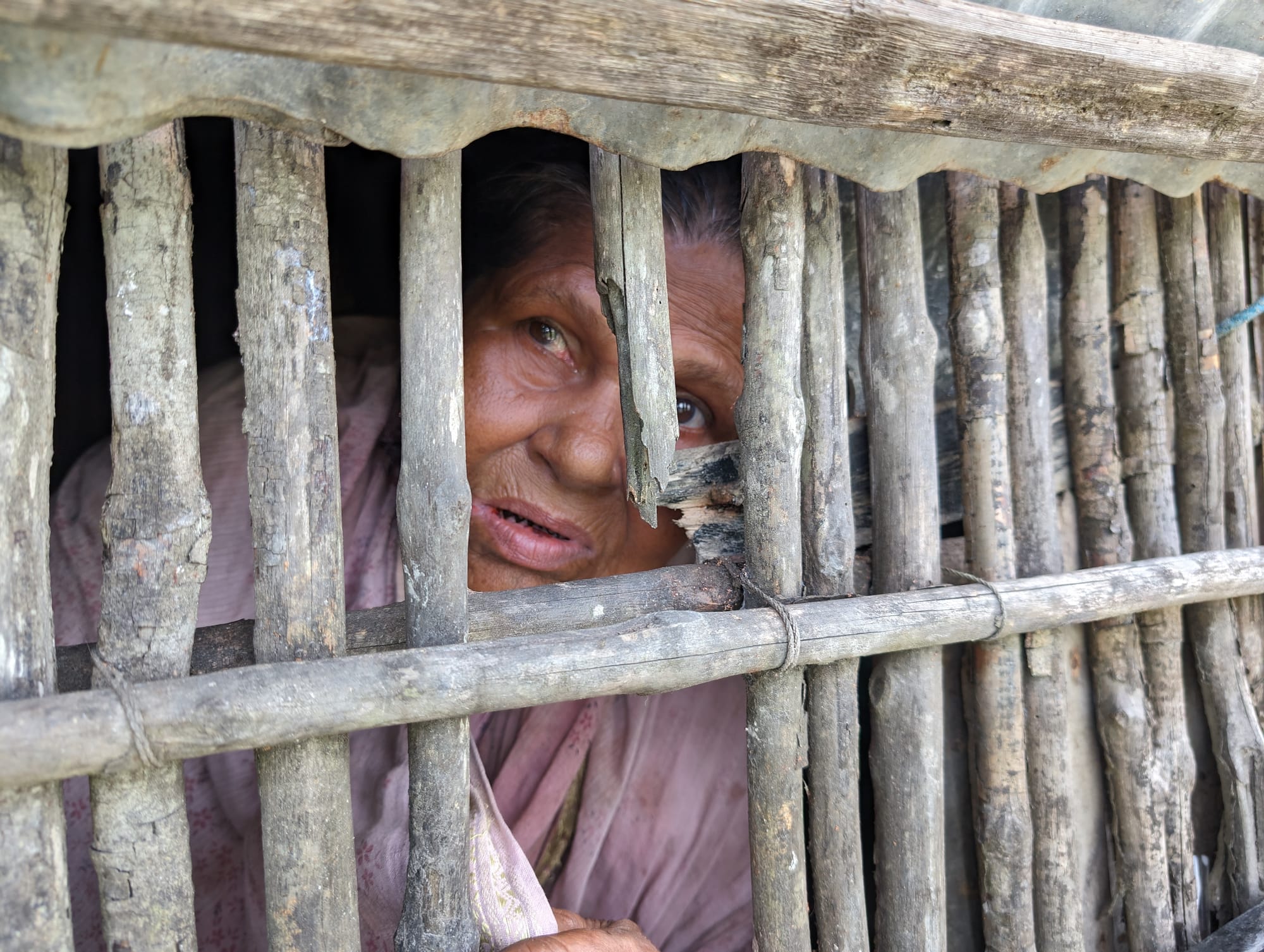
The politics of climate change in Bangladesh has never been a debate between scientific facts and anti-intellectual denials. A country as prone to the effects of the deepening global crisis has not had the luxury of denying the truth, in spite of the attempts of downstream Western globalisation to influence the thinking of the Anglophone elites. Instead, Bangladesh has politicised the climate crisis as a means for groups and individuals to enrich themselves and grow their cultic brands.
The moment Sheikh Hasina stood up to Al Gore at Davos in 2017, she brought her Awami League government’s concerted efforts to swell the coffers of a climate fund – eventually named after her father – to the forefront of Bangladeshi politics. The whereabouts of the millions pledged and paid into it are unknown. What can be stated with certainty is that Bangladeshi people, particularly those most vulnerable to climate change – who also happen to be among the poorest, in line with the global trend – did not benefit from it. Aside from disaster relief efforts – often tied to infrastructure development, an area where corruption is rife – there was neither any policy initiative nor any tangible measures to alleviate or counter the increasingly adverse effects of climate change under the Awami League.
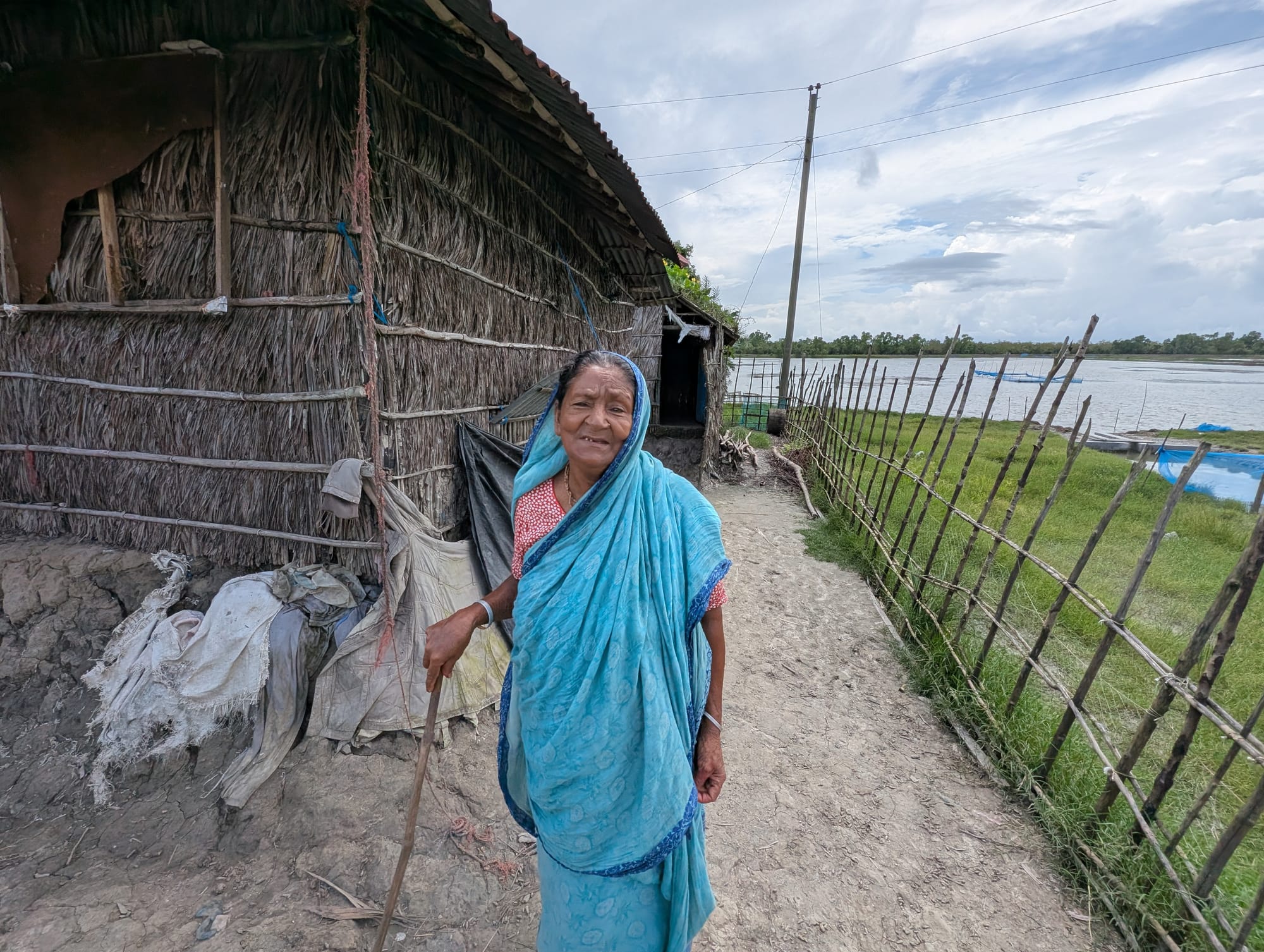
Swaira Mondol, a resident of the island village of Golakhali in Satkhira, describes her profound life struggle and psychological distress to Netra News, a voice borne out of displacement caused by the scourge of climate change. Photo: Marzia Hashmi Momo / Netra News
As an interim government whose prized assets are civil society luminaries versed in the Anglophone liberal jargon of aid, donors and grants, is counting down to a general election, this should serve as a cautionary tale for the future of Bangladeshi politics. These are the people who are supposed to care about the environment. Yet, they have not even considered creating a framework where the subject would be central to the country’s politics during the year that they have been in a position to do so. Beating the dead horse of banning plastic bags has been the signature policy of the interim government’s resident environment expert.
Among the puffed-chested photographs of the interim government’s economic wizards promising foreign investment, not one has begun to think about an economic roadmap that does not harm the environment, let alone one that prioritises it. Among the detritus of the interim government’s faltering reform agenda, not only was there no commission for the environment, the consensus of men stemming from it has not shown any intent to so much as spell the word, let alone consider enshrining it in the constitution. Among the pandering to the Islamist right at the expense of women, indigenous peoples, and religious and gender minorities, there has not been one sighting of a bona fide environment expert, indicative of severe intellectual dearths in political thought and will.
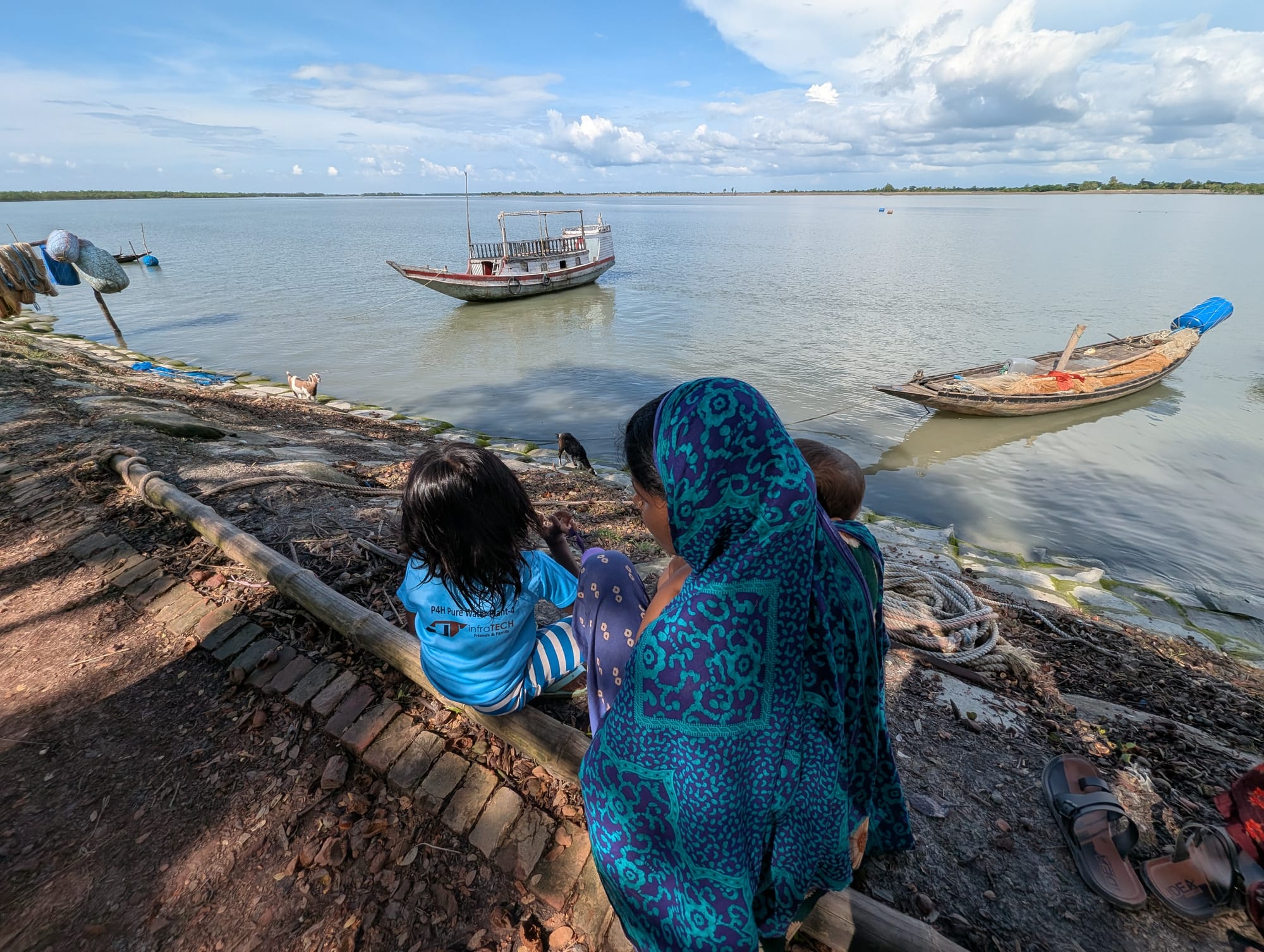
The alarm bells should be ringing loudly after hearing the chief adviser tell the New York Times that, “Government is not the solution. It’s the people who live on this planet who are the solution.” In his civilian life, Muhammad Yunus has not seen the irony in his commitment to increase his carbon footprint to preach about zero carbon emissions – itself a dated and limited view of climate change and how to tackle it. As the head of the government, he has seen it fit to decree a total abdication of responsibility and create the framework for victim-blaming. In neither role has he lifted a finger to take action on Bangladeshi soil regarding the climate crisis.
The everyday reality of living with the impact of climate change is a stream of malnourishment, epidemics, trauma and poverty, without access to potable water, healthcare, education, livelihood and a permanent home. It is having to walk tens of miles, hungry, thirsty and sick, for work, water, food, medicine, money, to gain the capacity to walk hundreds of miles to become an unwanted refugee in the big cities, away from indigenous land. None of this is the people’s fault, nor can they alone solve any of it. If a Bangladeshi government cannot provide solutions either, it should abdicate power rather than responsibility. The West still has a few trees left for it to hug. ●