
Living through this interim period, I cannot help but notice a paradox in Bangladesh’s economy. On paper, a degree of stability has returned. The dollar has stopped spiralling, reserves are holding, and the central bank has not been forced into constant firefighting. Even the banking sector, so often the poster child of mismanagement, shows signs of cleanup.
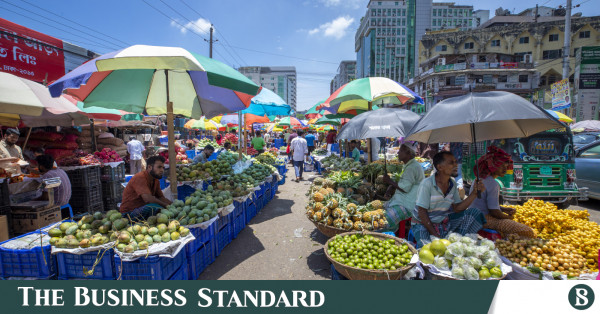
And yet, when I look around, growth remains mostly elusive. The lifeblood of the economy — investment — has slowed to a great extent. Without investment, no real growth is possible, and this truth is beginning to play out in painful ways. Factories are closing, jobs are disappearing, and those who once clocked in at industrial belts now sell vegetables at roadside markets.
This is a pretty dismal show, not acceptable in exchange for any reform or stability of the world. It is an about turn for a nation that was a poster child for growth just a couple of years ago. In fact, GDP growth is not the sole measure of development, yet no one can develop without a fairly high rate of growth for a sustained period.

The connection between investment and jobs is not an abstract theory. It is visible in our lives. When no new factories or projects emerge, people cannot find work. Existing firms slash costs, and people lose their livelihoods.
This is why households are shrinking their spending, why the stock market looks dry and why dividends no longer reach small investors. Even banks are not able to pay dividends to the shareholders, and there is hardly any news of production expansion of the listed companies in the country.
Yes, there are bright spots. The stability in the dollar market has made imports of fuel, medicines and raw materials more manageable. Inflation, too, has eased on paper. But here lies the catch: stability without vibrancy is no real solution. If anything, it is a managerial calm masking deeper wounds.
I am reminded of Keynes’s insistence that investment is not just another economic indicator — it is the driver of everything else. When confidence falls, the whole economy contracts. Less investment means fewer jobs, less production, and less spending. That cycle is unfolding right now.
One can see it in the quiet factories, the struggling small shops, and the worried faces of workers who once had steady wages.
Poverty numbers, always abstract until you connect them to real lives, tell a grim story. The number of the extremely poor is climbing, and poverty rates that were supposedly shrinking are swelling again.
The World Bank fears that an additional three million people in Bangladesh will fall into extreme poverty this year, raising the rate to 9.3% from 7.7% in 2024. PPRC estimates that poverty stood at around 28% in May this year, compared to 18.7% in 2022, according to government data (Household Income and Expenditure Survey).
Underemployment is rampant — millions have work, but not enough of it, not the kind of work that sustains a family.
The last three years of high inflation have left scars. Even when inflation dips a little, the relief is thin. Wages have not kept pace. Real incomes are lower than they were three years ago. Ask anyone trying to balance a household budget: rice is dearer, vegetables cost more after every rainfall, and eggs are suddenly luxury items. You can feel the erosion of purchasing power at the kitchen table, not in the statistics.
The official data show GDP growth slipping below 4%. To me, the number itself matters less than what it represents — a stalling of momentum. Growth, for all its flaws as a measure of well-being, has always been the engine of transformation here.
When the economy grows quickly, new businesses emerge, jobs multiply, and families feel a little more secure. When it slows, the opposite happens: layoffs, wage freezes, and shrinking opportunities. The poor feel it hardest; the wealthy cushion themselves. Inequality, already stark, only deepens.
Another warning sign is the sharp decline in imports of capital goods. According to Bangladesh Bank, in FY 2024–25, total imports stood at $68.35 billion, a 2.4% increase from FY 2023–24. However, imports of capital goods fell by 10.2%. Imports of capital machinery dropped by 19.1%, and other capital goods by 5.9%. Imports of clinker, a raw material for cement, fell by 7% — indicating reduced imports of industrial and construction materials.
When fewer machines and raw materials are brought in, it means industries are not modernising or expanding. That may not show immediate pain, but it signals a long-term problem: without investment in equipment and technology, productivity falls, competitiveness erodes, and the future is compromised.
What troubles me most is the sense of a stagnant cycle. Lower investment reduces growth, slower growth curtails jobs, fewer jobs depress incomes, and lower incomes reduce demand, making businesses even more reluctant to invest. It is a vicious loop, and breaking it requires confidence.
But confidence cannot be manufactured by numbers alone. It rests on trust in the future — trust that rules will not change overnight, that politics will not upend business plans, that stability is real and not temporary. Without such assurances, investors will sit on their money, households will tighten their belts, and the economy will drift.
At this moment, I believe the Bangladesh economy does not just need macro-economic stability; it needs renewal. Stability is welcome, but not if it is the stability of paralysis. What the economy craves is the spark of new investment, the energy of growth, and the hope of rising incomes. And for that, political stability is indispensable. Only when the rules of the game feel certain again will investment return, jobs revive, and growth feel real in people’s lives.
Until then, we may have numbers that reassure policymakers, but ordinary citizens will continue to live with insecurity, shrinking incomes, and the quiet erosion of opportunity. That, to me, is the real story of this so-called stability.
Protik Bardhan is a senior sub-editor at Daily Prothom Alo.
Disclaimer: The views and opinions expressed in this article are those of the author and do not necessarily reflect the opinions and views of The Business Standard.