
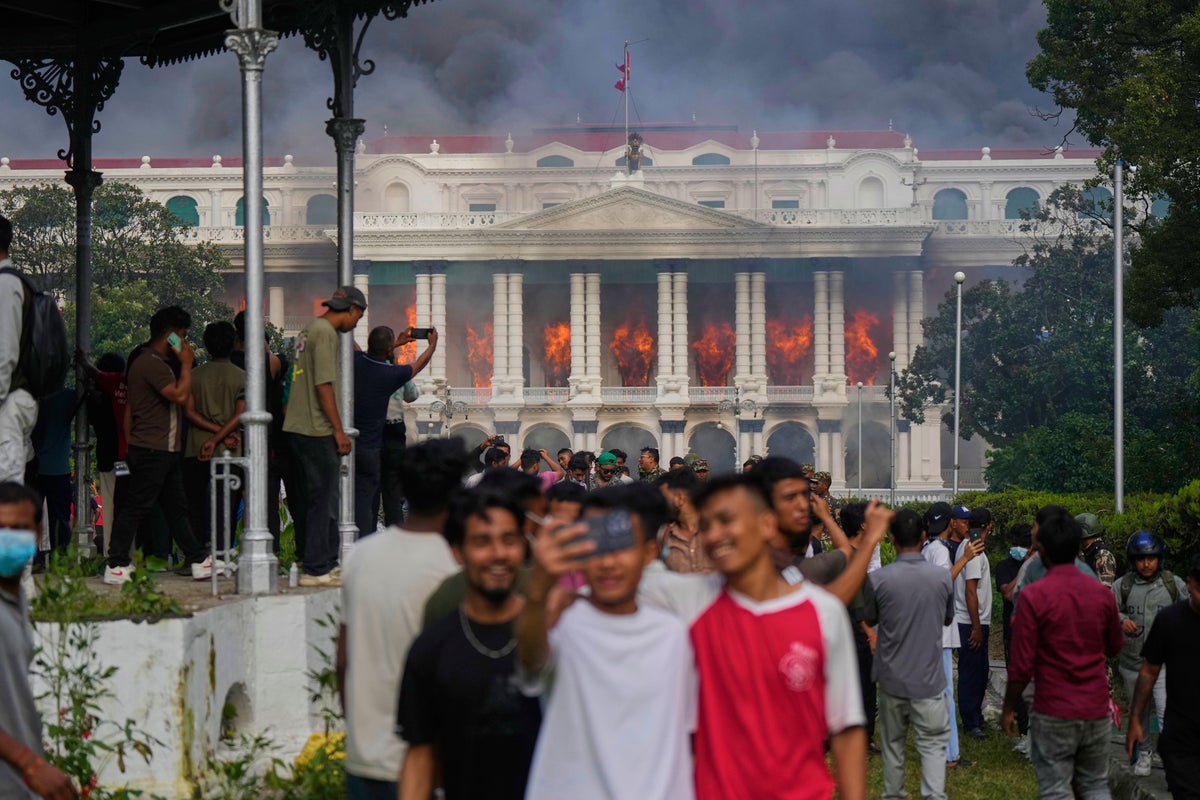
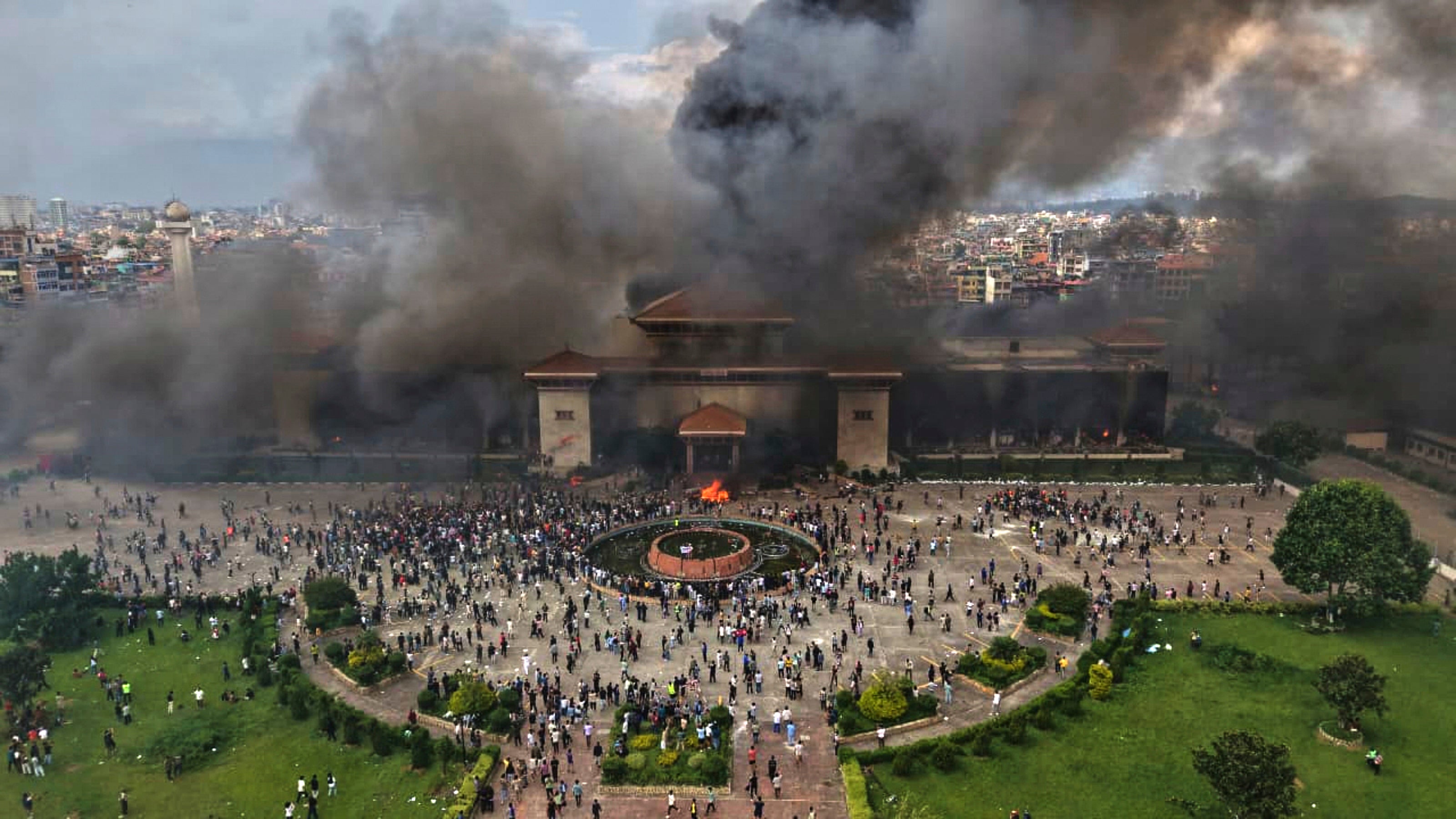
When Sri Lankans stormed the country’s presidential palace in 2022, the images shocked the world. In the three years since, similar upheaval has rippled across South Asia: mass protests overthrew Bangladesh’s government last year, and Nepal has now been hit by a youth movement that has seen its parliamentary estate torched.
At first glance, each crisis looks distinct: Sri Lanka’s financial meltdown and dynastic rule, Bangladesh’s spiralling inflation and unemployment, Nepal’s endless coalition quarrels and corruption scandals. But analysts say a common thread runs through all of them: broken governance, public resources siphoned off by elites, and a young generation of South Asians no longer willing to tolerate misrule.
And other countries in the region may go the same way, the analysts warn, if they don’t urgently address similar challenges.
“There are important country-specific factors, but [also] a common set of drivers,” Paul Staniland, a professor of political science at the University of Chicago, tells The Independent. “[These] include slow or slowing economic growth, governments seen as both corrupt and ineffective, and decentralised, quick-developing protest movements that are somewhat distinct from existing political parties.”
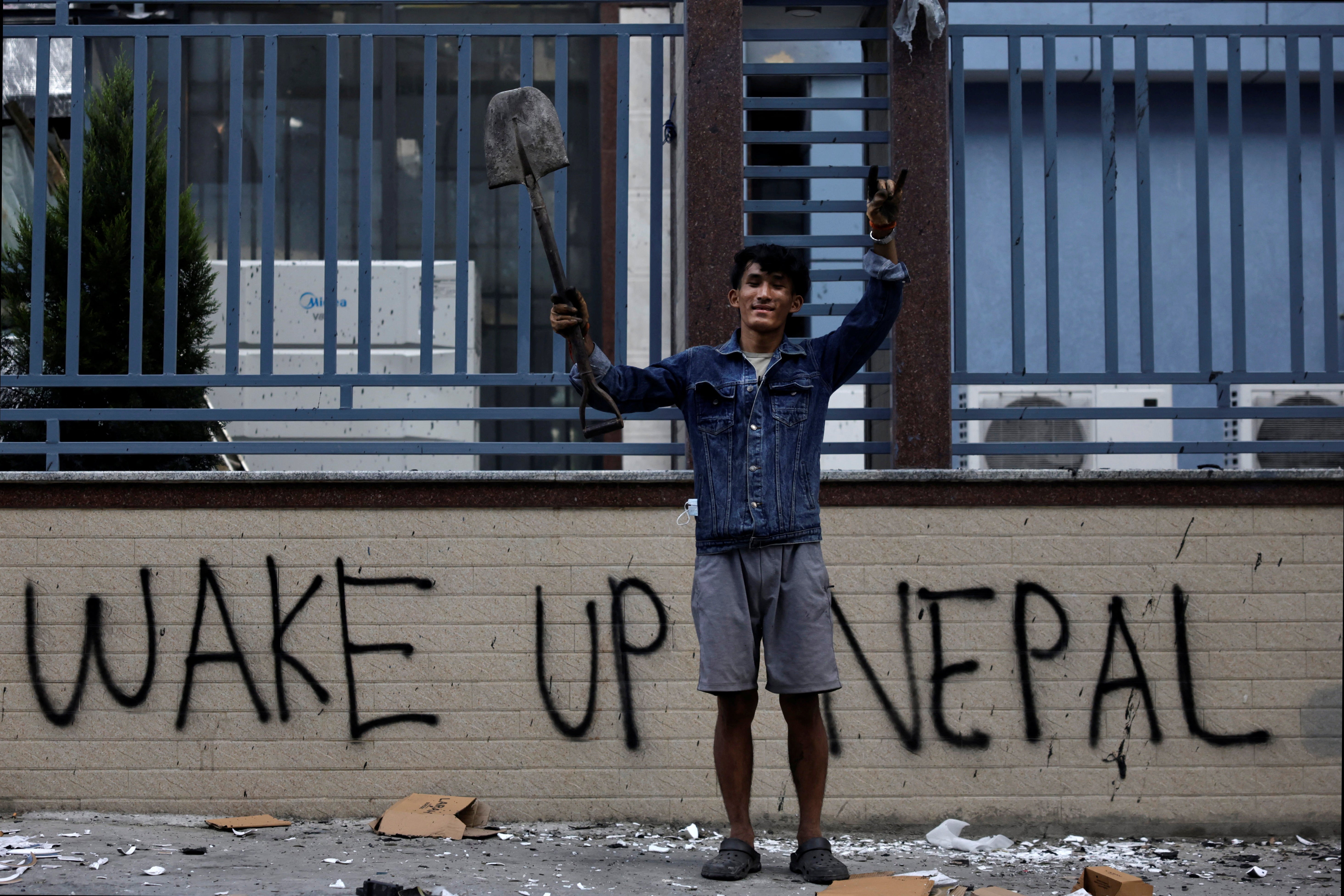
The uprising led by Gen Z that felled the government in Nepal, a Hindu-majority nation of around 30 million people wedged between India and China, was a storm long in the making. The government’s sudden ban on major social media platforms was only the match that lit the fire.
For years, young Nepalis had simmered with frustration at endless corruption scandals, fragile coalitions, and a political class seen as hopelessly out of touch. No prime minister had lasted a full term since the monarchy was abolished and the country declared a republic in 2008, and people had grown used to watching their governments crumble through backroom deals.
Online, outrage simmered over the privileges enjoyed by the children of politicians and bureaucrats – dubbed “nepokids” – who flaunted lavish lifestyles while ordinary citizens struggled. To a generation raised online, all this was proof that the system was rigged for the few.
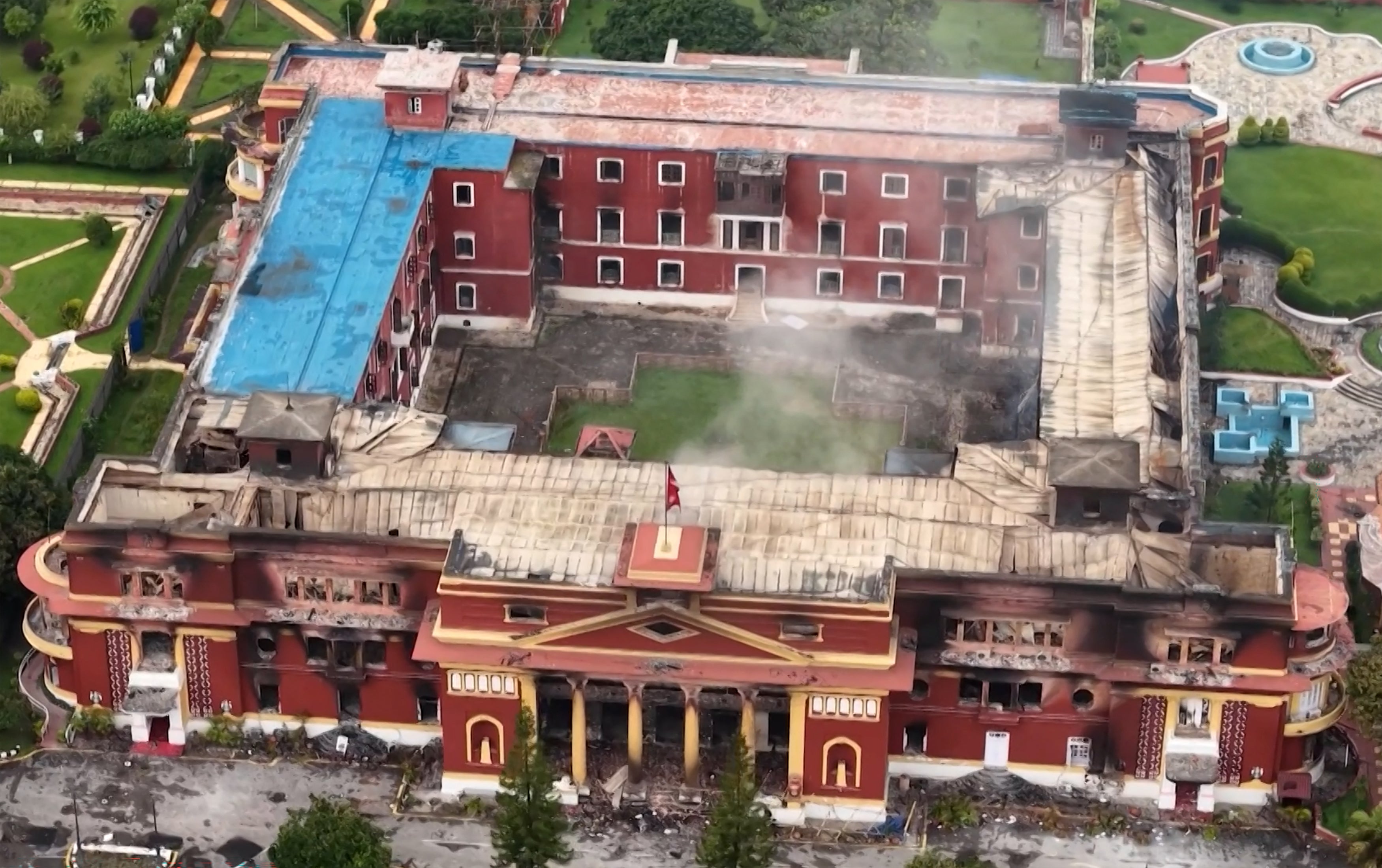
The ensuing unrest left at least 72 people dead, key government buildings torched, and prime minister KP Oli’s administration in tatters.
“In Nepal, the Generation Z–led movement emerged not spontaneously,” Komal Aryal, a lecturer in crisis and disaster management at Aston University, tells The Independent. “It was slowly growing, and nepokids facilitated it to accelerate. Apart from intelligence units of the Nepal army and armed police force, no one seemed aware of room-to-room communication taking place among young Nepalese people.”
Instead of engaging young people in constructive dialogue, the government imposed a ban on social media.
“This measure exacerbated existing frustrations, and the subsequent incident in Nepal might have been averted through more inclusive and participatory approaches,” says Aryal.
Mass unrest isn’t uncommon in South Asia, Staniland says, but its recent success in Sri Lanka, Bangladesh and Nepal is. Equally surprising is the dramatic political change the unrest has achieved.
But the big question is whether order can be restored, especially in Nepal, and a stable political dispensation forged. Aryal says those looking for answers about the future of Nepal will not find them in either Bangladesh or Sri Lanka.
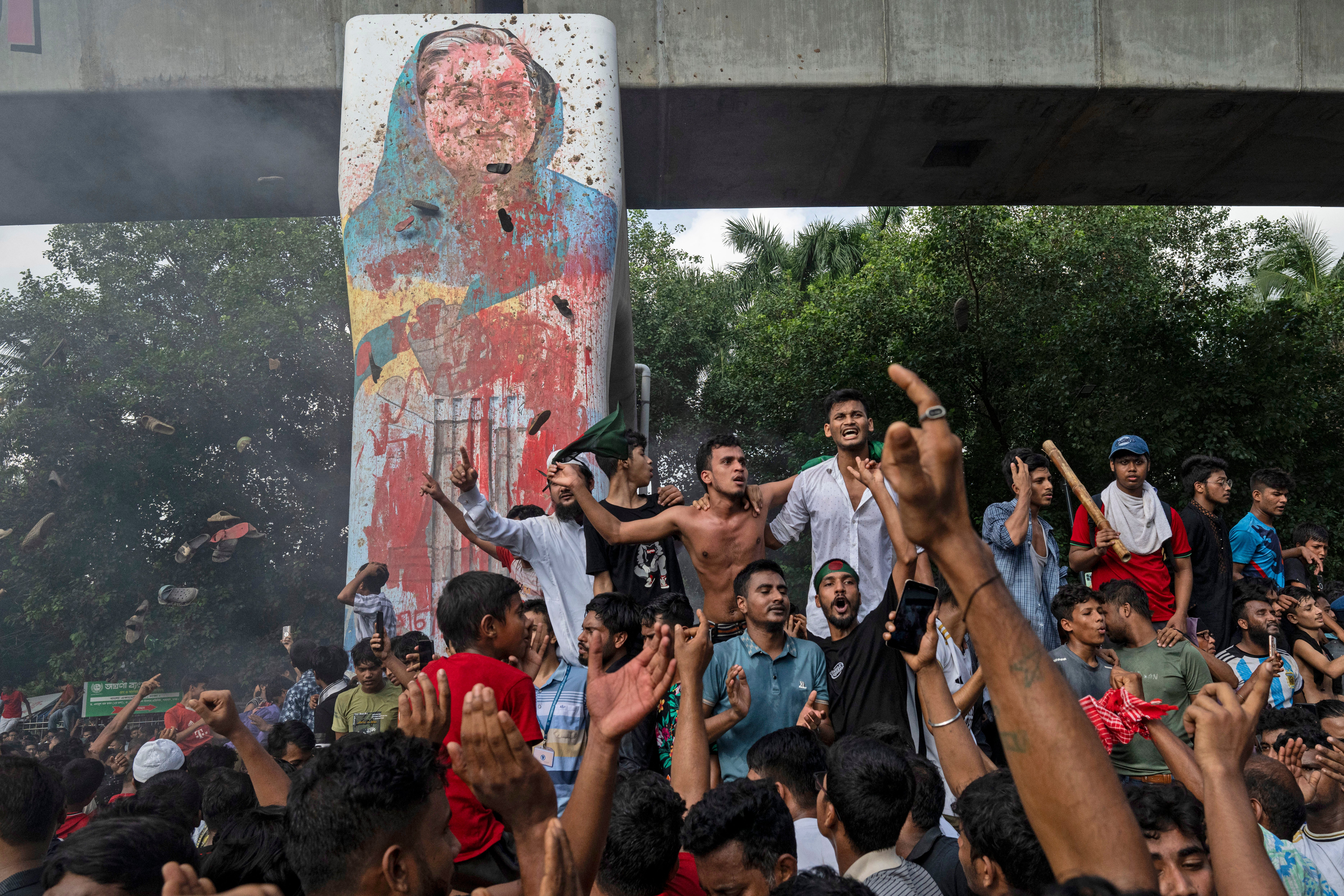
In Bangladesh, inflation collided with years of democratic backsliding. The clampdown on dissent by the Sheikh Hasina regime turned economic frustration into political rage, which was inflamed by a public jobs quota system seen as largesse for an influential constituency of the ruling party, and culminated in the end of Hasina’s 15-year rule after protesters stormed her residence, forcing her to flee by helicopter to neighbouring India.
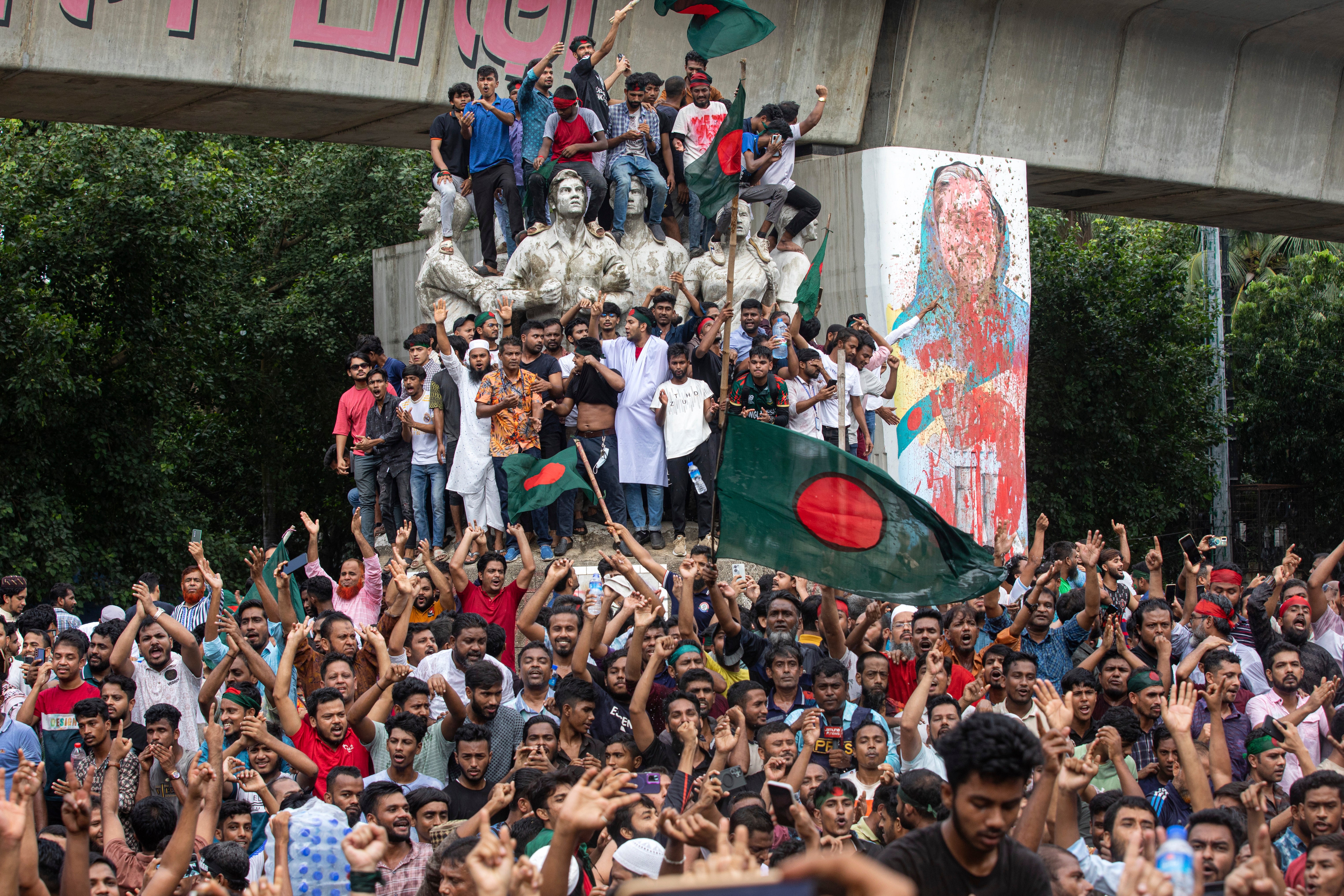
A year on, Bangladesh remains unstable, with no clear roadmap for the elections and constitutional reforms promised by the interim government of Muhammad Yunus.
The interim rulers are inclined to hold national elections next year, but political parties continue to bicker over the date.
“Youth and student movements are important in generating protests and political pressure,” Staniland notes. “The trickier thing for such movements is what happens next. They may not be very well equipped to offer a realistic reform agenda, or to implement it.”
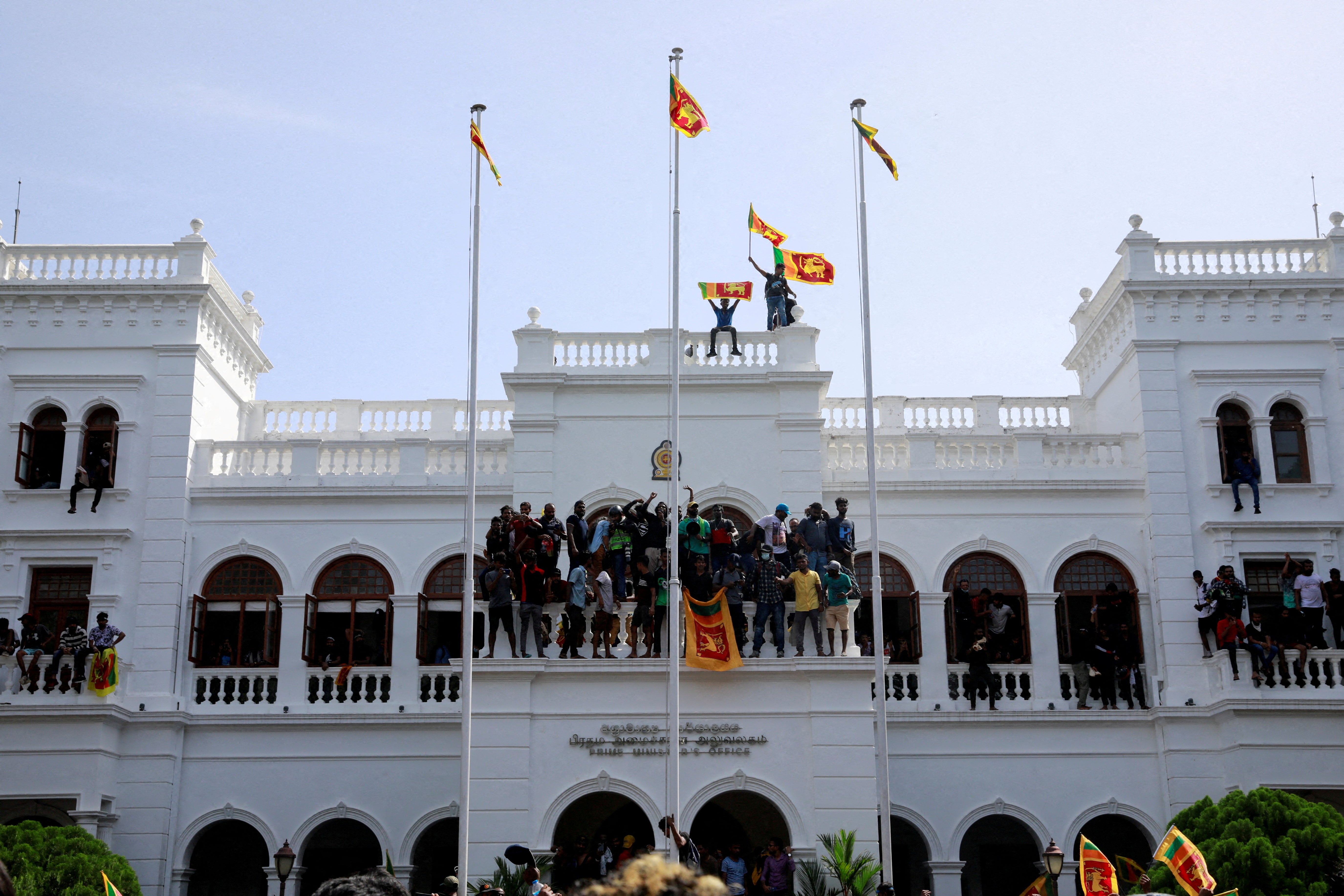
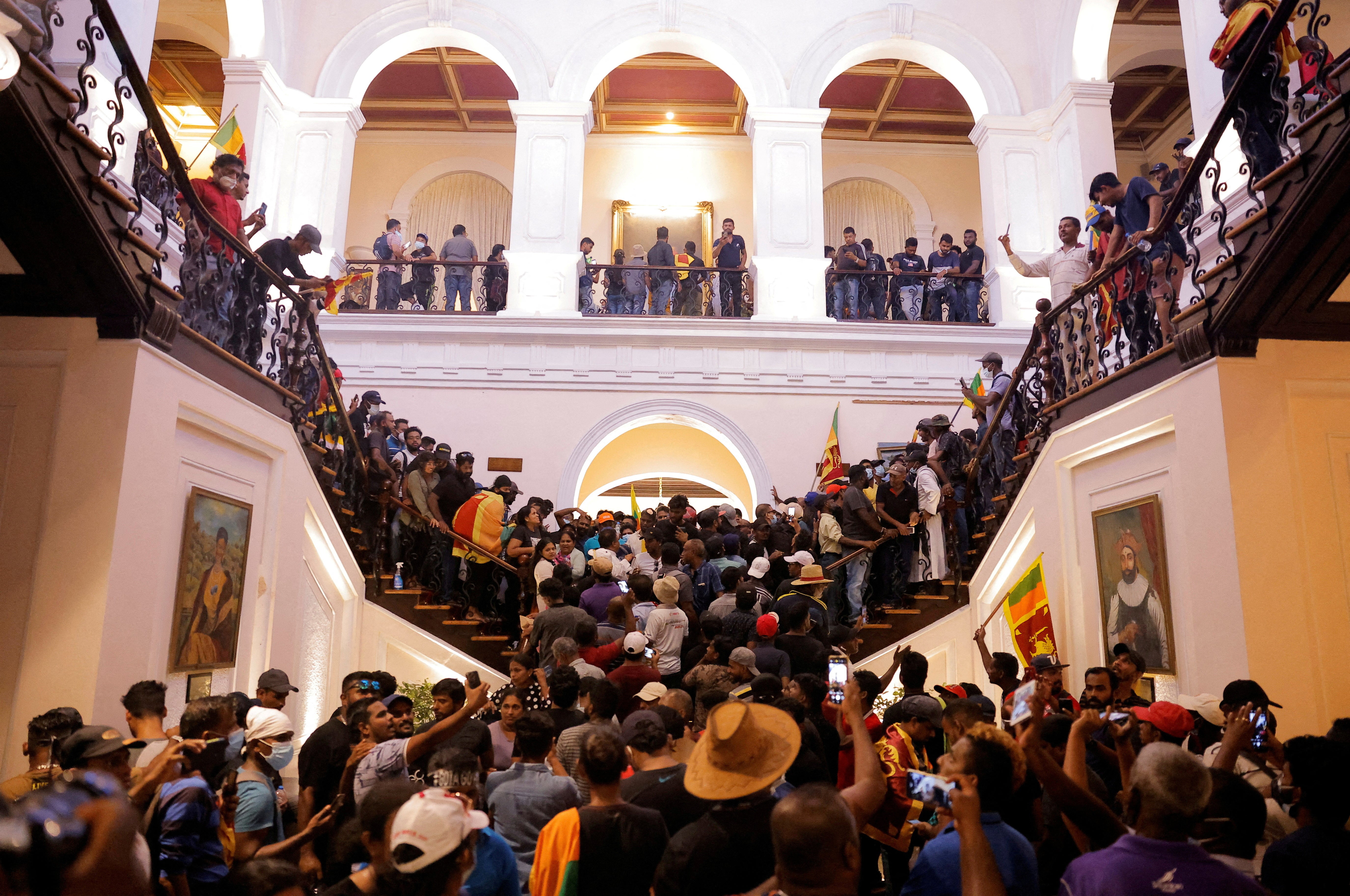
In Sri Lanka, where it all began in 2022, anger over inflation peaking at nearly 70 per cent, prolonged power blackouts, and severe fuel shortages was exacerbated by the ruling Rajapaksa family’s alleged mismanagement of foreign debt. Street protests duly erupted and forced prime minister Mahinda Rajapaksa, whose family had dominated Sri Lankan politics for almost two decades, to step down. Faced with a loss of legitimacy, his brother Gotabaya Rajapaksa, who was also the president, fled the country and formally resigned.
The island nation’s new government, elected almost a year ago, is trying to steer it out of the crisis, but the conditions that sparked the unrest are far from fully resolved.
Governments under pressure from within often blame outsiders. Hasina accused the United States of engineering her removal over strategic disputes in the Bay of Bengal. In Sri Lanka, Rajapaksa pointed to “foreign forces eyeing our national assets”.
But experts are sceptical.
Derek Grossman, professor of international relations at the University of Southern California, says “there isn’t any credible evidence” to suggest unrest in South Asia is fuelled by China, Pakistan or the US.
“What we do know is that any country featuring similar socioeconomic and governance conditions would be at higher risk,” he adds.
Staniland echoes this view. “There’s very little evidence of a major foreign role in any of these. If anything, I think external actors have been surprised and powerless to change the direction of these movements and their aftermaths.”
Aryal argues that outside forces are not entirely blameless. “In the case of Nepal, for a long time, India at first and now China, along with several Western countries – including influential UK universities, and even UN offices – have consistently lacked transparency in awarding opportunities meant for talented young Nepalese,” he explains. “Instead of reaching ordinary youth, these channels of support have been systematically captured by upper-class families and children of high-ranking government officials and political leaders.”
In any case, the lesson from South Asia’s recent upheavals is clear: suppressing dissent through force or draconian bans only intensifies anger. Governments that fail to engage a digitally native generation risk being blindsided by the next wave of unrest.
What makes the new wave of protests across South Asia unique, Aryal argues, is its generational character: Gen Z and Gen Alpha are demanding transparency, accountability and open-data governance. “Look to Taiwan and Singapore,” he adds, “where open-data practices have been integrated into digital democracy. Outside of them, no Asian state is seriously preparing for this challenge.”
That leaves South Asia’s future balanced on a knife edge. After Colombo, Dhaka and Kathmandu, where might the next eruption take place?
“These are not isolated storms. They are tremors in a faultline that runs across South Asia. Ignore them, and the quake will come sooner than you think,” Aryal warns.
Grossman says Pakistan is the most obvious candidate. Beset by debt, inflation and a brittle political order dominated by the military, its conditions echo – or perhaps even exceed – what drove people onto the streets elsewhere in the region.
The Maldives also looks fragile, he says, with its tiny economy, dependence on tourism, and rising political polarisation.
India, by contrast, may be the “only bastion of peace and stability on the subcontinent”, Grossman argues. But it, too, should look to the lessons learned from the upheaval to its north, east and south, if the government wants to avoid history repeating itself.