
Close Menu
  • Home
  • Editorial
  • Politics
  • Economic
  • Sports
  • Religion
  • Contact us
  • About Us
Donate
Hand picked for you
  • Bangladesh PM orders quarterly updates on 25 crore tree-planting drive
  • Bangladesh’s climate agenda: Turning investment into impact
  • Bangladesh Power Cuts Show Which Suppliers Keep Running
  • Climate resilience must shape Bangladesh’s economic decisions today
  • Bangladesh secures $447,000 in FAO grants for food safety, women-led green enterprises

Subscribe to Updates

Get the latest news from raznitee.

Reach out to us
  • Facebook
  • Twitter
  • Pinterest
  • Instagram
  • YouTube
  • WhatsApp
Facebook X (Twitter) Instagram
raznitee
Contact us
  • Home
  • Editorial
  • Politics
  • Economic
  • Sports
  • Religion
  • Contact us
  • About Us
raznitee
Facebook X (Twitter) Instagram
Contact us
Home»Corruption»Where does Bangladesh’s bureaucracy stand on the scale of ethical standards?
Corruption

Where does Bangladesh’s bureaucracy stand on the scale of ethical standards?

October 18, 2025No Comments2 Mins Read
Facebook Twitter Pinterest LinkedIn Tumblr Email
Prothomalo english2f2025 10 182fbtxdn5rq2fbureaucracy.avif.jpeg
Share
Facebook Twitter LinkedIn Pinterest Email

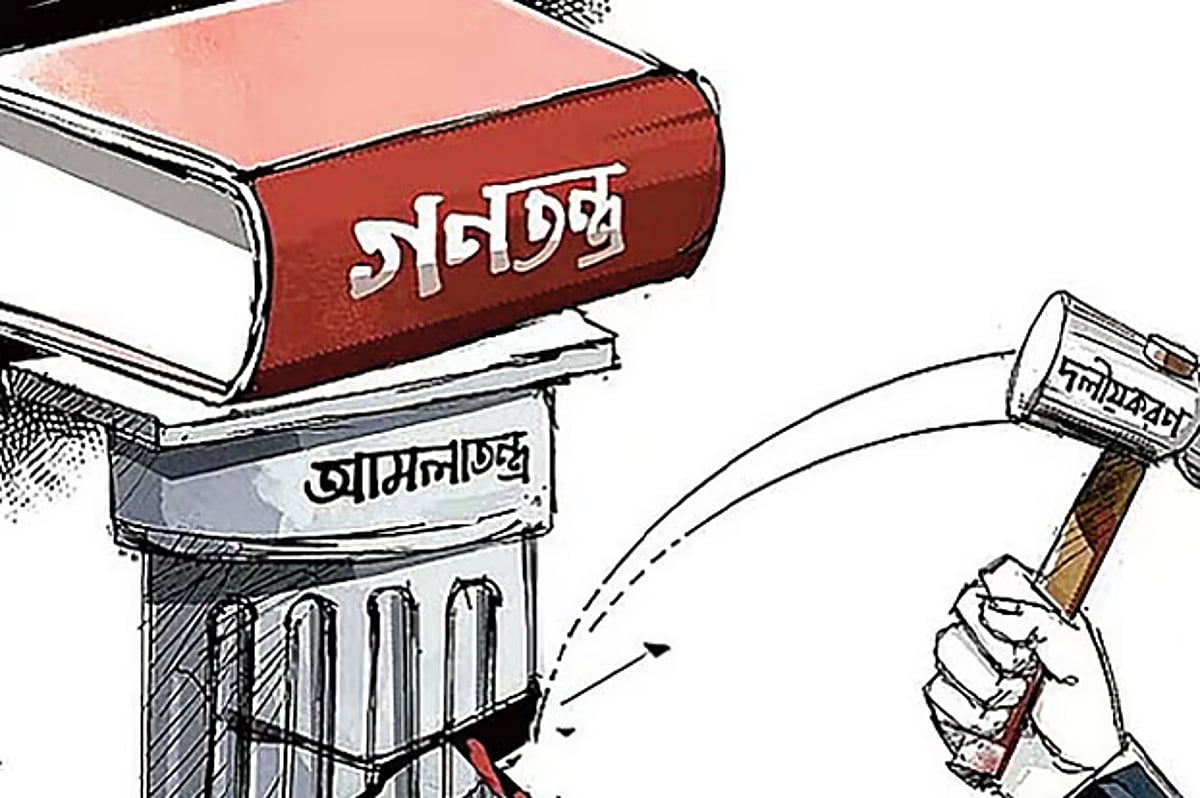
Building a culture of ethics within Bangladesh’s bureaucracy requires more than laws or policy directives. It demands practical and structural reform.
First, ethics and public service values must form the core of administrative training. Currently, institutions such as the Bangladesh Public Administration Training Centre (BPATC) and the Public Service Academy emphasize laws, regulations, and administrative procedures, but give little attention to ethical decision-making.

In the UK, civil service training includes a mandatory Ethical Leadership module, where officials discuss real-life moral dilemmas, such as how to uphold correct decisions under political pressure. Similarly, South Korea’s Anti-Corruption and Civil Rights Commission (ACRC) organises regular ethics workshops for public officials, institutionalising lessons in personal integrity, public interest, and ethical leadership.

If similar training initiatives were introduced in Bangladesh, it could gradually help reshape the mindset of bureaucrats toward integrity-driven and service-oriented governance.

Second, transparency and accountability must be strengthened through institutional reforms. Officials should be evaluated based on integrity, efficiency, and public service standards, removing political influence from promotions, transfers, and performance assessments. Singapore’s civil service can serve as an example, where despite high salaries, every decision is transparent, and a strict “zero tolerance” policy against corruption is effectively enforced.

Through the implementation of Whistleblower Protection Laws, officials can be encouraged to safely report misconduct, as has been done in South Korea and the United States. At the same time, launching e-governance and open data platforms can ensure citizen access to information and participation. India’s RTI Online and Estonia’s e-government model are successful examples of this approach.

Share. Facebook Twitter Pinterest LinkedIn Tumblr Email

Related Posts

Corruption Control in Bangladesh | Governance Reform: Anti-Corruption Strategies for the BNP

April 29, 2026

What does Bangladesh’s new government need to do to revitalize democracy?

April 29, 2026

Arrest of Former General Raises Questions on 2007 Bangladesh Interim Government

March 25, 2026

Bangladesh’s old new politics – Engelsberg ideas

March 25, 2026
Add A Comment
Leave A Reply Cancel Reply

Subscribe to Updates

Get the latest news from raznitee.

We are social
  • Facebook
  • Twitter
  • Pinterest
  • Instagram
  • YouTube
  • WhatsApp
Latest Posts

Bangladesh PM orders quarterly updates on 25 crore tree-planting drive

October 21, 2026

Bangladesh’s climate agenda: Turning investment into impact

October 21, 2026

Bangladesh Power Cuts Show Which Suppliers Keep Running

October 21, 2026
Follow us on social media
  • Facebook
  • Twitter
  • Pinterest
  • Instagram
  • YouTube
  • WhatsApp
Categories
  • Corruption (413)
  • Culture & Society (114)
  • Economic (1,916)
  • Environment (1,328)
  • Foreign Relations (359)
  • Health & Education (70)
  • Human Rights (5)
  • Politics (2,179)
  • Uncategorized (2)
Facebook X (Twitter) Instagram Pinterest Vimeo YouTube
  • About Us
  • Contact us
  • Disclaimer
  • Privacy policy
© 2026 Designed by raznitee.com

Type above and press Enter to search. Press Esc to cancel.