
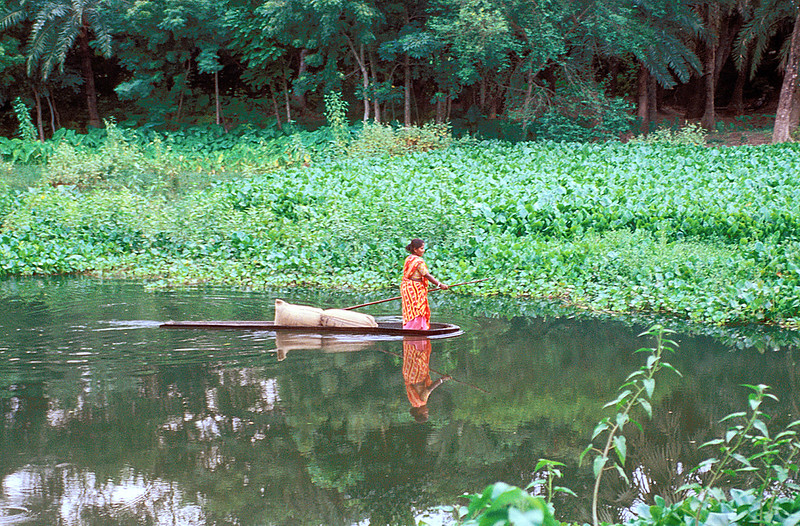
 Bangladesh is in the process of improving its sanitation standards by taking steps to decrease the impact of water pollution. As a result of the water resources secretary-level meeting in New Delhi in 2021, India and Bangladesh have since agreed to work together regarding water pollution, flood oversight and the shared rivers between the two countries.
Environmental Vulnerability and Water Pollution
Bangladesh is one of the most polluted countries in the world. Climate change causes extensive damage to Bangladesh’s environment through floods, cyclones and tidal surges. According to Harvard University, the land’s vulnerabilities are caused by the shoreline’s shape and its low-lying topography. As the landscape has been studied, the data reveal that toxins, including groundwater arsenic content between 2000 and 2019, negatively impact public access to clean drinking water.
Government Action on Sanitation and Waterways
Since then, the Bangladesh government has been determined to address the impact of water pollution in Bangladesh, toxic waterways and poor sanitation that cause inadequate public health in the country. Its waterways provide resources for food and hygiene throughout the country; however, chemical and plastic water pollution contaminates wetlands and rivers. After the meeting in New Delhi, it became evident that intervention from the local city government is imperative to repair the outdated water supply system installed by the British in 1963.
Arsenic Contamination and Seasonal Water Access
The impact of water pollution in Bangladesh dates to the 1970s, when water sourced from ground deposits absorbed arsenic. However, residents have effectively obtained clean water through rainwater collection in cisterns. The short period of heavy rainfall does not occur between April and May, making government organizations necessary to facilitate access to a clean water supply during the dry months. For the Bangladesh government, the solution to water contamination requires ending the use of tube wells, building water storage systems and replacing old pipelines that supply potable water to the population.
Urban Water Conservation in Rajshahi
Alternative sanitation systems have been implemented in the city of Rajshahi, west-central Bangladesh, where the city government discovered techniques that increase the productivity of water conservation. By creating systems and maintaining surface water with assistance from an urban infrastructure development project, 20 ponds in Rajshahi filled water reservoirs.
By conserving water resources, residents in the city now have reliable access to clean water, improving public health in the area. These developments have enacted further structural change by incorporating modern technology. “The city government authority has also enacted bylaws that compel businesses to use carbon capture and recycling technology and restrict water emissions.”
Industrial Pollution and Manufacturing Accountability
Based on data concerning toxic water pollution emissions from manufacturers, the BBC found that 80% of the nation’s exports contribute to toxic wastewater discharge into rivers. Customer concerns over the mishandling of chemical waste and employee safety have influenced the impact of water pollution in Bangladesh. Aldi, the textile manufacturer under scrutiny, now educates staff on proper chemical handling and wastewater disposal. Given that Bangladesh’s waterways serve a population of 163 million people, regulations of this significance serve as a blueprint for future manufacturers.
UNICEF and WASH Initiatives
The Bangladesh government is committed to improving public health and has outlined a plan to address outdated plumbing systems that contribute to inadequate sanitation. To implement these changes, the Bangladesh government partnered with the United Nations Children’s Fund (UNICEF) to implement a Sustainable Development Goal Water, Sanitation and Hygiene (SDG WASH) model oriented toward public health and safety. UNICEF’s goal is to install WASH facilities to serve children and vulnerable populations in rural communities.
Over the years, UNICEF found that untreated sewage threatened Bangladesh’s access to freshwater resources while intensifying the impact of water pollution in Bangladesh and the spread of disease.
WASH services provide safe water and sanitation materials while making those resources readily available. These facilities improve sanitation by promoting essential hygiene protocols that contribute to public health and reduce disease transmission.
Scaling Rural Sanitation Systems
Plans to scale and oversee water networks in rural communities are in progress. Bangladesh aims to focus on modern toilet installations and updated sanitation facilities. Despite limited grant funding from development partners such as U.N. agencies, UNICEF can help Bangladesh raise service standards through appropriate procedures. Integrating testing before launching systems provides insight into the most effective approach for expanding access to safe drinking water and essential hygiene facilities. Given the strategic nature of these systems, other underdeveloped countries may use Bangladesh as a blueprint for advancing sanitation and public health.
– Lala McCullough
Lala is based in Brentwood, CA, USA and focuses on Global Health for The Borgen Project.
Photo: Flickr