
Published on
January 31, 2026

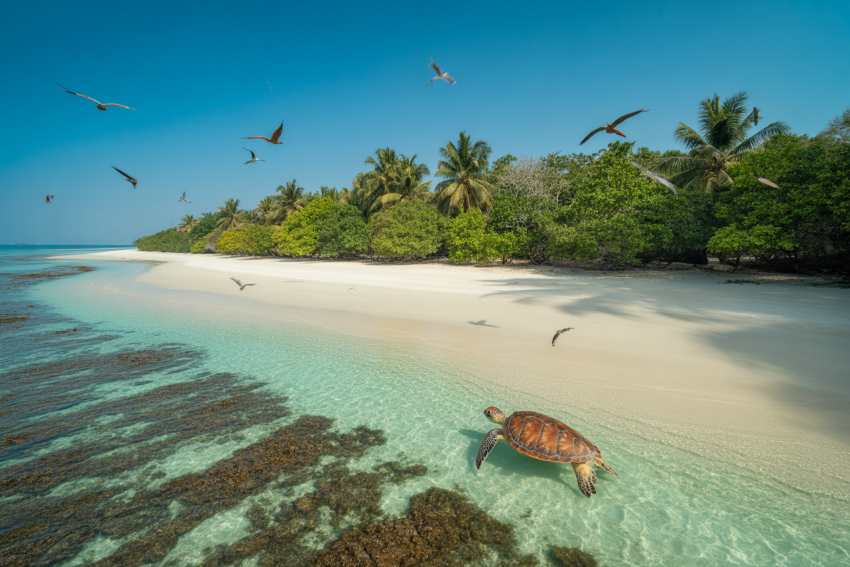
Saint Martin’s Island, the only coral island in Bangladesh nestled in the Bay of Bengal, will be closed to tourists for nine months starting February 1. This decision, made by the Ministry of Environment, Forest, and Climate Change, is part of a vital conservation effort. The goal is to give the island’s fragile ecosystem a chance to heal, allowing its rich biodiversity—such as corals, sea turtles, and marine birds—to recover and thrive.
A Temporary Halt in Tourism
The closure, which takes effect after January 31, will see the island’s tourist season cut short by several months. Normally, the island is open to visitors from October 1 to March 31, but this year, the season will end abruptly on January 31. The short duration of the tourist season this year was a direct response to increasing environmental concerns, including the impact of unregulated tourism activities on the island’s natural resources.
From December to January, Saint Martin’s Island welcomed a limited number of tourists, with only 2,000 visitors permitted daily. To maintain control over the number of tourists, a registration system was put in place, and no entry was allowed without prior approval. Despite these measures, the local tourism sector saw significant losses due to the shortened season and strict regulations. Business owners, especially those operating tourism-related services, have expressed concerns about the severe financial strain caused by the curtailed tourism activities.
Environmental Protection Measures
The closure has been initiated in response to growing environmental risks that have been linked to uncontrolled tourist activities. The government has highlighted the importance of protecting the island’s biodiversity, which includes unique marine species such as sea turtles, oysters, king crabs, and coral reefs. To reduce the human impact on these ecosystems, several restrictions were imposed, including the prohibition of night lighting on beaches, loud music, and large-scale events such as barbecue parties. Furthermore, entry into the island’s protected forest areas has been strictly banned.
Advertisement
Advertisement
Tourists were also advised to bring reusable water bottles instead of single-use plastics, and the collection or sale of fruits from the island was prohibited. Additionally, the use of motorized vehicles, including motorcycles, was banned from the island’s beaches. These regulations were introduced to prevent any further harm to the natural environment and to encourage responsible tourism.
A Struggle for Local Business Owners
Advertisement
Advertisement
The closure has left local business owners, who had invested heavily in the tourism sector, feeling disillusioned. They had been expecting a longer tourist season, which would have helped them recover from the economic losses experienced due to the COVID-19 pandemic. Many local entrepreneurs have emphasized the necessity of balancing environmental protection with economic survival. They have called for the island to remain open for at least five months each year, with a controlled number of visitors, to support both the environment and the local economy.
Despite the disappointment felt by business owners, the government has assured that the closure is necessary for the long-term preservation of the island’s ecosystem. The authorities believe that the nine-month hiatus will provide an opportunity for the biodiversity of Saint Martin’s Island to regenerate, reducing the pressure that tourism has placed on the environment. By limiting human interference, it is hoped that natural habitats, especially those of endangered species like sea turtles, will have the chance to recover and flourish.
The Future of Saint Martin’s Island
Saint Martin’s Island’s environmental closure is expected to play a vital role in restoring the balance of its ecosystem. The long-term goal of this conservation measure is to reduce the negative impacts caused by over-tourism and unsustainable practices, thus ensuring that future generations can enjoy the island’s natural beauty. In the absence of tourists, it is anticipated that marine species will have a chance to thrive, providing a healthier and more resilient environment.
The government has indicated that should conditions improve or if further evaluation of the situation is required, the closure may be revisited. However, for now, the focus remains on the protection of Saint Martin’s fragile ecosystem. As tourism gradually resumes, it will be essential for stakeholders to consider sustainable practices to minimize the environmental footprint while supporting the local economy.
Challenges in Balancing Tourism and Conservation
The closure has also sparked discussions about the balance between conservation efforts and the local community’s economic needs. While environmental protection is critical, many have pointed out the importance of ensuring that the livelihoods of those dependent on tourism are not overlooked. There is growing recognition that sustainable tourism models, where visitor numbers are controlled and environmental impact is minimized, could provide a viable solution.
In the future, it is hoped that Saint Martin’s Island will be able to reopen with enhanced measures in place to support both its natural environment and the local economy. The government may consider a more extended and regulated tourist season with capped numbers, alongside stricter monitoring of tourism activities to ensure that sustainability is at the forefront.
The Importance of Environmental Awareness in Tourism
The closure of Saint Martin’s Island highlights a growing need to balance tourism with environmental conservation. As global destinations face increasing pressure from visitors, it becomes essential for governments and the tourism industry to work together to protect natural resources while sustaining local economies.
While Saint Martin’s Island is closed for now, this conservation effort raises important questions about the future of sustainable tourism. The hope is that by prioritizing the island’s biodiversity, this initiative will set a positive example for other destinations facing similar challenges, ensuring a healthier balance between nature and tourism for years to come.
