
When Gita Gopinath, former deputy managing director of the International Monetary Fund (IMF), recently stated at Davos that pollution kills millions of Indians annually and makes investors hesitant, she was accused of being unpatriotic. But the uncomfortable truth is, if stating facts about environmental degradation is considered unpatriotic, then we are choosing nationalist sentiment over national survival.
Gopinath’s central message was economic reality: pollution costs India between five to nine percent of GDP through health losses and reduced productivity. Bangladesh faces an equally severe reality.
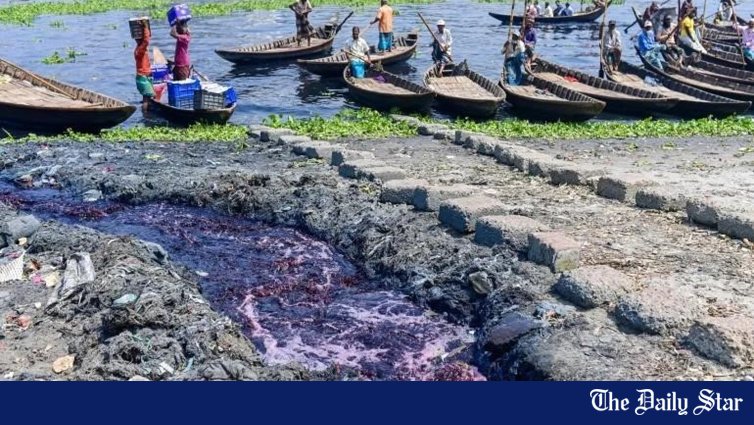
Bangladesh ranks second globally for air pollution and harbours the world’s largest arsenic groundwater contamination crisis, affecting 50 million people, and our rivers are systematically degraded through industrial and untreated sewage. The Dupi Tila aquifer, located beneath the Madhupur Clay, is rapidly running out of water. The recent November 2025 5.7 magnitude (M) Narsingdi earthquake revealed that seismic waves were amplified in places due to anthropogenic modification of the subsurface. These are physical realities operating according to chemical and geological principles that do not yield to political pressure.
Such environmental degradation directly influences national economic performance, as when companies move capital, they move people—executives, technical experts, skilled workers. If environmental conditions threaten health, high-value investment hesitates regardless of tax incentives. This is why environmental restoration must be comprehensive, requiring four integrated elements: compliance, decisive action, restoration, and sustainability.
Compliance means enforcing environmental standards based on scientific understanding. Bangladesh has environmental laws; what is missing is consistent enforcement. Decisive action indicates moving beyond studies to actual implementation. Restoration means actively remediating contaminated sites, not accepting existing contamination as permanent. Sustainability signifies maintaining environmental quality while meeting development needs.
A practical, cost-effective measure to convert contaminated industrial sites into restored landscapes is EPA (Environmental Protection Agency) corrective action frameworks adapted to local conditions. It starts with identifying hotspot sources through compliance inspections, facility assessments, and systematic site characterisation using geophysical methods integrated with targeted drilling. Then, pollution is controlled through chemical and biological treatment of wastewater and industrial effluents, potentially including constructed wetlands for additional treatment before discharge.
Pollution is later contained using engineered barriers with locally available clay materials; biological barriers using biochar and indigenous microbes; pump-and-treat systems; in-situ treatment technologies; bioremediation with native plant species; and monitored natural attenuation where appropriate. These approaches, detailed in EPA’s regulatory framework, have successfully restored thousands of sites globally while building local technical capacity.
So, real patriotism would be fixing problems, not shooting messengers. When environment experts validate concerns about river degradation, when seismologists warn about earthquake vulnerability, when researchers document arsenic poisoning, they present evidence and recommend solutions based on data, not political convenience.
Bangladesh’s choice is stark. We can face our crises with courage, implementing comprehensive management based on the four aforementioned elements—compliance, decisive action, restoration, and sustainability—or we can continue with rhetoric about sustainable development while practising environmental destruction until crisis forces restoration under far more difficult conditions.
Dr Ahad Chowdhury is a geologist, currently teaching at Jefferson Community and Technical College in Louisville, Kentucky.
Views expressed in this article are the author’s own.
Follow The Daily Star Opinion on Facebook for the latest opinions, commentaries, and analyses by experts and professionals. To contribute your article or letter to The Daily Star Opinion, see our guidelines for submission.