
Close Menu
  • Home
  • Editorial
  • Politics
  • Economic
  • Sports
  • Religion
  • Contact us
  • About Us
Donate
Hand picked for you
  • Corruption Control in Bangladesh | Governance Reform: Anti-Corruption Strategies for the BNP
  • What does Bangladesh’s new government need to do to revitalize democracy?
  • Bangladesh Nationalist Party claims victory in country’s first election since 2024 uprising
  • BBCTwo protests, two elections: How Nepal's Gen Z succeeded where Bangladesh's stumbledBut nearly two years on, Bangladesh's youth movement has yet to gain any meaningful political power. In the country's first post-protest….3 weeks ago
  • Is Bangladesh killing reforms introduced after student-led protests? | Politics News

Subscribe to Updates

Get the latest news from raznitee.

Reach out to us
  • Facebook
  • Twitter
  • Pinterest
  • Instagram
  • YouTube
  • WhatsApp
Facebook X (Twitter) Instagram
raznitee
Contact us
  • Home
  • Editorial
  • Politics
  • Economic
  • Sports
  • Religion
  • Contact us
  • About Us
raznitee
Facebook X (Twitter) Instagram
Contact us
Home»Politics»Bangladesh politics remains rigged against women: The Daily Star
Politics

Bangladesh politics remains rigged against women: The Daily Star

February 16, 2026No Comments3 Mins Read
Facebook Twitter Pinterest LinkedIn Tumblr Email
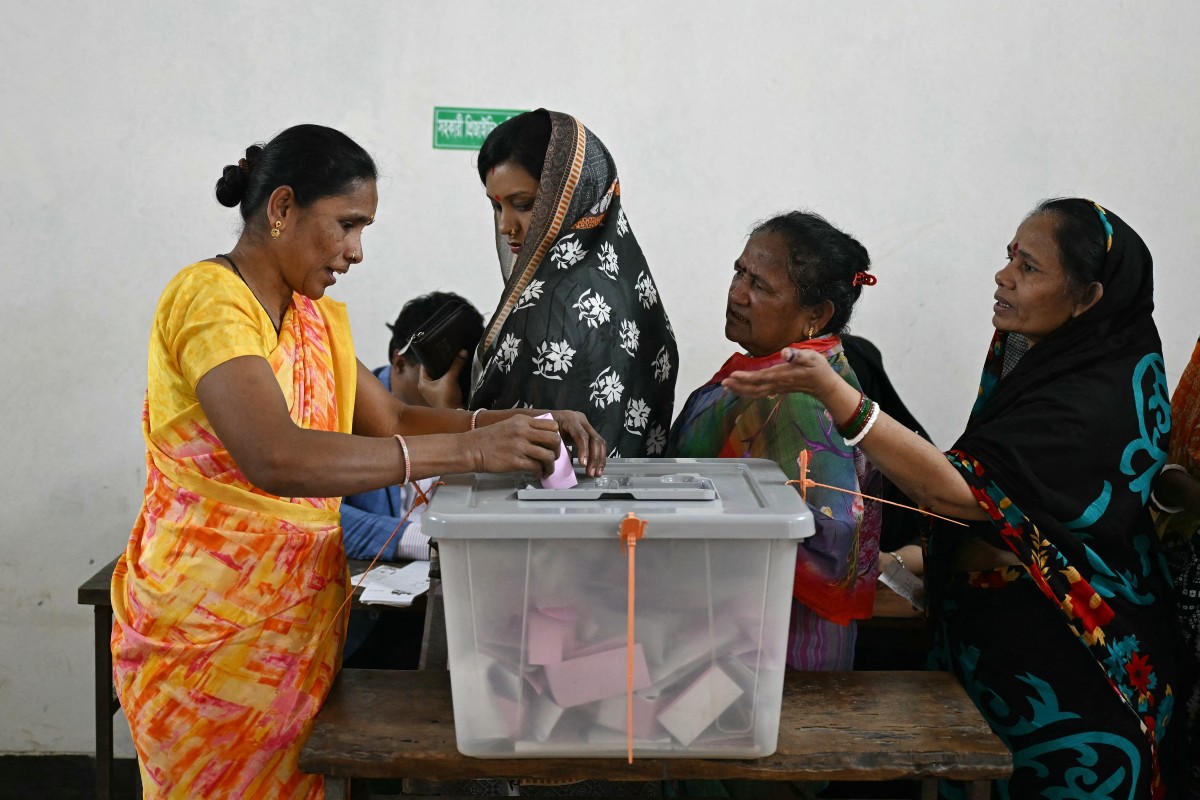
Afp 20260212 976n36j v3 midres bangladeshpoliticsvote.jpg
Share
Facebook Twitter LinkedIn Pinterest Email

February 16, 2026

DHAKA – As the dust settles on Bangladesh’s 13th National Parliamentary Election, with the Election Commission (EC) declaring the 297 candidates elected to our parliament, a major source of disappointment remains: the systematic lack of women’s political participation. While a total of 85 women contested the polls last Thursday, including 66 with party nominations and 19 as independent candidates, only seven have been elected. Of the seven candidates, only one is independent; the rest are from BNP. Furthermore, as per pre-election stats from the EC, nearly a third of female candidates were relatives of influential men. Although in the ninth parliament, 21 women were directly elected, the total number of female contestants in this election was the highest on record. These numbers put the low participation of women politicians in perspective.

Myriad factors are cited by those who attempt to deny that a systemic exclusion of women persists in Bangladesh’s politics. But when a party announces outright that it will not include women in roles of leadership in a post-uprising Bangladesh, we must acknowledge the urgency of this problem.

Women played a crucial role in the ousting of the Awami League regime in 2024, yet hardly any female representatives were included in the July National Charter consensus discussions. When male politicians were subjected to enforced disappearance by Sheikh Hasina’s regime, it was the women in their families who led the fight for justice for years. The requirement by the Representation of the People Order, 1972, for political parties to reserve at least 33 percent of committee posts for women, including at the central level, was also not heeded by the major political parties in this election. Unsurprisingly, the recommendation by the Women’s Affairs Reform Commission to increase the number of reserved seats for women to 100 with direct elections was not accepted by political parties. Meanwhile, promises and sentiments about women’s empowerment by contesting politicians sound more like rote than out of a genuine wish to improve the persisting imbalance.

We hope the new parliament will actively work to advance women’s political participation as per the existing legal framework, including ensuring significant participation in local government polls. It should go without saying that this is expected of all parliamentary members, not just female representatives. When women are kept out of parliament by design, women’s issues move further down the government’s list of priorities. It is a dire threat to the practice of democracy itself when the inclusion of one half of the population is treated as optional.

Share. Facebook Twitter Pinterest LinkedIn Tumblr Email

Related Posts

Bangladesh Nationalist Party claims victory in country’s first election since 2024 uprising

April 26, 2026

BBCTwo protests, two elections: How Nepal's Gen Z succeeded where Bangladesh's stumbledBut nearly two years on, Bangladesh's youth movement has yet to gain any meaningful political power. In the country's first post-protest….3 weeks ago

April 26, 2026

Is Bangladesh killing reforms introduced after student-led protests? | Politics News

April 26, 2026

Bangladesh’s political reset and the regional ripple effect

February 27, 2026
Add A Comment
Leave A Reply Cancel Reply

Subscribe to Updates

Get the latest news from raznitee.

We are social
  • Facebook
  • Twitter
  • Pinterest
  • Instagram
  • YouTube
  • WhatsApp
Latest Posts

Corruption Control in Bangladesh | Governance Reform: Anti-Corruption Strategies for the BNP

April 29, 2026

What does Bangladesh’s new government need to do to revitalize democracy?

April 29, 2026

Bangladesh Nationalist Party claims victory in country’s first election since 2024 uprising

April 26, 2026
Follow us on social media
  • Facebook
  • Twitter
  • Pinterest
  • Instagram
  • YouTube
  • WhatsApp
Categories
  • Corruption (413)
  • Culture & Society (114)
  • Economic (1,916)
  • Environment (1,320)
  • Foreign Relations (359)
  • Health & Education (70)
  • Human Rights (5)
  • Politics (2,179)
  • Uncategorized (2)
Facebook X (Twitter) Instagram Pinterest Vimeo YouTube
  • About Us
  • Contact us
  • Disclaimer
  • Privacy policy
© 2026 Designed by raznitee.com

Type above and press Enter to search. Press Esc to cancel.