
Bangladesh’s gas crisis is splitting its apparel suppliers into two groups, factories that make their own power and factories that wait for the grid. Western retailers sourcing there this winter will want to know which group their orders sit with.
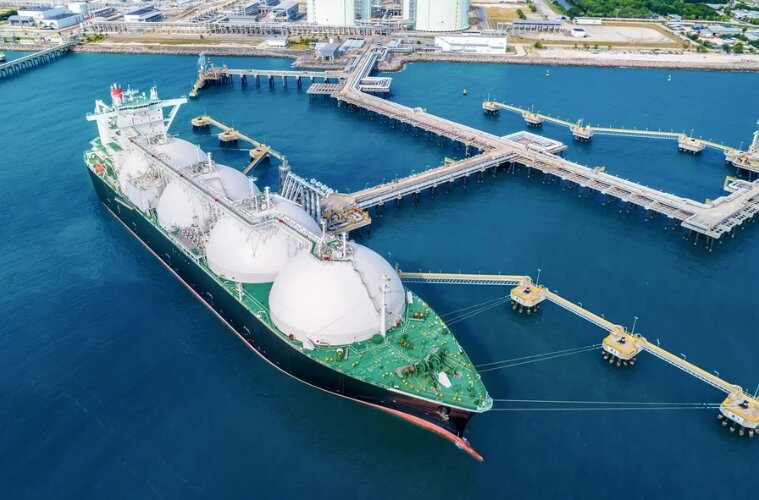
Bangladesh runs much of its power system and its textile industry on natural gas, and a growing share of that gas arrives as imported liquefied natural gas (LNG). Imports have been hit twice this year, first by the Middle East conflict that cut Qatari shipments and then by trouble at the country’s own import terminals. QatarEnergy has told buyers in Bangladesh and Pakistan that force majeure on their deliveries runs into November.
Whole Industrial Districts Went Dark in August
The damage was already visible by mid-August. Gas reaching Bangladesh’s grid fell to about 2,030 million cubic feet per day against demand near 3,850, the Dhaka Tribune reported on August 15, after a floating LNG terminal at Maheshkhali shut following a fire. In Gazipur, a garment hub north of Dhaka, about 525 factories stopped. Roughly 80% of textile, dyeing and printing units in Narsingdi and Madhabdi closed, and the steelmaker BSRM shut all 10 of its major plants.
The effects reached order books within weeks. Of 134 knitwear factories surveyed after the cuts began, 55% said buyers had cancelled or cut orders and 78% had partly halted production, Prothom Alo reported on September 22. One exporter said a Canadian buyer trimmed an expected 25,000-piece order to 8,000.
One Supplier Kept Running on Its Own Generation
4A Yarn Dyeing, outside Dhaka, shows what the other group looks like. The company, which supplies Walmart, Gap and Next and employs nearly 7,500 people, has generated its own electricity since 2019. Solar panels cover about 40% of its needs, with on-site gas and diesel generators supplying most of the rest. It plans an industrial-scale battery system to bridge several hours if every other source fails.
That setup is not free. Costlier diesel has raised 4A’s production costs by 2% to 3% and its monthly fuel bill by about $40,950 (5 million taka), after Bangladesh raised fuel prices by up to 17.4%. The company says it has absorbed the increase, and a co-owner said not every factory can. Another exporter told Reuters that smaller firms face the worst of the gas and power problems.
Questions That Separate Resilient Suppliers From Exposed Ones
For a sourcing team, the useful information is physical. A buyer should learn how much of a supplier’s power comes from its own generation, solar or batteries, and how many days of diesel it keeps on hand. It also helps to know whether the dyeing and finishing steps, among the most energy-intensive steps in apparel production, happen in the same plant or at a subcontractor plugged into the grid.
Those details are easy to miss when energy and sourcing information live in separate systems built for different purposes. Collecting them now, while August’s closures are still fresh, gives buyers a working map of where their orders are most likely to stall.
Rival Sourcing Countries Stand to Gain
Competitors are watching. Industry leaders quoted by the Dhaka Tribune warned that late shipments could push buyers toward India, Vietnam, Cambodia, Indonesia and Pakistan. A denim executive told Reuters that rivals in Vietnam and India face milder energy problems. Apparel accounts for more than 80% of Bangladesh’s export earnings, so any lasting shift of orders would hit far beyond the factory gate.
For buyers, the near-term choice is less about leaving a country than about where volume sits within it. Moving volume toward suppliers that control their own power is a decision for this winter’s allocation. Left to a strategy cycle that runs well behind events, it arrives after the next round of closures. As energy problems travel further down supply chains, the plants that invested in their own generation before August are positioned to win share from the ones that did not.