
Highlights
- Sreemangal and Tetulia temperatures drop below 10°C.
- The BMD predicts that January 2025 will likely bring severe cold waves.
- Global warming intensifies unpredictable, harsher winters in Bangladesh.
As winter sets in, Bangladesh is already experiencing the first waves of cold, though not yet in its harshest form.
The Bangladesh Meteorological Department (BMD) has forecast temperatures plunging as low as 4°C in parts of the northwestern, northeastern, and central regions.

This year’s chill is fueled by global climate change and shifting regional weather patterns, signaling a tough winter ahead for millions across the country.
The temperatures in Sreemangal and Tetulia have dropped below 10°C, indicating that a cold wave has started in these two districts. However, other parts of the country are experiencing mild cold.

Yesterday, a light drizzle occurred in coastal areas, but it was brief. Plus, it was a mix of sun and fog.
According to the BMD forecast, there is a low chance of a cold wave affecting most parts of the country for the remainder of this month, except for a few areas.
In the capital and most other regions, mild cold will likely continue. The beginning of the new year in January might see a nationwide cold wave which could persist in various parts of the country.
Today, the temperature in the southern part of the country may rise by 1-2°C. However, temperatures in Barishal, Khulna, and Chattogram may decrease slightly, resulting in a more intense cold. Temperatures in other parts of the country are expected to remain unchanged. The skies in coastal areas might remain somewhat cloudy.
Meteorologist Bazlur Rashid from the Meteorological Department told the media yesterday that some clouds from the sea are moving inland, which is preventing the cold winds from reaching the country in full force.
“There is no significant threat of a cold wave across the country for the rest of this month, but isolated cold waves may still occur in a few areas.”
According to BMD observations, the minimum temperature in most parts of the country increased by 1-2°C yesterday. However, the temperature in Sreemangal decreased slightly to 8.9°C. Tetulia recorded a temperature of 9.4°C. The capital’s minimum temperature was 15.1°C.
The forecast also said fog may start to form in various parts of the country from today. Especially in the riverbank areas, light to moderate fog may occur from evening until early morning.
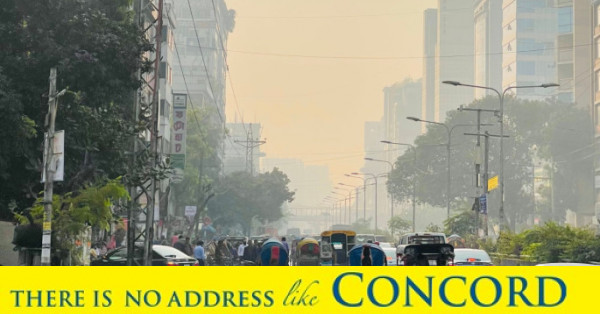
Experts say that when fog increases, the air quality generally tends to deteriorate. According to observations of the global air monitoring organisation AirVisual, the air quality in the capital was unhealthy for most of yesterday.
A record of bitter cold
Bangladesh may be known for its tropical climate, but its northern regions have experienced some bone-chilling winters that have gone down in history.
The lowest temperature ever recorded in the country was in Tetulia, Panchagarh, where the mercury dropped to a freezing 2.6°C on 8 January, 2018.
Before Tetulia’s record-breaking moment, Srimangal in Moulvibazar held the title for the coldest temperature recorded—2.8°C in 1968 when Bangladesh was East Pakistan. Known for its lush tea gardens, Srimangal’s winter that year resembled conditions more typical of higher altitudes.

Dinajpur, another northern district, has also seen its fair share of cold waves. The district recorded a temperature of 3.2°C in 2013, causing significant disruptions to agriculture and posing severe risks to vulnerable populations.
These historic cold spells have consistently highlighted the challenges faced by communities unprepared for such extremes.
This year, the northern districts are already feeling the effects of an early winter. On 7 December, Naogaon’s Badalgachhi upazila recorded the season’s lowest temperature so far at 9.9°C (Bangladesh Meteorological Department). Though not as extreme as Tetulia’s 2018 record, this marks the beginning of what could be a colder-than-average season.
The BMD predicts that January 2025 will likely bring severe cold waves, with temperatures in Panchagarh and Tetulia expected to drop to around 4°C, while Chuadanga and Rajshahi may see temperatures hovering between 4°C and 5°C. Naogaon is also predicted to experience sustained cold spells with temperatures potentially falling below 5°C.
Tetulia, perched near the Himalayan foothills, remains the front runner for experiencing the coldest temperatures. The coming weeks could see the mercury dip below 5°C.
Similarly, Chuadanga and Naogaon are expected to face prolonged cold snaps, with temperatures staying in the single digits. These conditions not only disrupt daily life but also increase the risk of cold-related illnesses and agricultural challenges.
Dhaka: A different kind of winter
In Dhaka, the winter season presents its own unique challenges. Although temperatures in the capital rarely drop below 11°C as per the data from BMD, the combination of high humidity and poor air quality amplifies the discomfort.
For those living in informal settlements or without adequate insulation, even these relatively mild temperatures can feel severe. Moreover, the city’s winter air often exacerbates respiratory issues, adding another layer of difficulty for residents.
Preparing for the upcoming days
With colder days ahead, experts and authorities are urging residents to take necessary precautions.
Wearing multiple layers of warm clothing and ensuring proper insulation indoors are crucial to staying warm.

Nutrition also plays a vital role during the cold season; consuming warm foods, including soups and herbal teas, can help maintain body temperature and boost immunity.
There are some stepping up efforts from concerned authority to distribute blankets and winter clothing to the most vulnerable communities.
Additionally, healthcare facilities must prepare for an uptick in cold-related illnesses such as pneumonia, asthma, and hypothermia.
For those reliant on traditional heating methods like charcoal or kerosene, proper ventilation is essential to avoid hazards such as carbon monoxide poisoning. Community support and awareness campaigns can also help mitigate the impact of harsh winters on underprivileged populations.
What lies ahead
Bangladesh’s winters have become increasingly unpredictable due to the effects of global warming. While cold waves were once considered rare occurrences, they are now becoming more frequent and severe.
This underscores the need for long-term strategies to adapt to changing weather patterns.
Investments in improved housing, resilient agricultural practices, and robust healthcare systems will be critical to addressing the challenges posed by colder winters.
As January approaches, all eyes are on the northern districts, where the cold is expected to bite the hardest.