
Raquel Gurgel | 30 May, 2025
Last modified: 2 June, 2025*
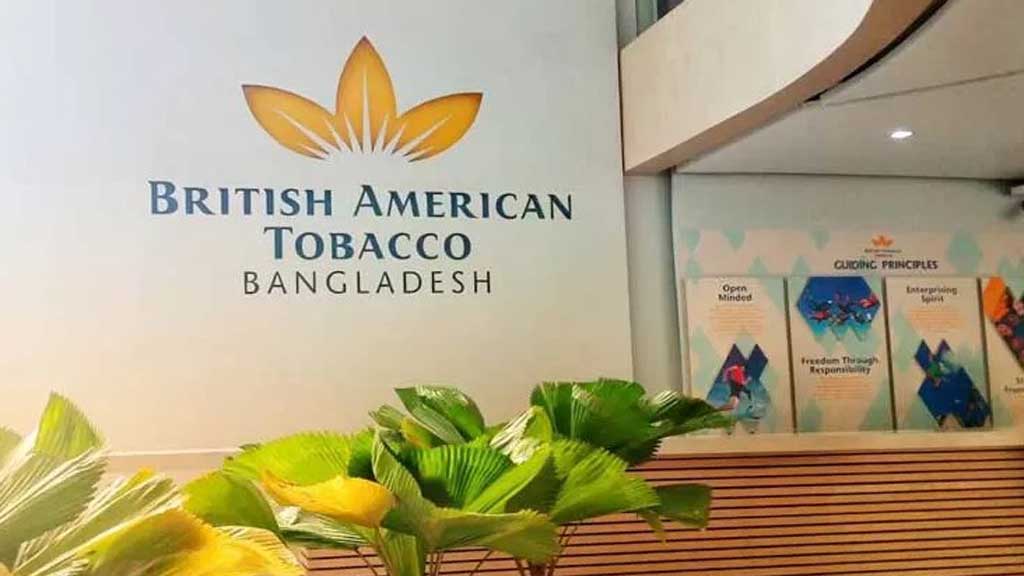
Photo: BAT Bangladesh Office / Reproduction
BAT Bangladesh must vacate its head office and factory premises in Mohakhali, a central district of Dhaka, the nation’s capital. The Supreme Court has rejected its appeal to extend the land lease agreement with the Dhaka Cantonment Board.
The Mohakhali facility, established in 1965 as the company’s second factory in the country, is situated next to an upscale residential area, near a major shopping mall and several educational institutions. The company had operated on the site under a 30-year renewable lease, with a maximum term of 90 years. After the board declined to grant the final 30-year renewal, BAT pursued legal action, asserting its contractual rights.
Earlier this month, the Bangladesh Poribesh Andolon (Bangladesh Environment Movement) called for the plant’s immediate removal, citing its role in severe environmental degradation. The group argues that such a high-risk industrial operation has no place in a crowded urban neighborhood, where its emissions are especially harmful to vulnerable groups such as children, women, and the elderly. The BNTTP report adds to mounting evidence of the factory’s environmental and health threats.
Meanwhile, a report released in May by the Bangladesh Network for Tobacco Tax Policy (BNTTP) examined the environmental and public health impacts of the facility. Authors Mahrukh Mohiuddin and Nayeem Muhammad Abdullah reviewed official records, including government reports, legislation, and environmental assessments, and uncovered a number of violations of key environmental standards.
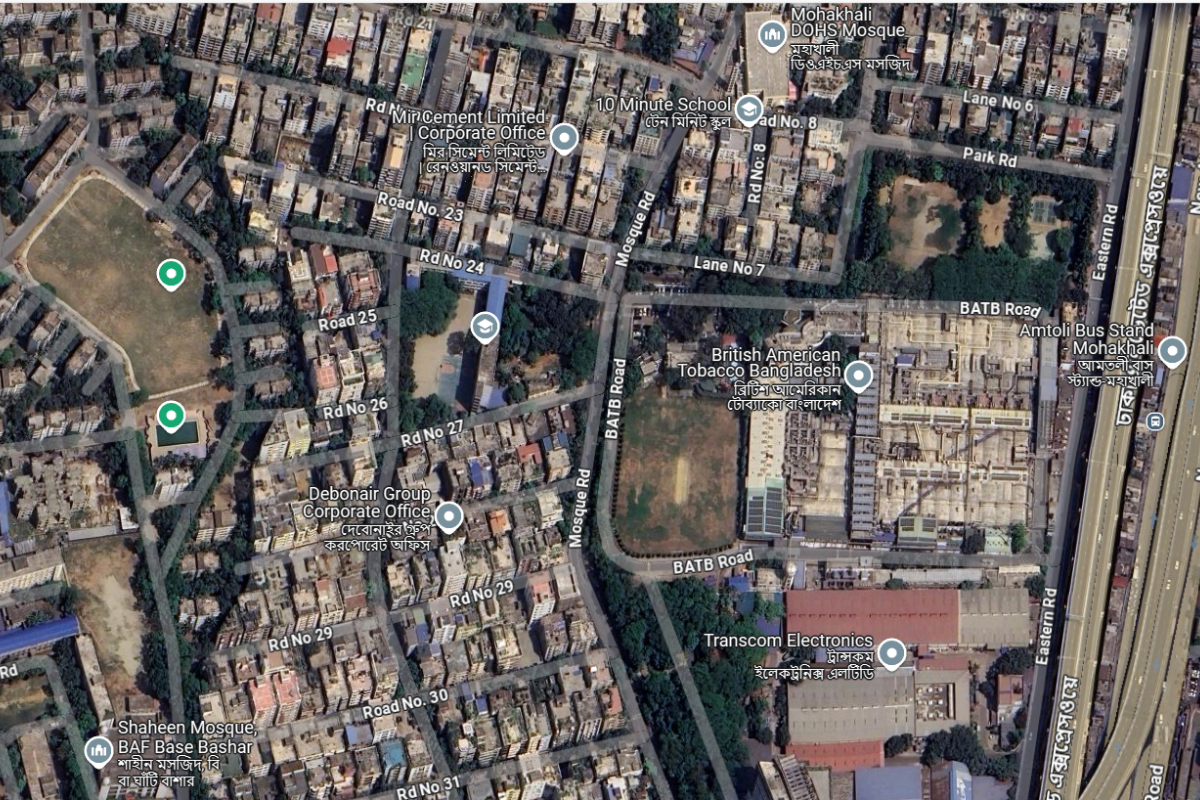
Photo: BAT Bangladesh Factory in Mohakhali / Google Maps
Regulatory Landscape and Industry Influence
Environmental oversight in Bangladesh is governed by the Environment Conservation Act, enacted in 1997 and amended in 2023. Under the original regulations, tobacco manufacturing was categorized as a “Red Category” industry – denoting severe environmental and health risks – and its presence in residential areas was strictly prohibited. However, the 2023 revision reclassified tobacco factories under the “Orange” category, which applies to activities with significant but more manageable impacts, and entails less stringent restrictions.
According to the report, public health advocates and anti-tobacco advocates believe this reclassification was the result of sustained lobbying by the tobacco industry. The authors point to the industry’s extensive political influence, noting that BATB has enlisted top government officials onto its board of directors. Among them are the Prime Minister’s Principal Secretary, the Senior Secretary of the Prime Minister’s Office, and the Secretaries of the Industries, Labour, and Defence Ministries.
Recommendations
As a signatory to the WHO Framework Convention on Tobacco Control (WHO FCTC), Bangladesh is bound by Article 18, which calls for the protection of the environment and health of individuals involved in tobacco growing and production. The report’s authors stress the urgent need for the government to implement the treaty provisions to mitigate the industry’s environmental harm throughout the entire production chain.
They recommend strengthening environmental regulations and enforcing stricter pollution controls. This includes tighter oversight of air and water contamination, regulation of harmful chemicals used in tobacco cultivation, and proper disposal of industrial waste. The report also calls on the government to impose penalties for non-compliance and invest in monitoring and enforcement systems.
* The
Read the full report:
Mohiuddin M, Abdullah NM. The Environmental Harm of the Tobacco Factory in Residential Areas of Bangladesh. Dhaka: Bangladesh Network for Tobacco Tax Policy; 2025. Available from:
* Update: The text was revised to include the Supreme Court’s decision.