
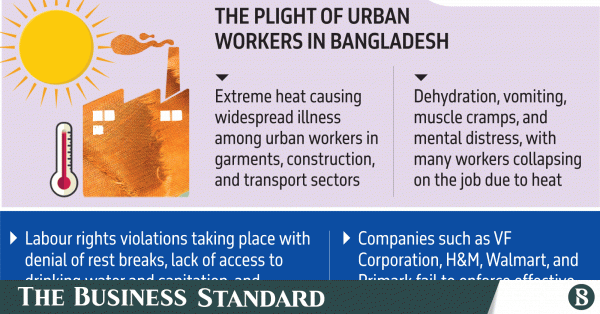
A new report by Climate Rights International has warned that extreme heat, fuelled by global greenhouse gas emissions, is endangering the health and livelihoods of Bangladesh’s urban workforce – particularly those in Dhaka’s garment, construction, and transport sectors.
Workers are collapsing, falling ill, and even dying under extreme heat, while governments and corporations fail to ensure basic safety or adaptation measures.
The report, titled “My Body Is Burning”: Extreme Heat and Labor Rights in Bangladesh, paints a dire picture of the human toll of climate change intersecting with widespread labour exploitation.

Based on interviews with over 50 workers in three of Dhaka’s most heat-exposed sectors – garment, construction, and transportation – the report documents systemic health risks, neglect, and abuse in the face of rising temperatures.
In 2025, the heat index in Dhaka soared to nearly 48°C (118°F), prompting health alerts across the capital. But for thousands of low-wage workers, staying indoors was never an option.
Many said they experienced dehydration, fainting spells, and even temporary vision loss while working through the heat. Some reported colleagues collapsing or dying on the job.
A climate crisis Bangladesh didn’t cause
“Bangladesh is being hit hard by extreme heat resulting from a climate emergency it did almost nothing to cause,” said Brad Adams, Executive Director of Climate Rights International. “This is climate injustice in a nutshell.”
While industrialised countries like the United States, China, and members of the European Union are historically responsible for most greenhouse gas emissions, Bangladesh remains among the nations most severely impacted.
The report outlines widespread accounts of heat-related illness among workers. Several workers said they had fainted on the job – some more than once. Mental distress was equally severe, with workers reporting anxiety, hopelessness, and fear that they might die while working.
These conditions don’t just pose health risks – they disrupt livelihoods.
Workers said they moved more slowly in the heat and often had to extend working hours by up to 50% just to complete tasks. Many ended their shifts early due to illness, losing wages they couldn’t afford to miss.
“The clothes we wear every day—including the ones you’re wearing right now—may have been sewn by someone who collapsed or lost consciousness on the job,” said Adams. “That reality should disturb all of us.”
Labour rights violations deepen the crisis
Climate Rights International found that extreme heat is compounded by labour rights abuses that strip workers of the ability to protect themselves. Workers reported being denied breaks, forced into unpaid overtime, and threatened or verbally abused when they tried to rest.
Others described not having access to safe drinking water or toilets – leading many to restrict water intake and risk dehydration or urinary tract infections.
The fear of retaliation kept many silent. Workers said they felt unable to complain or advocate for safer conditions. This culture of silence, paired with systemic abuse, has left them dangerously exposed to worsening heat.
In some sectors, like construction and app-based delivery services, the risks are even starker.
Delivery riders for foodpanda Bangladesh, a subsidiary of Delivery Hero, described riding long hours through suffocating heat with little protection and low pay. Construction workers, too, reported inadequate access to toilets and clean drinking water, with no heat safeguards in place.
Multinational brands under scrutiny
International corporations that benefit from Bangladesh’s cheap labour are failing to shield their supply chains from climate risks, the report says. While some global apparel brands have introduced basic heat protection policies, enforcement is minimal and insufficient.
Multinational brands sourcing from Bangladesh – including VF Corporation (parent of The North Face and Timberland), H&M, Walmart, and Primark – were named in the report. Though many have workplace safety policies, enforcement remains weak, and workers reported suffering despite supposed safeguards.
“Multinational brands continue to demand fast production and low prices,” the report states, “with little regard for the human costs on the ground.”
Government action still lacking
Bangladesh’s labour laws contain basic protections, but enforcement is inconsistent and excludes most informal workers – who make up about 85% of the workforce.
The report urges the government to establish and enforce national workplace heat standards and calls on wealthy, high-emission countries to support climate adaptation in Bangladesh, as promised under the Paris Agreement.
The release of the report comes at a turning point for the country. Following the Awami League’s removal from office in August 2024, the interim government has pledged labour reforms and is expected to ratify long-delayed ILO conventions on occupational safety.
“With national elections on the horizon and temperatures climbing year after year, the next phase of Bangladesh’s recovery offers a rare opportunity to embed meaningful protections for workers into law,” said report author Cara Schulte.
“Businesses and governments have an obligation to protect workers from the growing threat of extreme heat,” Schulte added. “Employers and multinational corporations should work in tandem with the Bangladesh government to monitor heat safety, protect workers, and uphold their rights. Doing so will be critical to the future of public health, worker well-being, and the global economy.”