
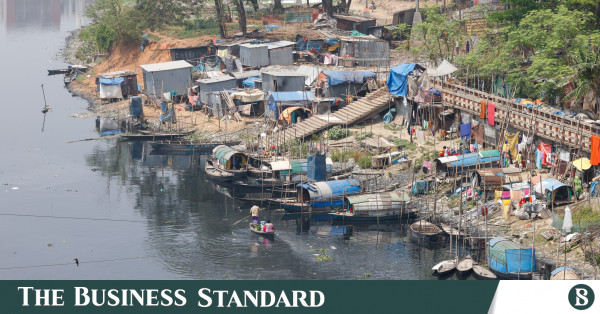
Research, which examined pollution trends in 10 heavy metals from 2001 to 2020, paints a dire picture of the nation’s waterways
File photo of Turag River. Photo: Syed Zakir Hussain
“>

File photo of Turag River. Photo: Syed Zakir Hussain
A new comprehensive study has revealed alarming levels of heavy metal pollution in Bangladesh’s rivers over the past two decades, urging immediate action to control and reverse the damage.
The research, published in ‘Environmental Science and Pollution Research’ on 12 July, examined pollution trends in 10 heavy metals (arsenic, lead, cadmium, chromium, iron, manganese, copper, cobalt, nickel and zinc) from 2001 to 2020, painting a dire picture of the nation’s waterways.
Environmental Science and Pollution Research is an academic journal published by Springer, which is part of Germany-based Springer Nature.

The study was conducted by a team of experts, including Debasish Pandit and Mohammad Mahfujul Haque, and it systematically reviewed 55 documents following Preferred Reporting Items for Systematic reviews and Meta-Analyses (PRISMA) criteria.
The findings indicate that pollution levels in the last decade (2011–2020) were significantly worse than those observed between 2001 and 2010.
The research focused on rivers across three major divisions: Dhaka, Rajshahi, and Chattogram, where the presence of most heavy metals was found to be above the threshold limits set by the World Health Organization (WHO), the United States Environmental Protection Agency (USEPA), and Bangladesh’s Department of Environment.
The mean concentration of arsenic, lead, cadmium, chromium, iron, and manganese exceeded acceptable limits during all three seasons, with the highest contamination occurring during the summer months.
Notably, the Buriganga River has been identified as the most polluted river in Bangladesh. Buriganga, which runs through the heart of Dhaka, has been heavily affected by industrial activities, including tanneries, textiles, and electroplating factories.
These industries discharge untreated effluents loaded with heavy metals directly into the river, creating an environmental crisis that has worsened over the years.
Key sources and call for action
The study identified multiple sources of heavy metal pollution, which include natural weathering processes as well as anthropogenic activities.
Fertilisers and pesticides from agriculture, mining, electroplating, textiles, coal mining, and industrial wastes such as batteries and paints are significant contributors to the contamination of river water.
These pollutants accumulate in the ecosystem, threatening aquatic life, human health and the environment.
The research highlights the urgent need for stronger legislation and more effective enforcement to curb pollution.
Its recommendations include continuous monitoring, comprehensive research, and awareness campaigns to educate industries and the public on the importance of protecting water resources.
Experts are calling for an integrated approach to river basin planning and management, which focuses on sustainable solutions. Without immediate intervention, Bangladesh’s rivers—vital for the livelihood of millions—may become irrevocably damaged.
“The high levels of toxic heavy metals in our rivers, especially in regions like Dhaka, pose a serious threat to public health and the environment,” said one of the co-authors, Mrityunjoy Kunda. “To protect future generations, we must act now.”
The study serves as a stark reminder of the escalating environmental challenges in the Anthropocene era, where human activity has become the dominant influence on the planet’s climate and ecosystems.
Protecting rivers in Bangladesh is not only a matter of preserving biodiversity but also of securing the nation’s long-term water security and public health.