
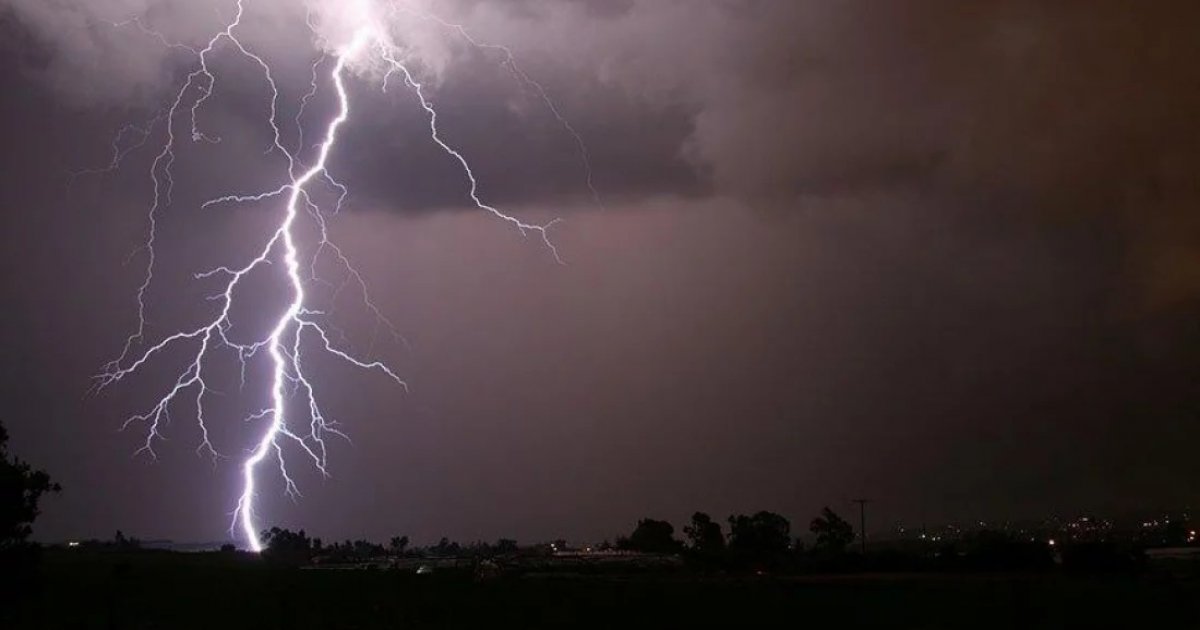
The frequency and intensity of lightning are set to increase in Bangladesh in the coming years, with rural people most at risk due to limited access to early warning systems and protective infrastructure, a climate expert has warned.
“Communities in rural and remote areas, often engaged in outdoor activities like farming and fishing, remain at high risk due to limited access to early warning systems and protective infrastructure,” senior meteorologist and climate expert Dr Md Abdul Mannan told BSS on Monday.
He said Bangladesh faces an elevated risk of lightning-related disasters as climate change intensifies atmospheric instability. The number of thunderstorms and lightning strikes is expected to rise, particularly during the pre-monsoon season, due to higher Convective Available Potential Energy (CAPE) levels and unstable weather conditions.
Dr Mannan predicted that areas previously less affected by lightning may experience more frequent events as climatic conditions become increasingly conducive to thunderstorms. He noted Bangladesh is witnessing a troubling rise in lightning-related fatalities, with over 300 deaths reported annually, making it one of the most lightning-prone countries in the world.
At least eight people were killed in lightning strikes across four districts on October 5.
Explaining the drivers behind the trend, Dr Mannan said global warming is pushing up temperatures, leading to higher CAPE. Several studies project a 45 percent increase in CAPE during the Bangladesh pre-monsoon season, heightening the risk of intense thunderstorms.
He added that worsening air quality, exacerbated by regional pollution, is contributing to increased lightning activity, as research shows a strong link between elevated pollution levels and higher strike rates. The removal of tall trees, which previously acted as natural lightning rods, has also left rural communities more exposed.
Bangladesh’s location in the Indo-Gangetic Plain makes it particularly vulnerable to intense pre-monsoon thunderstorms, the meteorologist said. A combination of high humidity, rising temperatures and atmospheric instability during this season creates ideal conditions for frequent lightning events.
According to a recent regional study, Bangladesh records the highest number of lightning-related deaths per square kilometer in South Asia. Despite its small size, the country’s dense rural population and reliance on outdoor livelihoods heighten its vulnerability. The study identifies the pre-monsoon season — especially between 4:00 p.m. and 6:00 p.m. — as the peak period for lightning activity.
Bangladesh Meteorological Department data show an average of 300 people die from lightning strikes in the country each year, with the highest fatalities reported in the northeastern districts of Sunamganj, Netrakona and Sylhet. From 2016 to 2023, Bangladesh recorded about 120 lightning strikes per square kilometer annually, one-third of which hit the ground.