
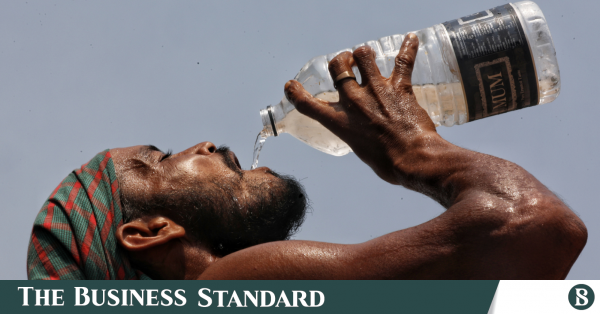
As the climate crisis escalates, Bangladesh faces a critical challenge in tackling the intensifying heatwaves in urban, peri-urban, and rural areas, undermining health, agricultural productivity, and economic stability.
With the upcoming 30th Conference of Parties (COP30) scheduled to take place in November 2025 in Brazil, it is essential for least developed countries (LDCs) like Bangladesh to address this emerging heat emergency by taking pragmatic and swift climate action.
The urgency is compounded by the fact that heatwaves are no longer seasonal anomalies but recurrent disasters, demanding immediate integration into national and global climate agendas.

Bangladesh’s escalating heat crisis: A wake-Up call
The Bangladesh Meteorological Department (BMD) predicts more frequent occurrences of rising heatwaves in the coming decade, where daily temperatures are expected to surpass 35°C beyond the summer season. The intertwined crisis of rising temperatures and poor living conditions is generating severe impacts, particularly for individuals and families living below the poverty line.
For instance, informal sector workers—such as those in the ready-made garment industry—face dire conditions, including poor ventilation, inadequate water access, and minimal bathroom breaks. These challenges are exacerbated in small and medium-sized factories, where compliance with labour and safety standards is often lax. The lack of enforceable workplace cooling measures further endangers workers, leading to heat exhaustion, dehydration, and long-term health complications.
Smallholder farmers in drought-prone areas, toiling under scorching heat with limited access to drinking water, are equally vulnerable. Marginalised women bear a disproportionate burden, as extreme heat deteriorates their health, reduces productivity, and amplifies existing gender inequalities.
A 2022 report by the Bangladesh Red Crescent Society and the International Centre for Diarrhoeal Disease Research, Bangladesh (ICDDR,B) revealed that heat stress forces low-income individuals to spend an additional Tk516 annually on healthcare—a figure likely higher today due to inflation. The report also noted a loss of 3.12 hours of productivity per person during heatwaves.
Agriculture, a cornerstone of Bangladesh’s economy, is also at risk. Heat stress reduces rice yields, driving up food prices and poverty levels. Without intervention, crop failures could destabilise food security, pushing millions deeper into poverty and increasing reliance on costly imports.
Bridging the policy gap: Strengthening heat resilience in Bangladesh
While Bangladesh has made strides in climate policy, heat stress remains critically overlooked in national adaptation strategies. Integrating heat resilience into the National Adaptation Plan (NAP) is now imperative. This omission is particularly glaring given that heatwaves claim more lives annually than floods or cyclones yet receive far less policy attention.
Bangladesh can leverage international climate finance, such as the Montreal Protocol Multilateral Fund, to drive transformative adaptation. Long-term solutions demand infrastructure reforms, including revised building codes, heat-resistant design principles, and expanded green infrastructure. India’s Ahmedabad Heat Action Plan, which reduced heat-related mortality by 88%, offers a replicable model.
A multi-sectoral approach is essential. Collaboration among government ministries, NGOs, healthcare providers, and research institutions can implement capacity-building programs and awareness campaigns.
For example, urban planning must prioritise shade trees and cooling centres, while workplaces must enforce heat safety protocols. Frontline preparedness is equally critical—healthcare workers and emergency responders must be trained to manage heat-related illnesses, and a localised early-warning system should deliver timely alerts to at-risk communities.
The need for establishing a South Asian Heat Resilience Pact
Heatwaves do not respect borders, and South Asia must unite to form a regional heat resilience pact. Countries like India, Pakistan, Cambodia, Vietnam, and Bangladesh often face higher degrees and intensity of heatwaves.
A ‘South Asian Heat Resilience Pact’ could facilitate collaboration on managing these risks, integrating early warning systems, harmonising heat resilience measures and pooling resources for joint climate adaptation projects.
The Global Cooling Pledge (GCP), Global Stocktake (GST), and the way forward
The Global Cooling Pledge (GCP), introduced at COP28, commits countries to reducing cooling-related emissions by 68% by 2050.
For Bangladesh, this is a crucial opportunity to access sustainable cooling technologies and climate finance. Drawing lessons from the UAE and Brazil, Bangladesh must develop a national cooling plan that prioritises vulnerable communities, promotes energy-efficient infrastructure, and integrates climate-smart agriculture.
For instance, solar-powered cooling systems could reduce reliance on fossil fuels while providing affordable solutions for rural areas.
The Global Stocktake (GST) provides a strategic framework for Bangladesh to align its climate policies with global objectives. By incorporating GST recommendations into its Nationally Determined Contributions (NDCs), Bangladesh can ensure heat resilience becomes a core component of its climate response. Inclusive policy development, involving grassroots organisations and marginalised communities, will be key to crafting equitable and effective adaptation measures.
As Bangladesh prepares for COP30, it must champion heat resilience as a global priority. The country’s experience with climate vulnerability positions it as a leader in advocating for LDCs. By showcasing its own adaptation strategies—such as community-led cooling centres and heat-resistant crop varieties—Bangladesh can inspire similar actions worldwide. The time for incremental change has passed; only bold, coordinated action can mitigate the escalating heat crisis.
Sketch: Nishat Tasnim
“>

Sketch: Nishat Tasnim